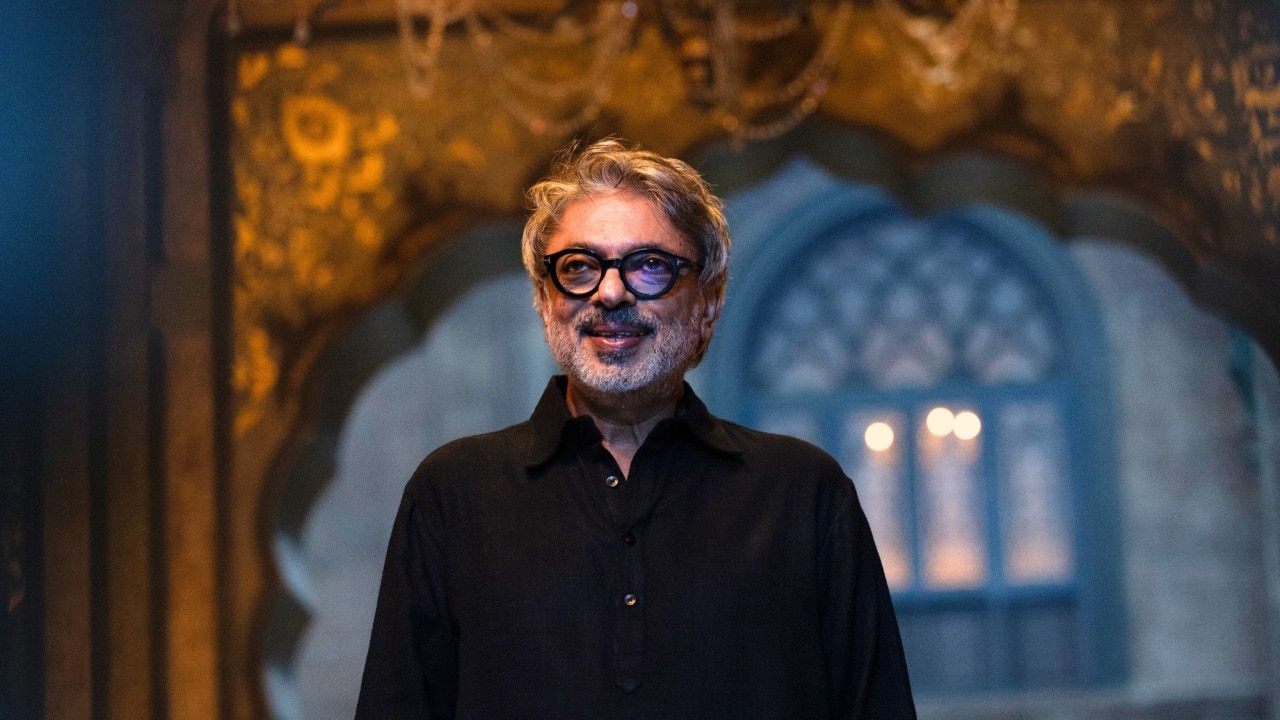
How Sanjay Leela Bhansali turned film music into his signature strength
India Today
On Sanjay Leela Bhansali's birthday, we take a closer look at how the celebrated filmmaker has quietly emerged as one of Hindi cinema's most distinctive music composers.
There are directors who understand music. And then there is Sanjay Leela Bhansali, who composes it.
As he turns a year older today, it's worth looking beyond the opulent sets and operatic storytelling that have come to define his cinema. The Bhuleshwar-born filmmaker -- who made his debut with Khamoshi in 1996 -- has long been hailed as a master of spectacle. But over the past decade and a half, Bhansali has quietly cemented another identity: That of a formidable music composer who shapes the emotional architecture of his films note by note.
In a Bhansali film, songs aren’t decorative pauses. They are narrative devices. They carry longing, conflict, sensuality and rebellion -- often more effectively than dialogue.
Bhansali first took full control of the soundtrack with Guzaarish (2010). The film itself divided audiences, but the music didn’t. Moody, restrained and steeped in aching romance, the compositions mirrored the fragility of its protagonists. Udi Sung by Shail Hada and Sunidhi Chauhan in particular lingers -- not just for the choreography, but for its haunting tonal shifts. It marked the arrival of Bhansali, the composer, not merely the director.
With Ram-Leela (2013), Bhansali leaned into scale. Drawing from Gujarati folk textures and theatrical intensity, he delivered chart-toppers like Nagada Sang Dhol sung by Osmaan Mir and Shreya Ghoshal and Laal Ishq sung by Arijit Singh-- songs that felt both rooted and cinematic.
Then came Bajirao Mastani (2015), arguably his most musically assured work. Deewani Mastani sung by Shreya Ghoshal wasn’t just a hit; it was a cultural moment. From the devotional undercurrents of Aayat sung by Arijit Singh to the classical flourish of Mohe Rang Do Laal song by Birju Maharaj and Shreya Ghoshal, the soundtrack balanced grandeur with intimacy. Few mainstream directors would risk composing intricate semi-classical pieces in a commercial epic. Bhansali did -- and audiences followed.


Alia Bhatt praised Ranveer Singh's performance in Dhurandhar: The Revenge, highlighting a powerful moment from the film.

Shilpa Shirodkar returned to Bigg Boss Telugu, calling it a 'full circle moment.' The actor visited as a guest to promote her film 'Jatadhara' and reflected on the show's impact on her life.

Deepika Padukone and Ranveer Singh stepped out for lunch amid the success of Dhurandhar: The Revenge, and a video of fans cheering the Bollywood couple is going viral.

Dhurandhar: The Revenge has received widespread reactions from Bollywood celebrities, highlighting its strong storytelling and performances. Actors like Ayushmann Khurrana, Anupam Kher, Arjun Kapoor, Rajkummar Rao, Rakul Preet Singh and Riteish Deshmukh have praised the film.


Ram Gopal Varma met Aditya Dhar and Yami Gautam, calling them a "power couple" while continuing to praise Dhurandhar: The Revenge.

Praised by Ayushmann Khurrana and Arjun Kapoor, Dhurandhar 2 continues to captivate audiences and film actors alike. Khurrana, in a detailed review, called Ranveer Singh a 'lion'.

Kannada actor-director Rishab Shetty praised Dhurandhar: The Revenge amid the Kantara mimicry row, calling it a powerful and immersive cinematic experience. Telugu star Venkatesh said it takes immense vision to bring Dhurandhar to life.

Karan Johar expressed "Dhurandhar FOMO" as he is yet to watch Dhurandhar: The Revenge. In a social media post, the filmmaker revealed why he hasn't been able to watch the film so far. Read here to know.

The emotional sibling reunion scene between Jaskirat Rangi and Jasleen Rangi in Dhurandhar 2 has won hearts, marking a strong Bollywood debut for Punjabi actor Pari Pandher.

Aditya Dhar doesn't make it easy to watch Dhurandhar: The Revenge. He lets you experience the discomfort, the silence that haunts and the screams that linger longer than you want. But at the centre of it all is India's clear policy: anti-terror, not anti-Pakistan. Consider this your spoiler warning.

Newlyweds Rashmika Mandanna and Vijay Deverakonda are winning hearts with a romantic photo from their Thailand honeymoon. The couple got married in February 2026.

Shah Rukh Khan extended heartfelt Eid greetings to his fans, wishing them peace, joy and prosperity on this festive occasion. He is gearing up for his upcoming film King, set for release in December 2026.