How Pakistan returned Operation Sindoor favour to Trump in Iran war
India Today
In 2025, Pakistan needed a face-saving exit as India pounded its air bases during Operation Sindoor. Then, it desperately reached out to the US. A year later, the US needed an exit in Iran. Pakistan provided it. A classic case of you scratch my back, and I will scratch yours.
In geopolitics, there are no free lunches. Pakistan army chief Asim Munir must have realised it after his much-publicised closed-door lunch with US President Donald Trump last year, weeks after the conflict with India. During India's Operation Sindoor, Pakistan was facing heavy losses. Key military bases were being hit. Pakistan rushed to the US, which was in contact with both sides. A ceasefire eventually followed, but only after Pakistan directly reached out to India, even as Trump loudly claimed to be the peacemaker.
Fast forward to April 8, 2026, and the ledger seems to have been balanced. With the Iran war spiralling and the US searching for a way out, Trump pushed Pakistan to help broker a ceasefire. It is a classic case of you scratch my back, and I will scratch yours. It speaks volumes about the US-Pakistan tango under Trump.
Until last year, Pakistan was widely seen as an unreliable US partner. However, in the aftermath of the three-day conflict with India following the Pahalgam terror attack, ties between Pakistan and the US have seen a drastic change.
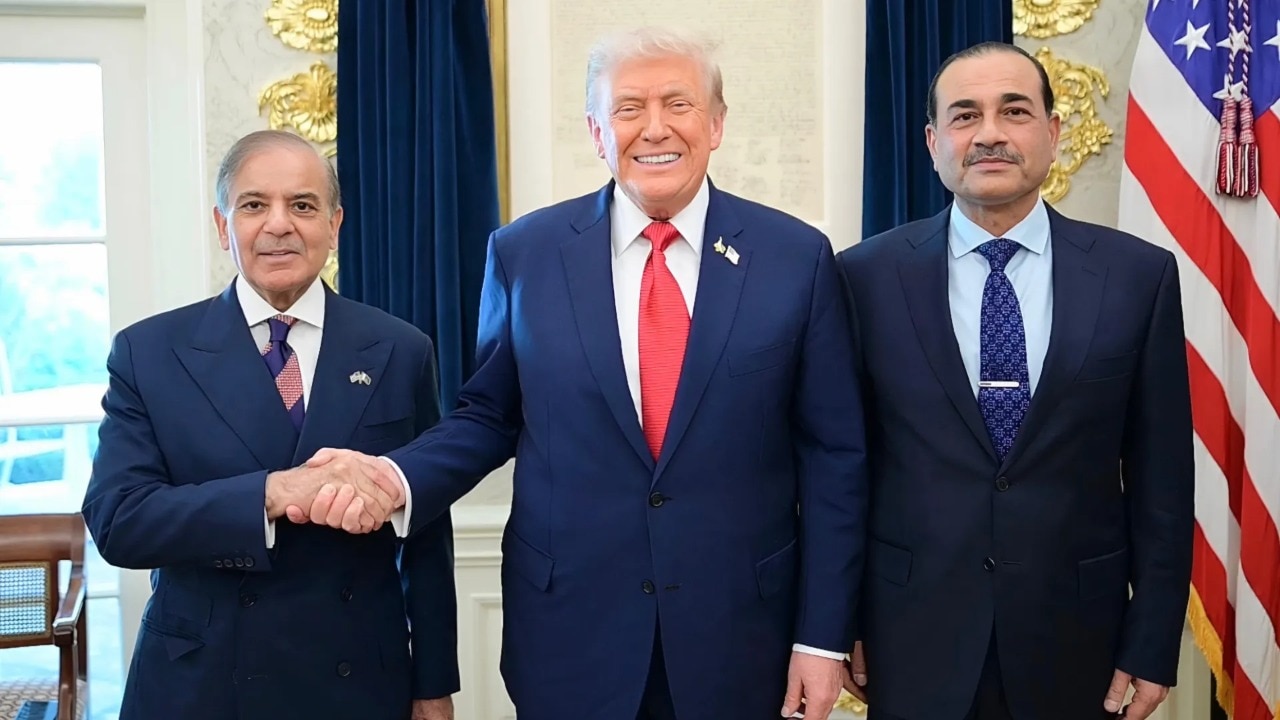
The key to it being both Pakistani Prime Minister Shehbaz Sharif and army chief Asim Munir massaging Trump's ego by engaging in over-the-top flattery.
Pakistan not only credited Trump for ending the conflict, much to the chagrin of India, but went on to propose his name for the Nobel Peace Prize. That Trump received an ignoble snub by the Nobel academy is a different matter.
In fact, US public filings revealed Pakistan's desperation to stop Operation Sindoor. Pakistan reached out to the Trump team more than 50 times over calls, emails, and in-person meetings to intervene for a ceasefire. The US played its part by reaching out to India.


Following the two-hour meeting, Rutte acknowledged strains within the alliance, describing the exchange as candid but constructive, even as divisions over the conflict with Iran came into clearer focus.

Trump sends a Vance-led team to Pakistan for US-Iran talks starting Saturday, as Washington rejects earlier Iranian proposals but signals progress after a revised plan aligned with US demands.

Iran closes Strait of Hormuz again after Israeli attacks on Lebanon kill hundreds: State media

A post shared on X sparked debate on the future of skilled manual work amid rising AI concerns after the user pointed out the high demand for blue-collar jobs.

The Trump administration leaned on Pakistan to persuade Iran to accept a pause in fighting. The proposal focused on reopening the Strait of Hormuz. Pakistan's role was to present the deal as coming from a fellow Muslim-majority state, in the hope it would be more acceptable to Tehran.

Just when you think you've seen it all on the internet, a video of a Bengali mother scolding a monkey for eating soap and offering it a potato instead will surely make you giggle.

Amid the brutal US-Israel-Iran war, violence was delivered in pastel pink. Why? Because a little girl asked the Islamic Revolutionary Guard Corps (IRGC) to "plough Tel Aviv" with a pink missile.

The pipeline rerouted about seven million barrels daily from eastern oil fields to Yanbu, bypassing exports after Iran effectively shut the Strait of Hormuz.

A passenger discovered a piece of metal in the meal provided aboard Vande Bharat sleeper train. IRCTC has responded to the viral post.


Zoho Chief Scientist Sridhar Vembu emphasised the quiet decline of villages in Tamil Nadu's Thanjavur, urging a return to rebuild communities and revive local opportunities.

Trump says US will seek zero uranium enrichment from Iran while negotiating tariff cuts and sanctions relief after ceasefire; claims parts of a broader deal already agreed.

A group of Nepali locals confronted Indian men for spitting gutka on the road and made them clean it up in a video that sparked a wider debate on civic sense.