Did White House push Pakistan to broker ceasefire before Iran deadline?
India Today
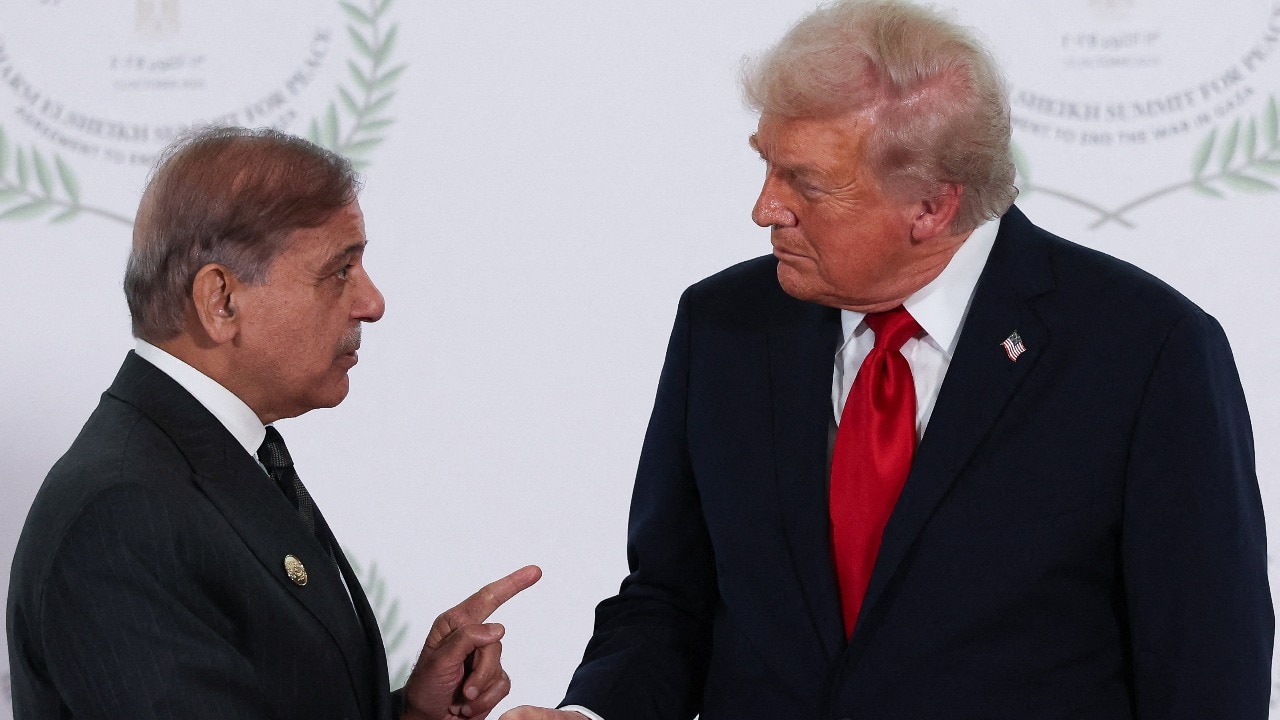
The Trump administration leaned on Pakistan to persuade Iran to accept a pause in fighting. The proposal focused on reopening the Strait of Hormuz. Pakistan's role was to present the deal as coming from a fellow Muslim-majority state, in the hope it would be more acceptable to Tehran.
Pakistan tried to present itself as a peacemaker, but the script appears to have been written elsewhere. According to a report by Financial Times, the White House pushed Islamabad to broker a temporary ceasefire with Iran.
The effort, however, has raised serious questions about Pakistan’s role -- not as a neutral broker, but as a convenient channel for Washington’s pressure campaign. Even as the US sharpened its tone against Iran, Islamabad appeared quick to step in and project itself as a mediator, while largely carrying proposals that echoed American strategic interests rather than offering any independent or balanced peace initiative.
The Trump administration leaned on Pakistan to persuade Iran to accept a pause in fighting. The proposal focused on reopening the Strait of Hormuz. Pakistan’s role was to present the deal as coming from a fellow Muslim-majority state, in the hope it would be more acceptable to Tehran.
The back-channel effort was largely steered by Pakistan’s army chief, Asim Munir, who held a series of urgent calls with the Trump administration -- including Donald Trump, Vice-President JD Vance and envoy Steve Witkoff -- as Washington scrambled to manage rising oil prices while avoiding a drawn-out conflict.
Islamabad tried to present the ceasefire push as its own diplomatic breakthrough, with Prime Minister Shehbaz Sharif even announcing the proposal on social media. But the messaging quickly backfired when his post mistakenly carried a "draft" label, exposing how rushed -- and possibly coordinated -- the announcement really was. A snapshot of Pakistani PM Shehbaz Sharif’s allegedly edited post on X.
In reality, Pakistan looked less like an independent negotiator and more like a go-between. It circulated a US-drafted 15-point proposal, passed along Iran’s responses, and floated different ceasefire timelines -- reinforcing the perception that it was acting as a conduit for Washington rather than a neutral broker.


Iran closes Strait of Hormuz again after Israeli attacks on Lebanon kill hundreds: State media

A post shared on X sparked debate on the future of skilled manual work amid rising AI concerns after the user pointed out the high demand for blue-collar jobs.

The Trump administration leaned on Pakistan to persuade Iran to accept a pause in fighting. The proposal focused on reopening the Strait of Hormuz. Pakistan's role was to present the deal as coming from a fellow Muslim-majority state, in the hope it would be more acceptable to Tehran.

Just when you think you've seen it all on the internet, a video of a Bengali mother scolding a monkey for eating soap and offering it a potato instead will surely make you giggle.

Amid the brutal US-Israel-Iran war, violence was delivered in pastel pink. Why? Because a little girl asked the Islamic Revolutionary Guard Corps (IRGC) to "plough Tel Aviv" with a pink missile.

The pipeline rerouted about seven million barrels daily from eastern oil fields to Yanbu, bypassing exports after Iran effectively shut the Strait of Hormuz.

A passenger discovered a piece of metal in the meal provided aboard Vande Bharat sleeper train. IRCTC has responded to the viral post.


Zoho Chief Scientist Sridhar Vembu emphasised the quiet decline of villages in Tamil Nadu's Thanjavur, urging a return to rebuild communities and revive local opportunities.

Trump says US will seek zero uranium enrichment from Iran while negotiating tariff cuts and sanctions relief after ceasefire; claims parts of a broader deal already agreed.

A group of Nepali locals confronted Indian men for spitting gutka on the road and made them clean it up in a video that sparked a wider debate on civic sense.


Even as the US and Iran agreed to a two-week ceasefire, sirens blared across Gulf countries for incoming missiles. Besides, Netanyahu and mediator Shehbaz Sharif gave contradictory statements on Lebanon. While the truce has been announced, the big question is: will it last?