Formula One’s radical new era: leaner and cleaner, sure; but meaner? Premium
The Hindu
Explore the transformative changes in Formula One’s 2026 season, featuring innovative engines, eco-friendly designs, and unanswered racing dynamics.
‘What we know is a drop, what we don’t know is an ocean’. It is one of the most profound sayings, delineating the limits of human knowledge. While it might be reductive to use it in the context of a professional sport where cars go around a circuit for 90 minutes, it perfectly encapsulates Formula One in 2026.
The 77th running of motor-racing’s most prestigious championship features a radical overhaul of technical regulations on both the engine and chassis fronts. Although the first three pre-season tests — one in Barcelona and two in Bahrain — have offered a glimpse of what to expect, for the first time in recent memory, everyone, from teams to fans, is entering the season with several unanswered questions.
The Hindu examines the main talking points in a primer for F1’s new era.
What’s new?
Well, a lot, to be honest! First and foremost, there is a big change in the heart of F1 — that is, the engines. Since 2014, F1 has embraced hybrid technology to make the engines more eco-friendly. The 2014 rules introduced a 1.6-litre V6 turbo-hybrid engine with an electric component of 120 kW. For 2026, that has increased threefold to 350 kW, and 50% of the car’s power will come from an electric source. This will be produced by the MGU-K component, which harvests energy from braking to recharge the battery.
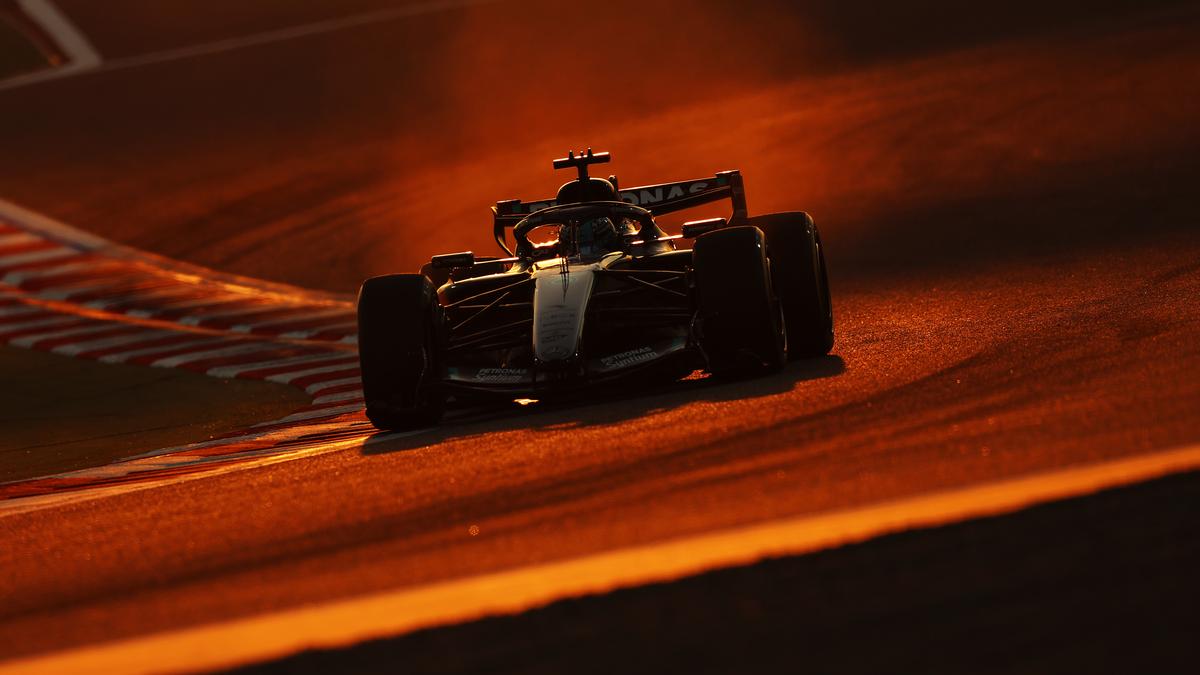
Early benchmark: Mercedes came out of the blocks strongly in testing. The widespread belief is that it might have the strongest engine package. | Photo credit: Getty Images | Photo Credit: Getty Images


CM M. K. Stalin visits the family of Venba, an eight-year-old organ donor, honoring her legacy and parents' humanitarian choice.

Nikhil Kumaraswamy emphasizes JD(S) as Karnataka's sole regional party dedicated to protecting the state's identity and interests.

The Tribal Affairs Ministry plans to revamp forest rights cells into unified project monitoring units for improved policy coordination.

Allahabad High Court grants interim protection to Swami Avimukteshwaranand in POCSO case; further hearing set for March 12.

Join the Tollywood Celebrity Cricket League in Vizag on February 28, featuring 110 celebrities and free entry for all!

Researchers warn that climate change may drastically limit habitats for the Nilgiri Wood Pigeon in the Western Ghats.

The restoration of Domakonda palace revitalizes weaving, literature, and community life, transforming it into a vibrant cultural hub.

Uncertainty surrounds Hyderabad Metro Phase I buyout amid preliminary audit gaps, impacting future expansion plans and financial viability.

Need for enhanced vigilance and stronger supervision at the branch level

ASHA workers protest in Bengaluru, demanding honorarium hike and job security ahead of the State Budget.

Farmers in Theni raise concern over decrease in sugarcane yield

Karnataka's new action plans aim to halve snakebite deaths and eliminate dog-mediated rabies fatalities by 2030, enhancing healthcare access.

Direct flights between Mangaluru and Muscat resume March 1, operated by Air India Express, enhancing connectivity for NRIs.