Commentary: Why Iran is attacking Gulf energy infrastructure
CNA
Tehran seeks to increase the costs of the war even to those who are not directly involved, says an academic.
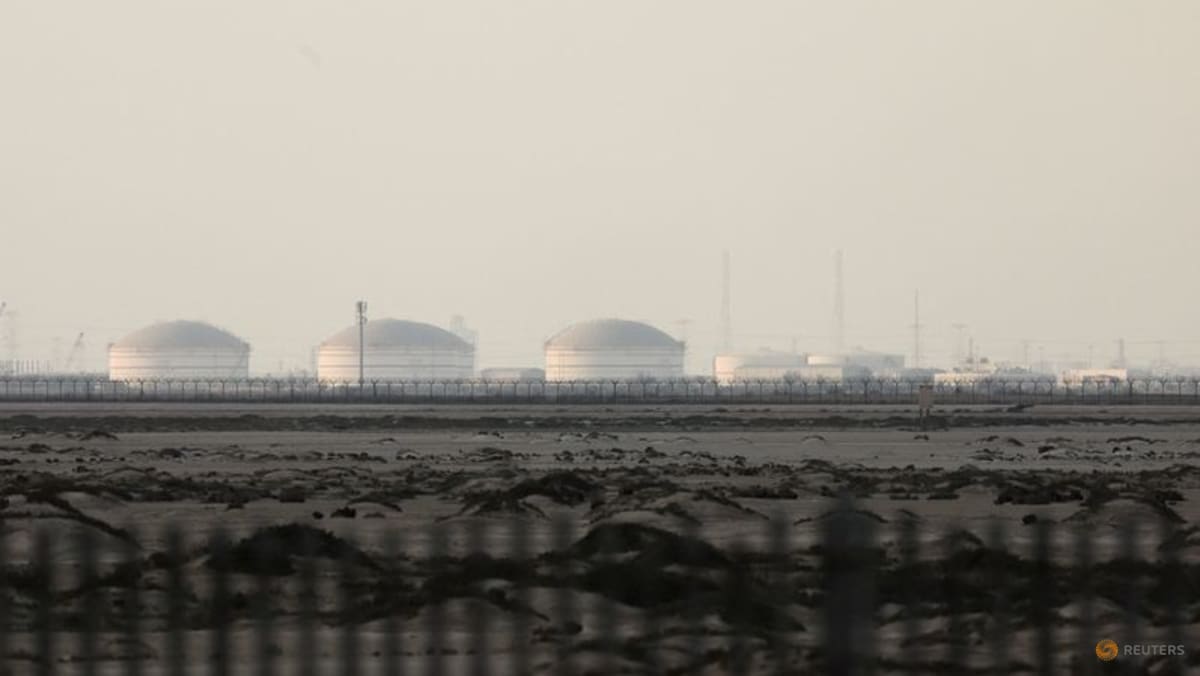
PORTSMOUTH, England: Iran targeted energy facilities across the Middle East on Mar 18, including the world’s largest liquefied natural gas hub in Qatar, in retaliation for Israeli strikes on an Iranian gas field hours earlier.
Iran has gone on to attack other energy facilities across the Gulf. This has included hitting a Saudi refinery on the Red Sea and setting two Kuwaiti oil refineries ablaze in an intensification of its campaign against energy infrastructure in the region.
As an expert on military strategy, I see the Iranian attacks on Gulf energy facilities as part of a broader strategic agenda the regime in Tehran has employed to try and ensure its survival.
Iran’s attacks on energy infrastructure since the start of the conflict have been accompanied with wider missile and drone strikes against US military bases and infrastructure in the region. Through these attacks, which have killed seven American service personnel so far, the regime has looked to demonstrate its capacity and capability not only to international audiences but also the Iranian population.
This includes, perhaps most importantly, those responsible for maintaining Iran’s internal security. If those tasked with this responsibility began to doubt the regime’s capacity to respond to attack, they might become less inclined to suppress rebellions and uprisings.


Heading to Seoul? Beyond Osoi and Stand Oil, discover seven rising Korean bag brands – from minimalist Loeuvre to roomy Christine Project – loved for their craftsmanship, style and cult appeal.

Experts say most luxury bags, watches and jewellery are high-risk and trend-driven – only select pieces hold value, and condition and demand drive resale prices

Organisations have more employee information than ever before, but still rely on out-of-date snapshots and reductive metrics, say academics.

The three-year programme supports mothers, caregivers and women with health challenges to grow viable home businesses and regain confidence.

Mediacorp artiste Zoe Tay shares why Louis Vuitton remains her forever brand, from the first Keepall she bought with her Star Search prize money to monogram favourites and deeply sentimental bags tied to family memories.The fashion forward actress shares the stories behind her most-prized pieces from the French luxury house. In partnership with Louis Vuitton.

Amid the handwringing over Singapore’s falling birth rate, little is said about the lived reality of infertility, says CNA’s Erin Low.

The Crocs x Lego Brick Clog turns the iconic toy bricks into wearable footwear. We tried the playful collaboration to see what it’s really like to wear them.

Programmable according to your preferences, AI chatbots may seem appealing — particularly in a country where one in 10 people report not having a close friend. CNA series Besties puts AI-human friendship to the test.

Beyond pregnancy check-ups, some expectant mums are exploring chiropractic care and other holistic support to manage back pain, anxiety and postpartum recovery.

Expecting people to give up air-conditioning is unrealistic, which means we must find ways to ensure that cooling our spaces does not warm the planet further, says NUS’ Khoo Teng Chye.

A family health scare pushed Cynthea Lam to rethink food choices. Years later, she founded Super Farmers and created vegan, additive-free instant noodles.

From a tiny Kuala Lumpur studio to 20 countries and K-pop fans, Joe Chia builds a slow, independent fashion universe rooted in craft, memory and intentional growth.

Before pronouncing Singapore’s impending end, let’s re-examine whether a declining population will always result in economic catastrophe, says veteran newspaper editor Han Fook Kwang.