Amid ongoing conflict, a long‑forgotten Iranian symphony finds a new audience online
The Hindu
Iranian musicians refuse to be silenced
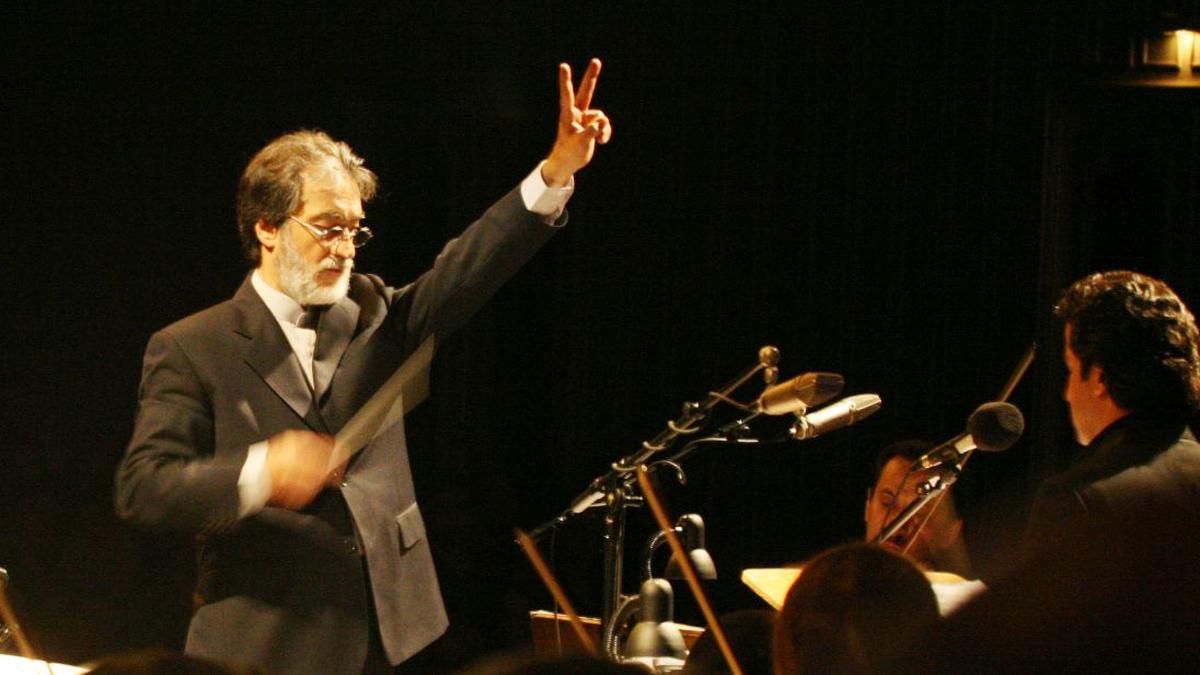
Even as Operation Epic Fury, a joint U.S.-Israel military campaign against Iran, shows no sign of letting up, another ‘Epic’ has sudddenly experienced a surge in popularity. The ‘Epic of Khorramshahr’, which has been trending on social media, particularly Instagram, from early this year, is a monumental symphonic work by Majid Entezami, one of Iran’s most influential contemporary composers. Not just the original composition, but even its remixes are being widely shared.
Follow | Iran-Israel war LIVE
Entezami crafted this work with sweeping passages of haunting rhythms, powerful melodies and dramatic crescendos in 1982, to commemorate Iran’s liberation after the Iran-Iraq war. He musically chronicled the huge loss of lives and devastation, as well as sacrifices and the spirit of survival in Khorramshahr, a city on the Iran-Iraq border. Because of its narrative quality, the composition is often referred to as a ‘symphony of storytelling’. First conducted by Entezami himself and performed by the Tehran Symphony Orchestra, ‘Epic of Khorramshahr’ was structured in four movements – Uruj (ascension), Ruyesh (flourishing), Omid (hope) and Mukavemet (resistance).
More than four decades after it was composed, this music re-emerged earlier this year during the Iranian protests, and now again amid the current conflict. Over the years, the ‘Epic of Khorramshahr’ has been embraced by Iranians as an anthem of resistance and remembrance. An Instagram post by @museumartof, an independent digital art and museum curation platform, describes it as “the grand scale of history through sound and a pillar of modern classical compositions”. The post adds that “the most enduring monuments are often built not of stone, but of melody, conviction and collective memory”.
Apart from creating over 10 deeply evocative suite symphonies in which Entezami seamlessly blends Iranian mythology and musical elements with western symphonic techniques, he has also composed scores for nearly 80 films including The Cyclist, The Glass Agency, The Fateful Day and From Kharkheh to Rhine. One reason his works are being revisited and widely discussed today is that, in times of conflict, people often seek refuge in art, which is regarded as a healer. This renewed attention also reflects a deeper truth: one of the most devastating fallouts of war is cultural disruption.
Iran’s Golestan Palace, a UNESCO world heritage site, has been severely damaged, while galleries, museums and other cultural venues have closed their doors. While Iran is globally known for its vast oil reserves, it also boasts rich artistic heritage. Its musical tradition, dating back to thousands of years, encompasses the nuanced Persian classical music known as Radif, alongside remarkably diverse regional folk styles.


BTS's comeback concert in Seoul drew over 100,000 fans, featuring their new album "ARIRANG" and a global livestream.

Khalid Rahman is reuniting with Malayalam superstar Mammootty after Unda (2019). The Thallumaala director has teamed up with the veteran for Mattancherry Mafia.

Bollywood actor Akshay Kumar paid tribute to the martial arts grandmaster and Hollywood’s action star, Chuck Norris, who passed away on Thursday, March 19, 2026.

Renowned Odissi dancer Madhumita Raut, aged 59, dies of cardiac arrest, leaving behind a legacy of artistic achievements.

Chuck Norris, iconic martial arts master and actor, dies at 86, leaving behind a legendary legacy and internet memes.

South African naturalist Steve Boyes speaks on ghost elephants, ancestral tracking, and Werner Herzog’s documentary exploring Angola’s elusive highland giants

Actor-director Amol Palekar will receive META's Lifetime Achievement award for 2026 on March 25 in New Delhi.

India's artists unite against rising censorship, advocating for creative freedom and support for marginalized voices in the arts.

Written and directed by Kunal, the film also stars Sparsh Shrivastava and Vanshika Dhir

This year, Bharatnatyam artistes will present the Tyagaraja Aradhane as a dance performance

This year, Bharatnatyam artistes will present the Tyagaraja Aradhane as a dance performance

The actor, along with director Sushant Shah, speak about their upcoming series ‘Chiraiya’, Divya’s process of working on the dialect, Sushant’s approach to telling a story about women, and more

An independent video, ‘Feel the Spark’ by Raleigh Rajan with vocals by Ciera Dumas that celebrates Tamil literary giants, garnered 1.4 million views in less than 36 hours.