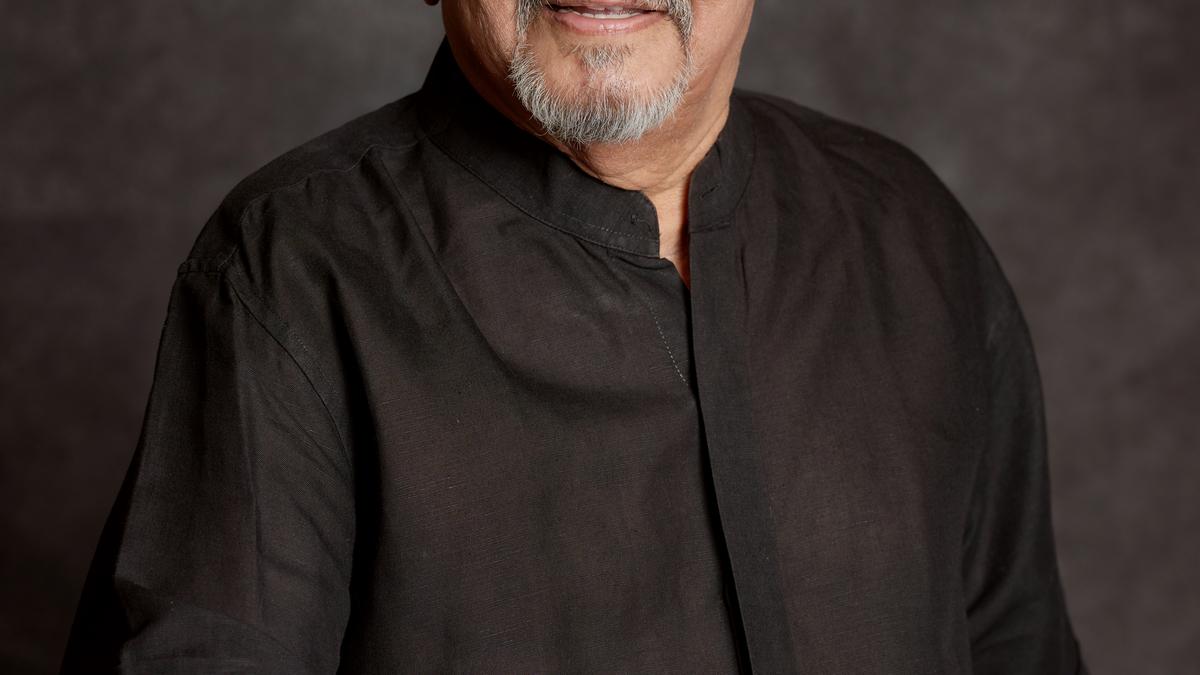
“The need to safeguard artistic freedom is more urgent than ever,” says Amol Palekar
The Hindu
Actor-director Amol Palekar will receive META's Lifetime Achievement award for 2026 on March 25 in New Delhi.
One of post-Independence India’s influential theatre figures, Amol Palekar’s experimental ethos and disciplined artistry have profoundly influenced Marathi and Hindi performance traditions.
Beginning as a fine arts postgraduate at the Sir J.J. School of Art, he engaged deeply with Marathi theatre under the mentorship of the formidable Satyadev Dubey, appearing in landmark productions such as Shantata! Court Chalu Aahe, Hayavadana, and Adhe Adhure.
In 1972, Palekar founded his own troupe, Aniket, to champion unconventional projects — directing and acting in plays such as Gochi, the procession-style Juloos and Chal Re Bhoplya Tunuk Tunuk, often staged in open spaces or non-traditional venues to disrupt passive spectatorship and bring theatre closer to everyday realities.
Preferring restraint, precision and fidelity to the written word instead of flashy improvisation, the strong advocate for free speech infused his stagecraft with a painter’s eye for composition and subtlety, qualities that later defined his naturalistic screen presence.
While Palekar’s contemporaries became prisoners of their image, he remained determined not to be typecast. In fact, he says, he wrote his memoir Viewfinder to reintroduce himself beyond the image of a boy next door or the Golmaal actor.
Preparing for one more comeback under the direction of his doughty partner Sandhya Gokhale, the veteran speaks about how his work has long embodied the abiding power of subtle revolution.


A 'Golden' moment for a K-pop track at the Oscars.

Parvathi Nayar’s new exhibition, The Primordial, in Mumbai, traces oceans, pepper and climate change
Opened on March 12, the exhibition marks the artist’s first solo show in Mumbai in nearly two decades. Known for her intricate graphite drawings and multidisciplinary practice spanning installation, photography, video, and climate change, her artistic journey has long engaged with the themes of ecology, climate change and the natural world. In this ongoing exhibition, these strands converge through a series of works centred on water, salt, and pepper — materials that carry natural and historic weight across centuries.

Explore the highlights and key winners of the 98th Academy Awards, featuring memorable moments and historic achievements from Oscars 2026.

Spring season celebrated at Ramakrishna Mission Institute, Kolkata, with ‘Evening of Basant’

The Spirit of the Land, a solo show by artist Shivakumar Sunagar, is a vista of Nature-inspired emotions

Tal Fry is all set for an exciting new performance season

Netflix is making a bold move by snagging InterPositive, the AI filmmaking company founded by Ben Affleck, in a deal that could hit $600 million

Watch the eerie trailer for 'Hokum,' where Adam Scott faces a witch haunting in a mysterious Irish inn.

Oscars 2026 security heightened amid FBI warnings of a potential Iranian drone threat ahead of the Hollywood ceremony.

Directed by Rahul Pandey, the series also stars Naila Grewal, Nidhi Bisht, Anant Joshi, Anjum Batra and Kusha Kapila

A tribute to the versatile actor and comedian V.K. Ramasamy in his birth centenary year.

‘One Piece’ Season 2 review: As the Straw Hats enter the Grand Line, Netflix’s live-action adaptation finds its sea legs with bigger islands, stranger villains and the same stretch-happy sense of boundless adventure

Geeta Gandbhir, the Indian-origin American filmmaker is waves at this year’s Oscars with not one, but two nominations. Her documentaries, ‘The Perfect Neighbor’ and ‘The Devil is Busy’ are in the race for the Academy Award