Wetland system to handle excess sewage at Jakkur Lake in Bengaluru
The Hindu
Jakkur Lake in Bengaluru implements a wetland system to effectively treat excess sewage and restore water quality.
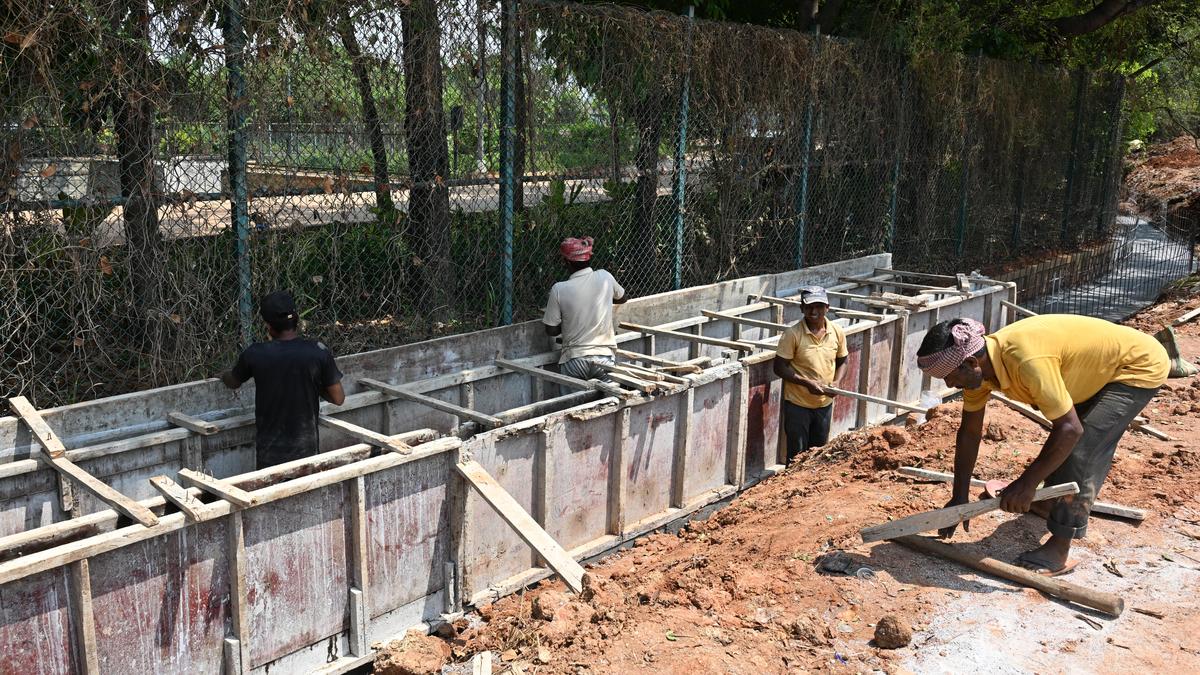
What used to enter Jakkur Lake as untreated sewage, turning parts of the water black, foul-smelling, and unfit for aquatic life, is now being cleaned through a wetland system, designed to treat excess wastewater that existing infrastructure cannot handle.
The change was made as the lake, despite having a Sewage Treatment Plant (STP), continued to receive ‘additional’ untreated sewage, especially through one of the three inlets — the northern inlet. With no immediate scope to expand the STP, North Corporation Commissioner Pommala Sunil Kumar told The Hindu that they have diverted this excess sewage into a wetland that treats the water in stages.
Akshath M.N., Assistant Executive Engineer (AEE) for Lakes, North Corporation, explained that the lake receives both treated water and untreated sewage through the storm-water drain. To manage this, the inflows were first segregated, and treated water is allowed to enter the main lake directly, while untreated sewage is diverted through the constructed wetland for further treatment.
Before the formation of the GBA, the bund remained incomplete. The bund is now fully developed, and a walkway was constructed over it. Mr. Akshath said that while an existing STP at the site has a capacity of 22 million litres per day (MLD), the volume of sewage being received exceeds this by an additional 7 to 8 MLD. This excess sewage is diverted into the wetland system.
A view of Jakkur lake in Bengaluru. | Photo Credit: ALLEN EGENUSE J.
“The wetland acts as a supplementary treatment mechanism, ensuring that the sewage passing through it undergoes natural treatment. As a result, by the time the water exits the wetland, pollution indicators such as Biological Oxygen Demand (BOD) are reduced compared to the levels at the inlet,” he added.


Join the walkathon in Puducherry to raise awareness about cervical and breast cancer and promote women's health.

A.P. CM orders crop loss report within two days following severe weather damage estimated at ₹63 crore across multiple districts.

Heavy rain continues to impact Salem and Namakkal districts, with significant rainfall causing disruptions and damage.

Unprecedented rain damages betel leaves plants in Sholavandan

Trump administration sues Harvard for failing to protect Jewish students, seeking billions in taxpayer money over alleged indifference.

CID to investigate Tumakuru man's suspicious death in police custody, announced by Home Minister G. Parameshwara.

Jakkur Lake in Bengaluru implements a wetland system to effectively treat excess sewage and restore water quality.

Food adulteration: H-FAST to target supply chain, source units in crackdown

Bengaluru's new civic budget focuses on footpath policy, fund allocation, and parking restrictions to enhance urban mobility and safety.

Farmers threaten to boycott elections over early water release stoppage in Kalingarayan Canal, risking crops and livelihoods.

BJP's B.Y. Vijayendra criticizes Congress's Budget for failing farmers and sparking discontent, citing lack of development measures.

Kannada Development Authority Chairman Purushothama Bilimale on Friday, raised concern over the lack of updated linguistic data and the growing imbalance in language policy frameworks.

India Meteorological Department has issued a thunderstorm forecast for Mancherial, Peddapalli, Jayashankar Bhupalapally, Mulugu, Bhadradri Kothagudem and Mahabubabad districts on Saturday.