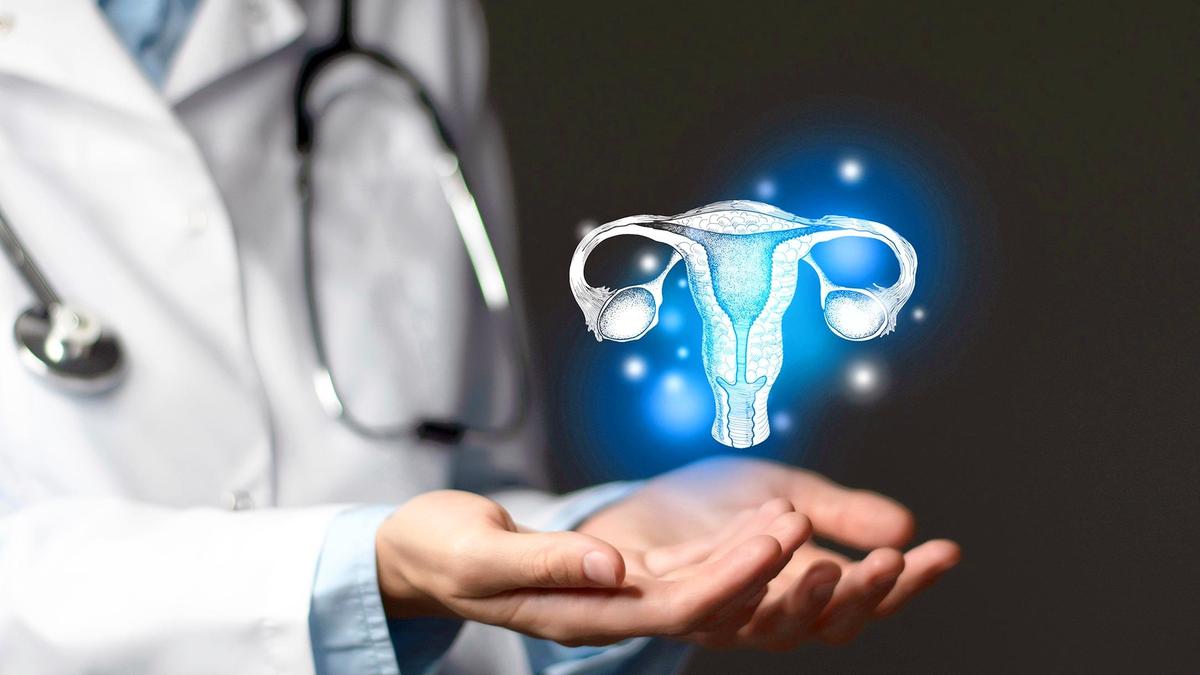
Unlocking early detection, better treatment pathways for PCOS and endometriosis using microRNAs
The Hindu
Discover how microRNAs enable early detection and personalized treatment for PCOS and endometriosis, enhancing women's health outcomes.
Two disorders caused by the dysfunction of the reproductive and endocrine system are PCOS (polycystic ovary syndrome) and endometriosis. Both are deeply linked by genetics and how our body regulates certain biological signals.
Polycystic Ovary Syndrome (PCOS) is a hormonal disorder, that affects the reproductive system in women. It leads to irregular menstruation, higher levels of the male hormone androgen, and also causes the formation of chain-like cysts in the ovaries. Delayed diagnosis of PCOS leads to clinical issues including insulin resistance, dyslipidaemia and obesity (body fat level fluctuations), and increases the risk of acquiring cardiovascular issues. In endometriosis, the endometrial tissues grow outside the uterus in other locations of the body, leading to a series of medical issues.
Courtesy, SRIHER
The main regulator in these conditions are microRNAs (miRNAs), which are small molecules that act like a bridge between PCOS and endometriosis, but on a molecular level. miRNAs are versatile biological controllers that change their behaviour based on the disease. For example, miR-146a, a commonly known microRNA can interfere and change insulin levels, affecting blood sugar and also cause weight issues in PCOS, but in endometriosis, the same microRNA promotes abnormal tissues to grow and form new blood vessels. Another group of miRNAs, the miR-200 family can disrupt the ovarian function in PCOS, while they form painful lesions in endometriosis.
By studying the expression patterns of these miRNAs in biological fluids like blood where they are found in large quantities, doctors can potentially diagnose these conditions well in advance and accurately differentiate them. This is especially important in India, where PCOS cases are significantly higher than the global average affecting 22% of females due to factors such as sedentary urban lifestyles, increased Vitamin D deficiencies and genetics.
Keeping in mind that cases of PCOS are rising rapidly, research focusing on these genetic markers can help medical professionals move from generalised treatments and towards precision medicine, using a simple minimally-invasive blood test to identify risks such as infertility or metabolic disease early and create a personalised care plan that fits a woman’s molecular profile.


Astronauts honor Reid Wiseman's late wife by naming a lunar crater "Carroll" during historic Artemis II mission.

NASA's Artemis II crew reaches the moon, approaching a historic distance record from Earth in their Orion capsule.

Inspired by Maharani Gayatri Devi the designer’s new Spring/Summer 2026 edit blends regal detailing with modern sportswear, from hand-painted jackets to embroidered suspenders

Former advertising man Mohan Menon’s new novel takes its protagonists across Kolkata in search of a ninja who enables people to satisfy their bloodthirsty whims

Discover how microRNAs enable early detection and personalized treatment for PCOS and endometriosis, enhancing women's health outcomes.

A study reveals a reproducibility crisis in social sciences, with only half of analyzed research findings being reliably replicable.

ISRO's Mission MITRA in Ladakh tests astronauts' mental and physical strengths, enhancing insights for the Gaganyaan programme.

Artemis II astronauts prepare for a historic lunar flyby, aiming to capture and analyze unique lunar features during their mission.

Explore the geopolitical implications of NASA's Artemis II mission as it competes with China's lunar ambitions for space supremacy.

Explore the geopolitical implications of NASA's Artemis II mission as it competes with China's lunar ambitions for space supremacy.

Artemis II astronauts reach halfway to the Moon, with the lunar flyby milestone celebrated by mission control.

Explore how six architectural firms are transforming Indian bars with immersive designs that blend culture, storytelling, and vibrant aesthetics.

Explore how offices are transforming into boutique hotel-inspired spaces that prioritize employee experience and wellbeing.