Tuning back in time - My Radio, My Life
The Hindu
Upcoming documentary My Radio, My Life draws from the multidimensional roles, in memory and life, played by the once-ubiquitous radio
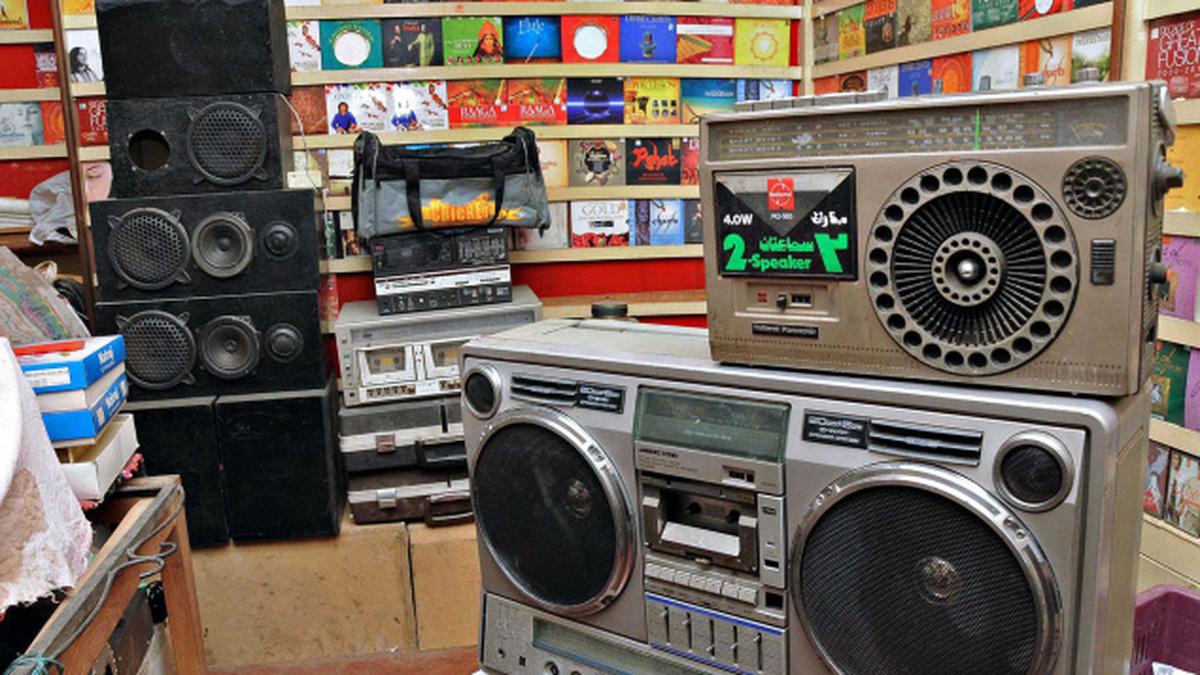
A needle spinning between cities, film photos, a wire garland around a photo of a beloved inventor— and between all the frames dripping with nostalgia, the radio, an invention that has joined the antique pile along with modern anachronisms like cassettes and VCR tapes.
The radio is the central hero of the documentary ‘My Radio, My Life’, from Timecap documentaries directed by Makarand Waikar and Bidit Roy, which received its first screening for invitees at the National Film Archives of India on February 13, 2024, a thematically apt presentation for UNESCO’s World Radio Day.
The film, which runs for an hour and eight minutes, is a throwback to a golden age of radio where it was the only form of entertainment — a middle class hero in middle class homes. The theme seems unfortunately apt as India grieves one its most recognisable voices on radio, Ameen Sayani, the much beloved host of Binaca Geetmala, who passed away on February 21, 2024, aged 91.
Nostalgia and heart are at centre of people’s memories with the radio. The research team behind the documentary, headed by Simantinee Bhagwat, sought to tap into this vein, pulling together a set of documentary subjects with three core elements— passion, emotion and nostalgia, seeking not a technical or historical approach, but a people-first one.
This approach befits the radio, a gentle presence in many people’s daily lives. As codirector and producer Makarand Waikar says during the launch “radio doesn’t intrude in your life...no one goes to the doctor saying they are addicted to radio.”
Co-director Bidit Roy calls the documentary an interesting way to look at the relationship between radio and people. His own approach is nostalgic, and he speaks fondly of how his paternal grandfather was so attached to his little transistor radio, he used to throw tantrums if its batteries radio ran out.
The film has notched best documentary awards or nominations at 80 festivals in 35 countries, but was screened last week for the first time for public invitees, and is yet to be released online.


Khalid Rahman is reuniting with Malayalam superstar Mammootty after Unda (2019). The Thallumaala director has teamed up with the veteran for Mattancherry Mafia.

Bollywood actor Akshay Kumar paid tribute to the martial arts grandmaster and Hollywood’s action star, Chuck Norris, who passed away on Thursday, March 19, 2026.

Renowned Odissi dancer Madhumita Raut, aged 59, dies of cardiac arrest, leaving behind a legacy of artistic achievements.

Chuck Norris, iconic martial arts master and actor, dies at 86, leaving behind a legendary legacy and internet memes.

South African naturalist Steve Boyes speaks on ghost elephants, ancestral tracking, and Werner Herzog’s documentary exploring Angola’s elusive highland giants

Actor-director Amol Palekar will receive META's Lifetime Achievement award for 2026 on March 25 in New Delhi.

India's artists unite against rising censorship, advocating for creative freedom and support for marginalized voices in the arts.

Written and directed by Kunal, the film also stars Sparsh Shrivastava and Vanshika Dhir

This year, Bharatnatyam artistes will present the Tyagaraja Aradhane as a dance performance

This year, Bharatnatyam artistes will present the Tyagaraja Aradhane as a dance performance

The actor, along with director Sushant Shah, speak about their upcoming series ‘Chiraiya’, Divya’s process of working on the dialect, Sushant’s approach to telling a story about women, and more

An independent video, ‘Feel the Spark’ by Raleigh Rajan with vocals by Ciera Dumas that celebrates Tamil literary giants, garnered 1.4 million views in less than 36 hours.

In ‘Jack Ryan: Ghost War’, John Krasinski is back as the savvy CIA analyst, diving headfirst into a high-stakes mission that unravels a deadly conspiracy and pits him against a rogue black-ops unit