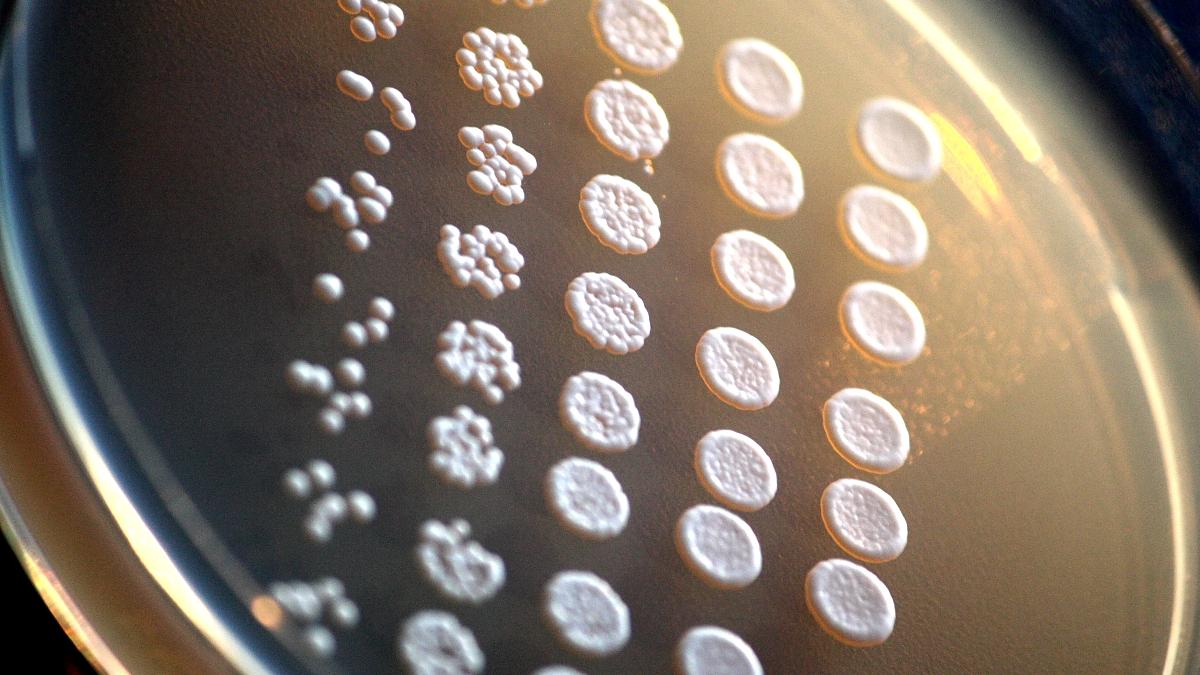
The curious case of the yeast modified to develop brain defects Premium
The Hindu
Researchers find mutations causing developmental disabilities in humans have similar effects in yeast, aiding drug testing and understanding conditions.
Researchers at Emory University and the University of Texas Health Science Centre, both in the US, have found that a class of mutations that leads to serious developmental disabilities in human babies has similar effects in budding yeast, a simpler organism. The findings represent a major step in the study of these conditions because they throw light on how they ought to be studied.
Since yeast is easy to study in labs, they also raise the possibility of quickly testing drugs to treat these conditions in yeast first.
Pontocerebellar hypoplasia type 1 (PCH1) is a serious medical condition that presents at birth. Babies born with it have impaired development of two brain regions, the pons and the cerebellum. PCH1 patients show delayed development, diffuse weakness, problems with movement, and intellectual disability. Most don’t survive beyond infancy or early childhood.
In 2012, four siblings with PCH1 type B were all found to carry mutations in a gene called EXOSC3, which encodes one protein of a multiprotein complex in cells called the RNA exosome. This provided the first example of a human disease caused by mutations affecting the RNA exosome.
The RNA exosome was discovered in 1997 in budding yeast (Saccharomyces cerevisiae). Its primary job is to process, monitor, and turnover cellular RNA.
Subsequent studies of patients with other neurological and developmental disorders uncovered mutations in many other genes related to RNA exosome proteins. These conditions are together called RNA exosomopathies.
Most RNA exosomopathies lead to brain maldevelopment. A major question in the study of these proteins is which exosomopathies lead to which form of maldevelopment.


Supreme Court affirms the public's right to critique its judgments while addressing concerns over an NCERT textbook's content.

Amit Shah reviews Manipur's security, urging the CM to tackle drug cartels and aid displaced communities after ethnic violence.

Kerala's fisherfolk urge political parties to address livelihood concerns, demanding fair pricing, rule enforcement, and better support during elections.

Moderate rainfall in Visakhapatnam brings relief but causes traffic disruptions and power outages across the city.

Shubman Gill’s Gujarat Titans banks on its tried-and-tested formula

Agriculture Ministry reviews unseasonal rains' impact, assesses farm losses, and discusses relief measures for affected farmers.

Premium petrol prices rise by ₹2 per litre, but government claims no impact on the common man amidst global oil tensions.

Kum. Veerabhadrappa’s acclaimed novel Aramane has been adapted into a television serial. Kannada channel DD Chandana (Doordarshan) has launched the serial with the same name. National Award-winning filmmaker Mansore is the director behind the project,

Diya Chitale and Manav Thakkar reach semifinals, while Yashaswini Ghorpade upsets top seed Sreeja Akula at National TT Championships.

DYFI criticizes A.P.'s job calendar for failing unemployed youth, demanding a revision to include 1 lakh posts and higher age limits.

‘Lethargic’ officials who left Chambal sanctuary to the mercy of sand miners will be held liable: SC
Supreme Court holds negligent officials accountable for enabling illegal sand mining in Chambal Sanctuary, emphasizing habitat protection laws.

Work on the Srisailam Left Bank Canal tunnel resumes after 13 months, with completion targeted by 2027-end, says Minister Reddy.

Ancient ‘Vanni’ tree at Sri Meenakshi Sundareswarar Temple tilts; steps on to restore it