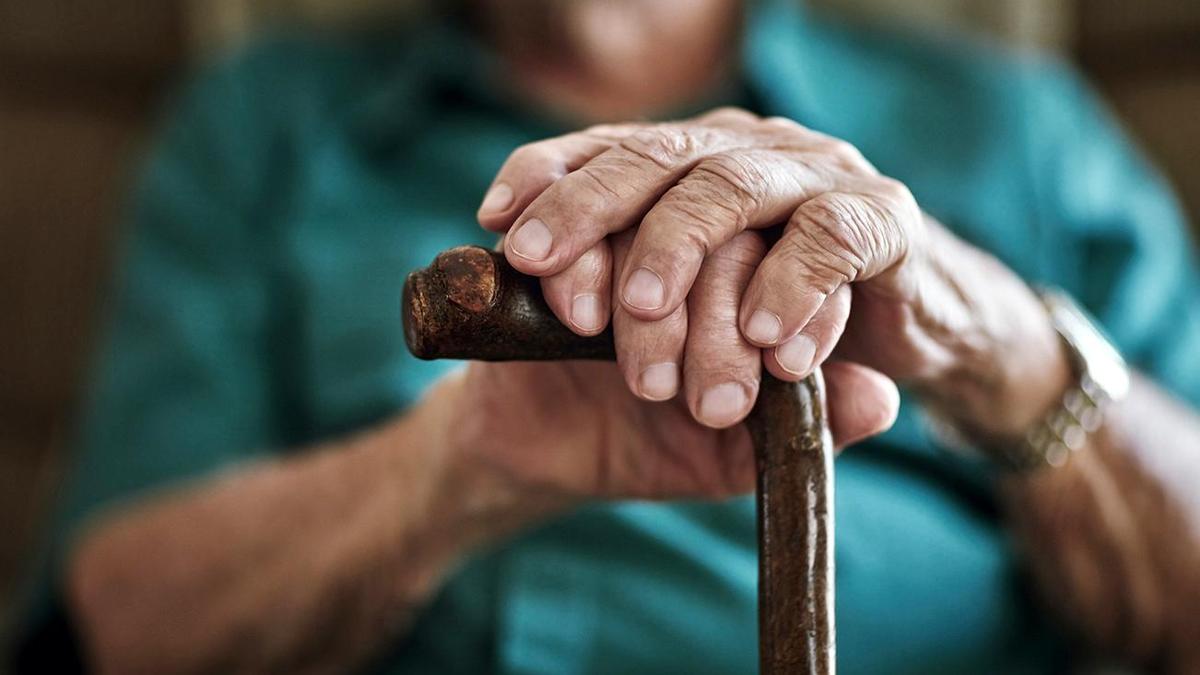
Telangana heading to join ageing States; people above 60 years rose from 10.1% to 12.5% in a decade
The Hindu
Telangana is inching towards becoming an ageing State where people over 60 years form 15% or above of total population
Telangana is slowly heading to join those categorised as ageing States in the coming few years if the observations made in a recent study are any indication.
The share of people above 60 years in the total population has been on the rise since the formation of the State. From 10.1% in 2016, population of people above 60 years has increased to 12.5% in 2026 and is likely to reach 14.5% by 2031, closer to becoming an ageing State where 15 and above per cent of the population is above 60 years.
According to the “State Finances – A study of budgets 2025-26” released by the Reserve Bank of India (RBI) recently, Telangana — which is currently in the intermediate stage insofar as its demographic profile is concerned — is likely to register 17.1% of its total population above 60 years by 2036 thus joining the ranks of Tamil Nadu and Kerala categorised as ageing States.
Population ageing becomes a dominant outcome, placing unprecedented demands on public resources while shrinking the working-age tax base that sustains them. Youthful states have a wider window of opportunity benefitting from expanding working age population and stronger revenue mobilisation. “In contrast, the window is getting narrower for the ageing States, facing fiscal pressure arising out of shrinking tax bases and rising obligations from committed expenditure,” the report said.
Along with ageing is the dependency ratio, the ratio of population aged 60 years and above relative to the working-age population between 15 and 59 years, resulting in high social sector expenditure obligations. The old age dependency ratio in Telangana has been on constant rise from 15.2% in 2016 to 18.4% during the current year and this is set to reach 21.5% in 2031 and 25.7% by 2036.
The differential fiscal pressure arising out of divergent age structure calls for forward-looking policies incorporating population dynamics and the related fiscal challenges. Going forward, intermediate States may balance growth priorities with early preparation for ageing and ageing States may enhance revenue capacity alongside healthcare, pension and workforce policy reforms.


The government plans to amend the FCRA, introducing new regulations for NGO asset management and accountability for key functionaries.

The draft policy for “Responsible Digital Use Among Students”, released on Monday by the Department of Health and Family Welfare, has recommended that parents set structured routines with clear screen-time rules and prioritise privacy, safety, and open conversation with children on digital well-being.

Police Observer Sushant Kumar Saxena conducts surprise inspection at Shencottai police station, reviewing warrants and security arrangements ahead of elections.

Andhra Pradesh government to launch key projects in April, focusing on industrial growth and infrastructure development, says Nara Lokesh.

Lok Sabha refers the Corporate Laws (Amendment) Bill to a JPC amid opposition concerns over CSR provisions dilution.

SHG members in Kanniyakumari use snakes and ladders to raise election awareness and boost voter turnout.

Government accelerates consultations for early implementation of the Women’s Reservation Act to ensure women’s representation in 2029 elections.

CM A. Revanth Reddy distributes ₹1 crore insurance cheques to families of deceased Electricity department employees, enhancing financial security for workers.

The Bengaluru Traffic Police (BTP) registered 634 cases of drunk driving during a week-long special enforcement drive conducted across the city between March 16 and March 22.

GHMC intensifies action against property tax defaulters, seizing properties and offering a One Time Settlement scheme for payments.

CCB arrests three drug peddlers in Mangaluru, seizing ₹2.5 lakh worth of MDMA and other valuables.

TVK's 28 candidates in Puducherry include former BJP MLAs, a sitting Independent, and a retired police IG.

BRS submits notice on private member bill to Speaker