Study finds lab-created antibody effective in preventing severe respiratory illness in infants
The Hindu
Monoclonal antibody 'nirsevimab' highly effective in preventing severe RSV in infants, reducing hospitalisations and ICU admissions significantly.
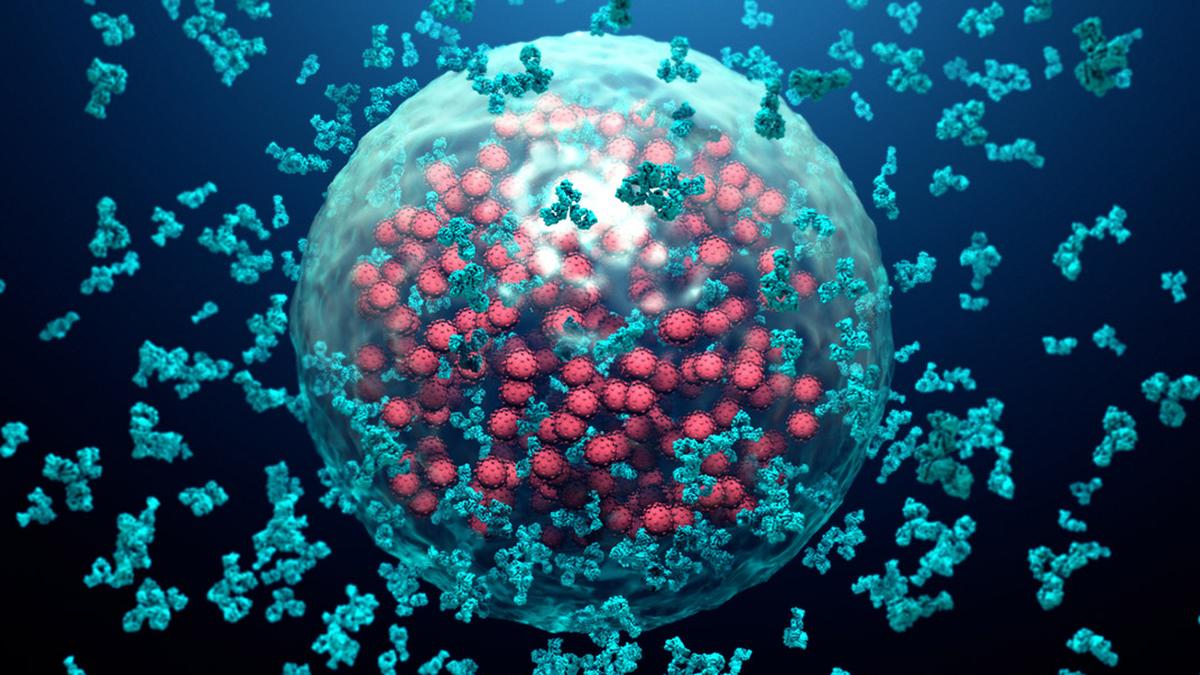
A monoclonal antibody -- a protein created in a lab which mimics the work of a natural antibody -- could be highly effective in preventing severe RSV-- Respiratory syncytial virus, a respiratory infection and major cause of serious illness in infants, according to a research.
Findings of the study, published in The Lancet Child and Adolescent Health journal, show that injecting infants with the antibody 'nirsevimab' reduces risk of RSV-related hospitalisations by 83 per cent and intensive care admissions by 81 per cent. Infant immunisation programmes could, therefore, help address the health and economic burden due to RSV in the high-risk period following birth, a team of researchers from Canada and the US said. RSV, or respiratory syncytial virus, is one of the leading causes of serious respiratory ill-health in the early years of one's life, and is usually prevalent during early winter months.
Globally, the condition is estimated to cause 36 lakh hospitalisations a year among children aged under five, according to the World Health Organization.
Nirsevimab was approved in 2023 by regulatory agencies, including the US' Food and Drug Administration and European Medicines Agency, after the lab-created antibody was found to be safe and effective in clinical trials.
Through national programmes, infants in high-income countries, such as in the US and European Union, have been injected with nirsevimab. The researchers said that efficacy of nirsevimab seen in the controlled settings of a clinical trial may not fully reflect how the lab-created antibody performs in real-world settings.
Real-world effectiveness studies are essential to evaluate the effectiveness of nirsevimab across diverse infant populations and clinical settings, the team added. For this study, the researchers analysed 27 previously published studies, which were conducted during the RSV seasons of 2023-2024 across five countries -- France, Italy, Luxembourg, Spain and the US. The team mainly focussed on infants aged under 12 months.
"Nirsevimab is highly effective in preventing RSV-related outcomes in infants, with a pooled real-world effectiveness of 83 per cent against hospitalisation, 81 per cent against ICU admission, and 75 per cent against LRTI (lower respiratory tract infections)," the authors wrote.


Members of LGBTQIA+ communities held protests across Karnataka, categorically opposing the recently proposed Transgender Persons (Protection of Rights) Amendment Bill, 2026.

Congress criticises Modi government, citing reports about Pakistan's diplomatic role amid U.S.-Iran tensions, labelling it a setback for India.

Folk music with the Barmer Boys that crosses all boundaries

Tamil comic blockbuster Thaai Kizhavi releases on JioHotstar this week, as actress Radikaa Sarathkumar rewrites rules on pay, age, and women in Tamil films

"The jury has difficulty coming to a consensus regarding one defendant, do you have any advice on how to move forward?" the jurors told Judge Carolyn Kuhl

Maharashtra relocates 25 leopards to Gujarat's Vantara facility amid rising leopard and tiger populations, says Forest Minister Naik.

Assembly polls 2026: Follow updates from The Hindu on the upcoming elections in five States on March 24, 2026

Delhi's per capita income is projected to grow 7.09% by 2025-26, highlighting the city's economic progress and infrastructure challenges.

Review meeting held in Dharmapuri with election observers and nodal officers to discuss upcoming Assembly elections.

Execution of development projects, infrastructure augmentation to occupy centre stage in electioneering

Telangana Cabinet approves Hate Speech and Parents Support Bills, ensuring accountability for neglecting elderly and curbing hate-driven offences.

EU and Australia finalize a free trade agreement and establish a new defense partnership to enhance economic and military cooperation.

U.S.-Israeli war on Iran LIVE: Iran faces deadline of US President Donald Trump warning to open Strait of Hormuz. Follow The Hindu for more LIVE updates on March 23 2026 on Iran-Israel war.