Science education, communication must involve enhanced public engagement, says expert
The Hindu
Science journalism experts emphasize the importance of understanding complex phenomena like climate change and AI for effective reporting.
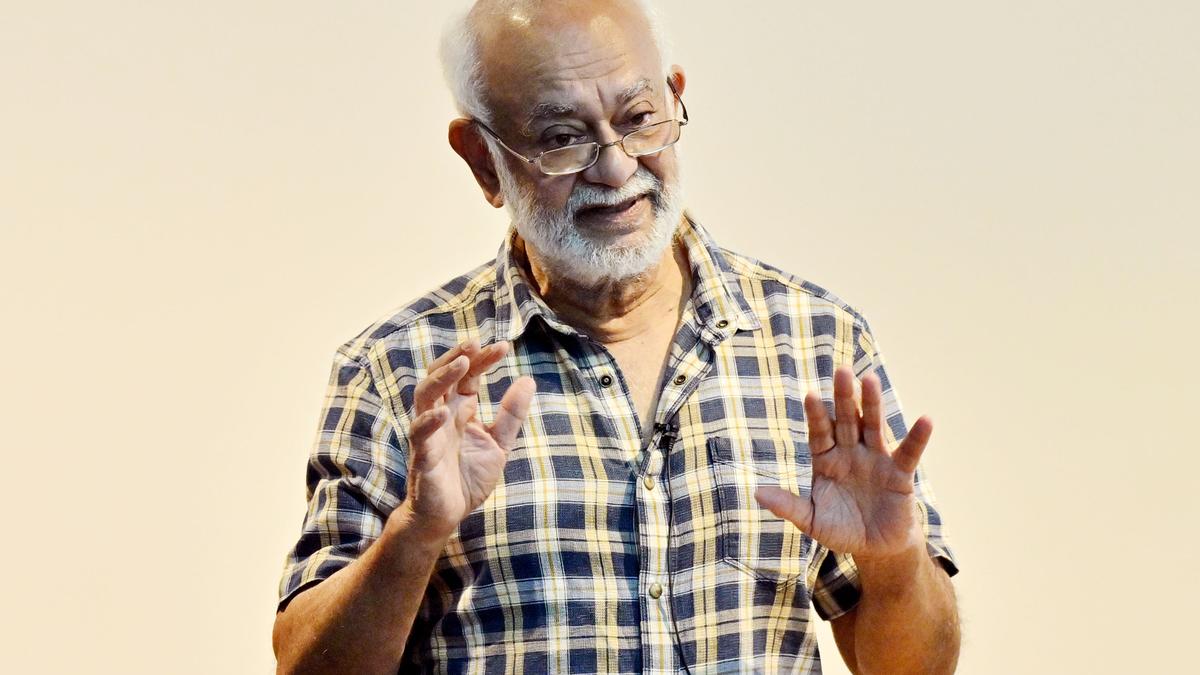
Understanding science is crucial for reporting on the effects of complex phenomena like climate change and technological advancements on society, said Dipankar Banerjee, Chairman, Centre for Study of Science, Technology, and Policy (CSTEP), a Bengaluru-based thinktank.
At a colloquium on ‘Trends and Challenges in Science Journalism’ at the Asian College of Journalism, Chennai, Mr. Banerjee said as artificial intelligence has the potential to reshape various sectors, effective journalism needs to address these aspects comprehensively, recognising the interconnectedness between technological progress and its implications on our daily lives.
Early forms of AI have developed into sophisticated systems used for tasks like speech recognition and climate prediction. The impact of AI and other technologies on society and the need for careful consideration of their funding and ethical implications, are crucial, he said.
R. Ramanujam, visiting faculty member, School of Arts and Sciences, Azim Premji University, emphasised the crucial role science plays in democratic processes and governance, highlighting the necessity of public engagement. He said that science education should mirror the scientific process and stressed the importance of involving the public in science to ensure it is prioritised on the public agenda.
Additionally, Mr. Ramanujam stressed on promoting science education and enhancing scientific literacy, among the general populace.
At the colloquium, Sashi Kumar, Chairman, Asian College of Journalism, introduced Mr. Banerjee. Srinivasan Ramani, Deputy National Editor of The Hindu, delivered a lecture on data journalism, while Ankur Paliwal, science journalist and founder of queerbeat.org, discussed crafting science stories that focus on marginalised communities.


TIMS Sanathnagar inauguration on Ugadi uncertain as construction, staffing gaps persist

Mumbai's water crisis escalates as corporators highlight irregular supply and reliance on costly private tankers amid administration neglect.

Explore the evolution of cooking fuels in Madras, from wood and coal to the rise of LPG, amid recent shortages.

Protests against the Sharavathi Pumped Storage Hydroelectric Project in the Western Ghats just got new life

51 couples take thebig plunge at Udaipur mass wedding event

A bridge collapse in Roop Nagar kills a woman; Delhi government forms a probe panel amid rising safety concerns.

Tribunal halts Colonel Purohit's retirement, pending promotion decision after his acquittal in the 2008 Malegaon blast case.

Pinarayi Vijayan launches his election campaign in Dharmadam, aiming for a third consecutive term amid tightening competition.

Delhi Speaker Vijender Gupta has written to Lieutenant-Governor Taranjit Singh Sandhu seeking directions to instal audible signals at traffic intersections across the city to ensure the safety of mobility-impaired individuals and senior citizens.

GVMC council concludes its five-year term, highlighting significant development projects and global events that enhanced Visakhapatnam's recognition.

Karnataka SC/ST Commission discusses internal reservation issues amidst confusion over reduced quotas for Scheduled Castes and Tribes.

President Droupadi Murmu serves Akshaya Patra’s 5 billionth meal, highlighting child nutrition and education at Rashtrapati Bhavan.

PM Modi and UAE President agree on ensuring safe navigation through the Strait of Hormuz amid regional tensions.