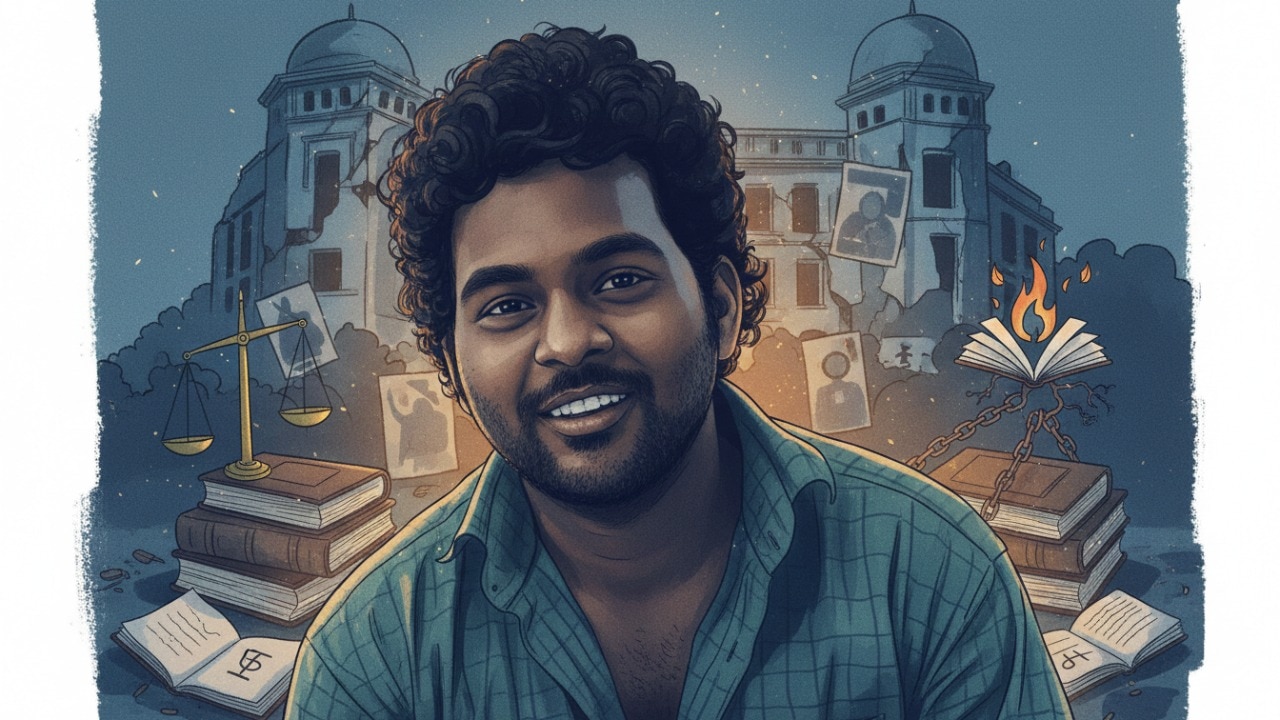
Rohit Vemula 10 years on: 10 years of probes, courts and UGC reforms
India Today
Ten years after Rohit Vemula's death at the University of Hyderabad, his case continues to shape debates on caste, discrimination and accountability in Indian higher education. From parallel probes to Supreme Court interventions, this timeline tracks how the tragedy ultimately led to stricter UGC anti-discrimination regulations in 2026.
The death of Rohit Vemula on January 17, 2016, marked a watershed moment in India's ongoing struggle with caste discrimination in higher education. A Ph.D. scholar at the University of Hyderabad, Vemula's suicide sparked a national reckoning that would reverberate through courtrooms, parliament and university campuses for the next decade.
On January 17, 2016, Rohit Vemula ended his life at the University of Hyderabad campus. His death came amid allegations of caste-based discrimination and academic marginalisation, following the university's suspension of him and four other Dalit students from hostel facilities and campus activities. His haunting suicide note, which described his birth as a "fatal accident" and lamented feeling reduced to "my immediate identity and its politics," resonated across the nation, though it did not explicitly name individuals or directly cite caste discrimination as the cause.
Within days of his death the police registered an FIR at the Gachibowli Police Station, invoking Section 306 of the Indian Penal Code (abetment to suicide) and provisions of the Scheduled Castes and Scheduled Tribes (Prevention of Atrocities) Act, 1989. The FIR named several individuals, including Union Minister Bandaru Dattatreya, University Vice-Chancellor Appa Rao Podile, and other university officials, as accused.
On January 19, 2016, the NHRC took suo motu cognizance of the case, issuing notices and conducting a campus visit. The NHRC's interim report found prima facie evidence of rights violations.
The Ministry of Human Resource Development also initiated fact-finding missions and pressured the university through multiple communications regarding internal suspension orders and conflicting reports. On January 28, 2016, the MHRD appointed a one-man judicial commission headed by Justice Ashok Kumar Roopanwal, a retired judge of the Allahabad High Court, to investigate the circumstances of Rohit's death and examine institutional caste dynamics.
Simultaneously, the Telangana state government also ordered a magisterial inquiry.


Short kurtas paired with loose pants and dupattas were a big trend in the 2000s Bollywood, and now, they seem to be catching on in the West too.

Pinterest CEO Bill Ready wants governments to ban social media for teenagers under 16, saying current platforms are harming young people's mental health and development.

Delhi is strengthening its push for UPSC success by recognising top achievers and improving support for aspirants. In a first-of-its-kind initiative, the government engaged directly with successful candidates to understand their preparation journey.

Paul McCartney's last solo album, McCartney III (2020), recorded during the pandemic, topped UK charts, marking his first solo number one since 1989, showcasing his creative freedom and personal musical expression.

ICAI CA Final January 2026 results have been declared today, March 1. Candidates who appeared for Group 1 and Group 2 exams can now check their scorecards, merit list and All India Rank holders on the official website, icai.nic.in. Direct result link is now active.

Pinterest CEO Bill Ready wants governments to ban social media for teenagers under 16, saying current platforms are harming young people's mental health and development.

Reddit is exploring biometric verification methods such as Face ID and Touch ID to ensure users are real humans, not bots, while pledging to maintain the platform's tradition of anonymity. CEO Steve Huffman said the company is planning to address the rising influence of AI-generated content and protect authentic user engagement.

Delhi is strengthening its push for UPSC success by recognising top achievers and improving support for aspirants. In a first-of-its-kind initiative, the government engaged directly with successful candidates to understand their preparation journey.

WhatsApp is reportedly working on a new privacy feature that will allow messages to automatically disappear shortly after being read. The upcoming feature, called "After reading," is expected to give users more control over their conversations, especially when sharing sensitive information.

RBSE Class 10 Result 2026 is expected to be declared soon, with students eagerly awaiting the official announcement date and time. The Rajasthan Board 10th result will be available online, making it important for students to stay updated on where and how to check their scores quickly.

In a push towards more inclusive school environments, the Central Board of Secondary Education has rolled out fresh directives on menstrual hygiene across its affiliated institutions. The move comes after a landmark ruling by the Supreme Court of India that places menstrual health within the framework of fundamental rights.

Tata Motors has introduced a more affordable dual-motor QWD variant of the Tata Harrier.ev, bringing all-wheel drive capability and strong performance to a wider audience at a lower entry price.