Review of Sandip Roy’s Chapal Rani, the Last Queen of Bengal
The Hindu
Explore Sandip Roy's captivating biography of Chapal Bhaduri, the last queen of Bengali jatra, highlighting identity and queerness.
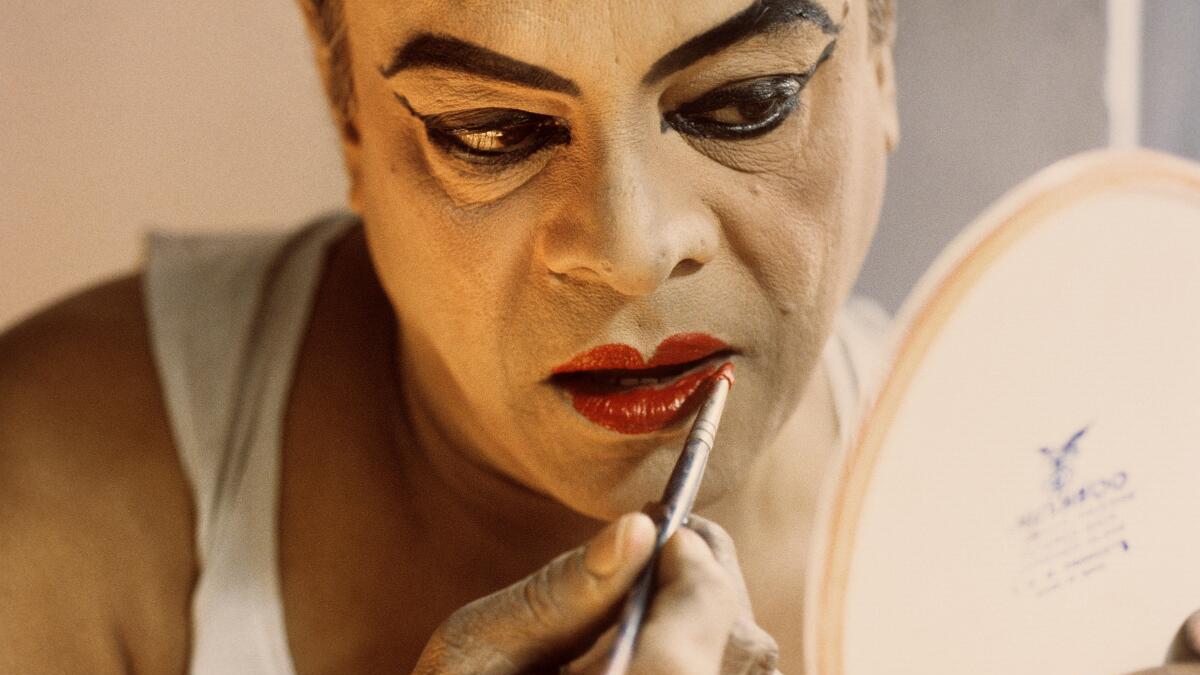
In Chapal Rani, the Last Queen of Bengal, biographer Sandip Roy explores the life and times of Chapal Bhaduri, the last great female impersonator of Bengali jatra. He opens with a rigorous introduction that establishes a clear interpretative frame. This is then gradually neutralised by a first-person voice presented as Chapal’s own, though clearly mediated and shaped by an archivist’s eye. Brief dramatised testimonials from those on the periphery of Chapal’s life interject the narrative, and there is a profusion of detail, which can at first feel unwieldy. But once the reader settles into the loose format, the result is a readable and often compelling account.
The childhood section is bookended by Rabindranath Tagore’s funeral procession, rendered with neatness through the image of a toddler spontaneously breaking into dance, and the death of Chapal’s mother, the pre-Independence stage actor, Prabha Devi. It is an origin myth formed within a powerful maternal universe of recipes, plays, performances, and theatrical lineage, and Chapal’s tentative steps into performing as a female entity on stage.
Once this is established, Roy attempts to sketch a hazy lineage of female impersonators, though it operates more through succession than influence. Chapal himself does not consciously inherit this hierarchy: his most formative model is his mother, whose femininity he observed and absorbed. This becomes evident at his debut in a leading role in Chand Bibi, when an ageing performer who had once played the part urges him to “do him proud.” Chapal receives the appeal with open scorn. This ethos is sharpened by small, unsparing reversals, as when Chapal, once mistreated by the ‘queen’ he replaced, later replicates that cruelty; elsewhere, a veteran reduced to the comic role of a milkmaid patiently learns, alone, to fashion a pot that’ll balance on his head.
Roy builds this world incrementally with archival discipline. What passes between impersonators, he appears to suggest, is not tradition or solidarity but cold technique — how to perform an ersatz femininity that can be learned but not owned. Offstage, these men shared rooms with other male actors, and moved through life without a protected space for their femininity. Chapal’s success in women-centric productions placed him in implicit competition with male stars in a way unavailable to female leads.
The world of jatra whirs in the background, accumulating texture as Roy inserts excerpts from landmark plays. Though framed as scenes Chapal remembers by heart, the method reveals an instinct to gather these fragments and scatter them headlong into the narrative stream. This mirrors Chapal’s adult entry into performance as Morjina in Ali Baba, thrust onstage with the rebuke that the scene is “flowing by.”
Roy treats jatra as a current within which Chapal’s life unfolds. The book does not attempt to assess the form’s excesses, aesthetics, or even its subversive possibilities; jatra simply is, carrying successes, failures, and audience devotion along with it. If anything, Roy pays homage to a form often derided with casual contempt, without attempting rehabilitation, and shielded by the omniscient first-person voice.


Vijay Sethupathi confirms collaboration with Mani Ratnam for an upcoming film.

SIDAR experts warn of a 'Connectivity Crisis' for Vizag's Bhogapuram Airport, proposing innovative solutions including a sea route for access.

Ahead of the release of his Tamil web-series ‘Muthu Engira Kaattaan’, actor Vijay Sethupathi speaks about how the project healed him, his upcoming slate including ‘Pocket Novel’ and Mani Ratnam’s next, what does success mean to him and more

Pakistan intercepts Afghan Taliban drone attacks, temporarily closes airspace, as President Zardari condemns targeting of civilians.

V.D. Satheesan asserts Congress high command will decide MPs' candidacy in Kerala Assembly elections, dismissing Sudhakaran’s Facebook post.

Telangana DCA seizes ₹2.7 lakh worth of illegally shipped erectile dysfunction tablets during a raid in Hayathnagar.

Hyderabad's Musi Riverfront project includes a 200-acre Gandhi Sarovar and the East-West corridor to enhance urban connectivity.

Amit Shah criticizes AAP's governance in Punjab, highlighting corruption and crime ahead of BJP's rally for the 2027 elections.

Lok Adalat in Guntur offers swift, affordable justice, resolving thousands of civil cases through amicable settlements.

Information on financial aid for students

Explore Sandip Roy's captivating biography of Chapal Bhaduri, the last queen of Bengali jatra, highlighting identity and queerness.

Karnataka High Court reinstates KPTCL regulations, affirming Lokayukta's role in departmental inquiries against employees after bias claims.

LPG shortage in Kerala fuels firewood demand, impacting hotels and industries amid rising prices and supply challenges.