How ultra-early epilepsy surgeries are helping children with drug-resistant seizures Premium
The Hindu
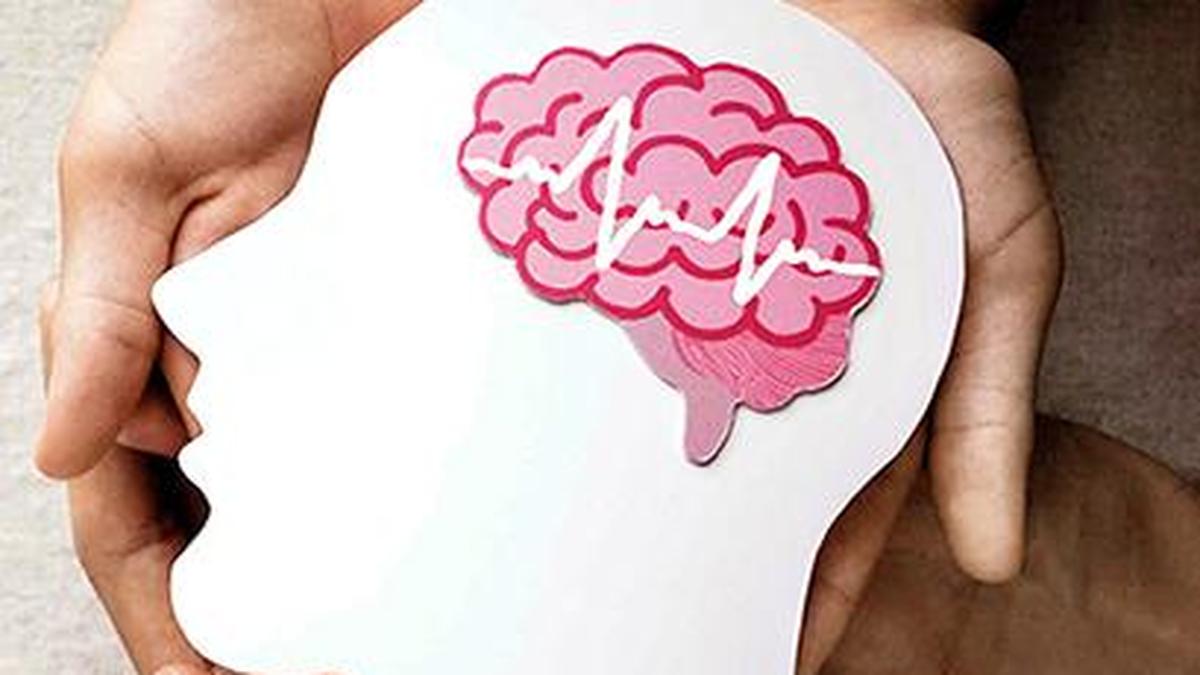
Discover how ultra-early epilepsy surgeries transform the lives of children with drug-resistant seizures, preventing long-term brain damage.
Epilepsy can be a frightening disease to witness, especially for parents of children. To watch their young ones suddenly lose consciousness and their limbs violently shake, not to mention some suffering injuries, can be devastating. .. By various estimates, about 5 lakh people are added to the epilepsy population every year in India. Most respond well to medical treatment. However, about 10 to 30% become resistant to medications.
Intractable epilepsy is typically defined as patients who continue to have seizures, despite being on at least two appropriately chosen medications for their epilepsy. Some patients continue to have seizures despite being on three or even four different anti-convulsant drugs. It is in these patients that serious consideration is given to other options, such as surgery.
Intractable epilepsy does not affect only adults: there are many children born with congenital disorders, some of whom may be predisposed to drug-resistant epilepsy from a young age.
Some patients have certain conditions that can cause drug-resistant epilepsy. One such condition is focal cortical dysplasia, which is an abnormality in the brain’s cellular organisation, in a particular region of the brain. This causes misfiring of the electrical activity, resulting in seizures. Some other patients may have low grade tumours in the brain and and may have scarring in the medial temporal lobe -- all resulting in epilepsy. These patients are grouped under the category of lesional epilepsy -- ones with an identifiable structural cause for the epilepsy. Such lesions are notorious in their tendency to not respond to medical treatment. There are other patients with no identifiable abnormality in the brain -- these are grouped under the non-lesional epilepsy category.
Modern brain surgery is extremely safe, and centres across the world are moving towards offering children epilepsy surgery from a very young age. We have all heard of the phrase ‘Time is brain’. This is especially true in infants because uncontrolled electrical activity in the brain (which is what epilepsy is), if left unchecked, can cause permanent damage to the brain’s overall development. These children can go on to have poor performance in school, some even unable to continue in one. Some are unable to walk or talk and need to be cared for continuously into adulthood. Sometimes, we even see children losing some of the development they had achieved earlier.
Epilepsy specialists across the world have now started addressing the problem at very early ages in order to take advantage of the inherent neuroplasticity of the brain. Children’s brains, especially those of infants, have excellent propensity to rewire themselves. Once the epilepsy is eliminated and even if the areas controlling important faculties of the brain such as speech have been removed, what is incredible is that speech areas may shift to another side of the brain. Therefore, operating on infants as young as few months of age can potentially change their life.


PM Modi visits Kolkata to unveil ₹18,680 crore development projects and address a rally at Brigade Parade Ground.

Shorts News:Watch: PM Modi says Congress failed to act responsibly during war situation

PM Modi criticizes Congress for creating panic and defaming India while highlighting government efforts to mitigate global conflict impacts.

Discover how ultra-early epilepsy surgeries transform the lives of children with drug-resistant seizures, preventing long-term brain damage.

Is disability inclusion in educational spaces an essential or an additional element?

Vijay Sethupathi confirms collaboration with Mani Ratnam for an upcoming film.

SIDAR experts warn of a 'Connectivity Crisis' for Vizag's Bhogapuram Airport, proposing innovative solutions including a sea route for access.

Ahead of the release of his Tamil web-series ‘Muthu Engira Kaattaan’, actor Vijay Sethupathi speaks about how the project healed him, his upcoming slate including ‘Pocket Novel’ and Mani Ratnam’s next, what does success mean to him and more

Pakistan intercepts Afghan Taliban drone attacks, temporarily closes airspace, as President Zardari condemns targeting of civilians.

V.D. Satheesan asserts Congress high command will decide MPs' candidacy in Kerala Assembly elections, dismissing Sudhakaran’s Facebook post.

Telangana DCA seizes ₹2.7 lakh worth of illegally shipped erectile dysfunction tablets during a raid in Hayathnagar.

Hyderabad's Musi Riverfront project includes a 200-acre Gandhi Sarovar and the East-West corridor to enhance urban connectivity.

Amit Shah criticizes AAP's governance in Punjab, highlighting corruption and crime ahead of BJP's rally for the 2027 elections.