Research shows India can shorten tuberculosis treatment Premium
The Hindu
Recent studies have found that the length of time tuberculosis patients need to stay on their regimen can be reduced from six to four months. India however is yet to implement any policy that takes advantage of this option, even as its goal to eliminate TB by 2025 approaches the deadline.
Tuberculosis is a dreadful disease with a high mortality, and has consistently been a global health concern. India accounts for around 27% of TB cases worldwide – which is the world’s highest country-wise TB burden – thanks in part to its population of 1.3 billion.
In the last decade, the National Tuberculosis Elimination Programme (NTEP), along with the private sector, has successfully found and treated 17.14 million people with TB, including an estimated 1.4 million children. However, the COVID-19 pandemic adversely affected TB care and has threatened to reverse the gains made in reducing India’s burden. Additionally, the growing problem of drug-resistant TB also threatens the progress we have made in basic disease management.
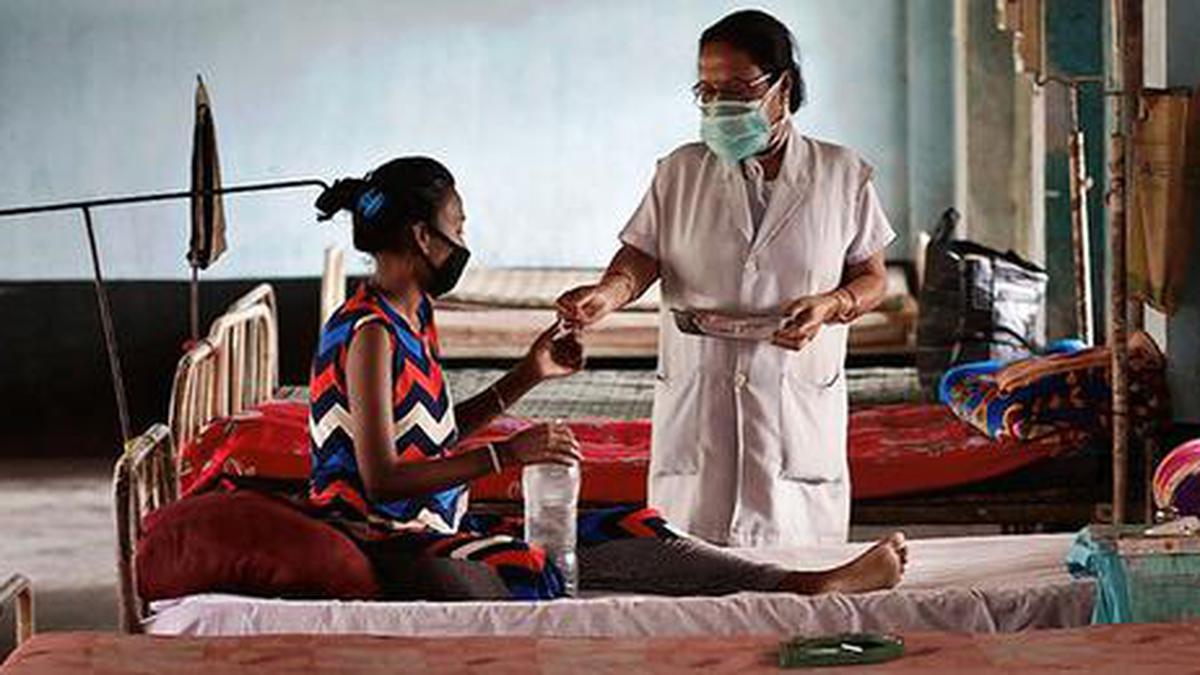
TB is curable but treatment is challenging. For drug-sensitive TB, a patient must take the medication for six months, and this is a long period for most people. The treatment also includes three or four drugs that can have side effects and are also difficult to swallow at times.
This is particularly difficult when the patients in question are children, who need to abide by a fixed drug regimen under the NTEP. The size and the taste of the tablet are not child-friendly. The NTEP presently recommends a daily dose of medicines under direct observation for six months, which can be tiring for families as well.
It is not surprising that many paediatric as well as adult TB patients discontinue taking treatment due to its long duration and side effects. Sometimes, they feel better and assume that completing treatment is optional. This puts families and other people who are in close contact with a TB-affected person at risk of infection. Stopping treatment prematurely can also contribute to the TB bacteria becoming drug-resistant.
How can we address this issue? One critical way, especially in countries with a high TB burden like India, is to explore new treatment approaches for TB and to integrate them into national plans.
The effort to make TB medicines easier to take is underway worldwide, as well as in India. Recent studies in adults who have TB in their lungs considered using a combination of new drugs and existing ones that are currently used for other diseases. The results of these studies are promising, showing that the length of time patients need to stay on their regimen can be reduced from six months to four months.


The BMW X3 30 xDrive M Sport Pro blends sporty performance with everyday luxury, powered by a 258 hp 2.0-litre TwinPower Turbo engine and BMW’s xDrive all-wheel-drive system. With bold M Sport styling, a high-tech Curved Display running Operating System 9, advanced driver assistance features, and genuine off-road capability, the latest X3 delivers a versatile premium SUV experience that excels on city roads, highways, and beyond.

Explore the concept of 'snowball earth' and recent findings on climate variability during this ancient icy period.

A riot of capes, corsets, and carefully crafted armour took centrestage as Chennai Comic Con wrapped up at the Chennai Trade Centre, with cosplay emerging as the undisputed showstopper. From anime icons and gaming legends to beloved Indian comic characters, over 500 fans transformed the venue into a living, breathing multiverse, showcasing how Chennai’s fandom culture has evolved, placing the city on India’s pop culture map.

Warmer oceans and depleting food have affected the ubiquitous loggerhead turtle’s reproductive and migratory patterns — and even its size.

Toyota Urban Cruiser Ebella review: Explore design, range, features, ride comfort and safety of Toyota’s new electric SUV for India. Expected price ₹14–18 lakh, with up to 500 km claimed range and practical urban usability.

Explore India's potential in bio-based chemicals and enzymes, highlighting industry leaders and challenges in sustainable manufacturing.

Astronomers discover an unusual planetary system with a rocky planet formed outside its gaseous neighbors, challenging existing formation theories.

Four new astronauts arrive at the ISS to replace a crew evacuated due to a serious health issue.

Neurobehavioural therapy can transform brain connectivity in functional neurological disorders, highlighting the link between cognition, emotion, and behavior.

The centuries-long quest for synthetic diamonds, also known as lab-grown diamonds or human-made diamonds, came to an end in 1954-55. On February 15, 1955, the creation of the first synthetic diamonds were announced, and it was quickly picked-up by newspapers around the world. A.S.Ganesh tells you more about these diamonds and the man who first made it happen…

Kadhambari S. Viswanathan highlights online education's evolution and its coexistence with traditional methods at The Hindu Tech Summit 2026.

The Hindu science quiz on Charles Darwin on February 13 2026

Explore the immersive art exhibit "A Story in Red" in Fort Kochi, featuring 13 installations celebrating memory, culture, and emotion.