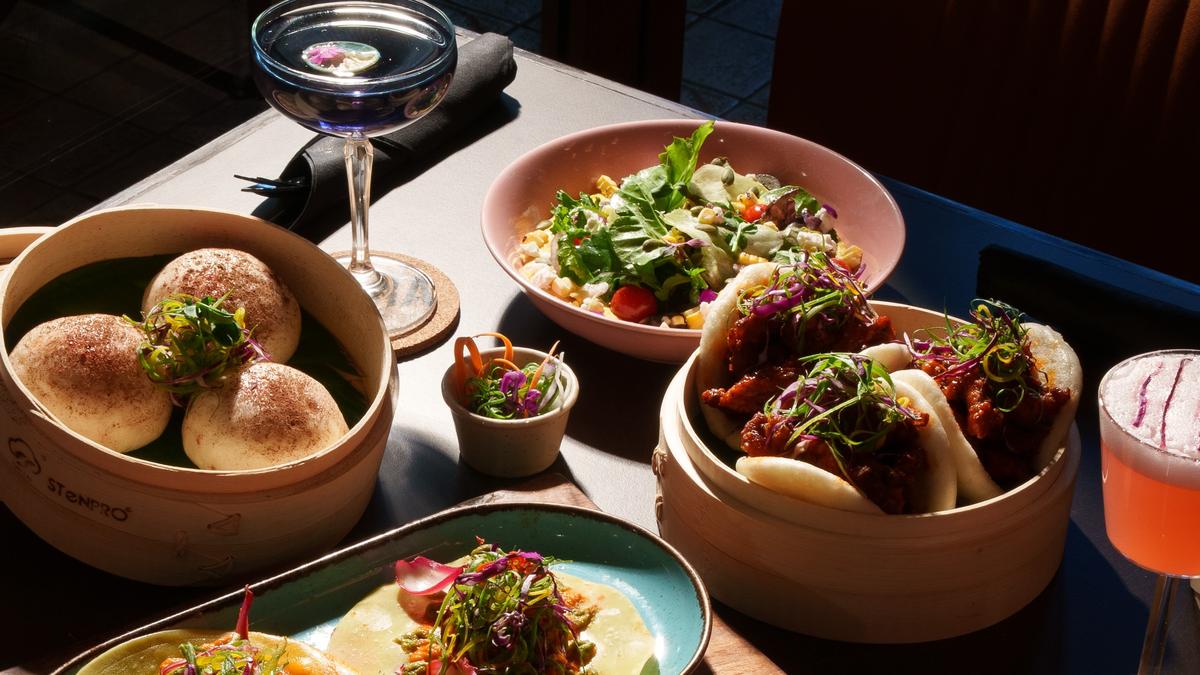
Pune’s chefs experiment with everything from Japanese to Middle Eastern cuisine
The Hindu
Pune is going through a silent food revolution, with a new breed of adventurous chefs and food entrepreneurs exploring everything from Japanese to Middle Eastern cuisine
When I decided to move to Pune after living in Mumbai for almost a decade, my friends told me that I would miss the food. But I was no stranger to Pune. I had been visiting this laidback cousin of Mumbai for a while, and I was familiar with its quiet cafes and buzzy breweries. I knew where to get the iconic Irani chai with bun maska and the hole-in-the-wall spots selling the best bhakhri mutton in town. I was sure I would find my pace and peace in all Pune offered.
That was two years ago, and I was wrong. Pune is much more than we see online or during short weekend visits.
What changed?
Post-lockdown, the city’s culinary scene is filled with new energy. Armed with new concepts and new formats, Pune is itching to beat other cities at the culinary games. Prasad Thergaonkar, co-founder of food curation platform The Hedonist, which has been bringing culinary experiences to Pune since 2020, explains, “Post lockdown, the industry was initially in recovery mode and unwilling to experiment. However, several young chefs were opening specialty outlets such as Dohiti (artisanal breads), The Pig Boss (bi-monthly popups with an exclusive pork-based menu), etc. Korean guesthouses opened to public leading to a host of K restaurants and most importantly 5-stars started doing popupsAnd it became clear that people’s tastes had changed. That’s when the bigger players also started joining in.”
One of these young chefs is Siddhi Gokhale, who along with her co-founder Brehadeesh Kumar runs Gingko, serving a crisp Japanese menu in Kothrud. Brehadeesh, who graduated in Japanese language and literature was clear about his future: either become a chef or a translator. However, after spending a year-and-a-half training at Kikunoi Honten, a centuries old 3-Michelin ryotei (Kaiseki restaurant) in Kyoto, he realised that cooking is an art form, and went on to kickstart Gingko.
Gingko is popular with the expat and international student community, and is perfect for those looking for “home-style food.” But it is not just the international crowd. “Punekars are trying new dishes, and there has been a big shift from the conservative food choices. Food delivery, affordability, and exposure to the world outside have been key in this process,” says Siddhi. “I want Indians to know and appreciate Japanese food beyond the stereotypes and look at Japanese food for what it is, a simplistic and symbolic art that’s approached complexly through science,” adds Brehadeesh.
However, it is not always about international cuisines. With successful stints at Mumbai’s The Bombay Canteen and Dubai’s Folly by Nick & Scott, Abhishek Joshi started WeIdliwale with the simple idea of dunking idlis in chicken curry just like he did at his grandmother’s house.


Celebrating diverse top talents, including visually impaired achievers, artists, and cultural icons honored with Ugadi awards.

Hyderabad Police launch H-FAST unit to monitor, detect, and prosecute food adulteration, ensuring safer food practices citywide.

Vehicles in the convoy of Puducherry Chief Minister N. Rangasamy were checked by officials of a Static Surveillance Team of the Election Commission of India at Aviyur police check post on Madurai-Thoothukudi highway on Thursday.

Decorated homes, busy temples and shared feasts mark Ugadi in Hyderabad

Housing Minister seeks ₹260 crore to develop 50 slums for Karnataka's golden jubilee, urging CSR support for infrastructure enhancement.

Congress opposes VBSA Bill, citing constitutional overreach, State power encroachment, and politicization of higher education funding.

Hyderabad Airport wins Skytrax 2026 award for Best Airport Staff in India and South Asia for the fifth time.

General and Election Expenditure Observers assumed charge in Krishnagiri to monitor election processes and expenditure across six constituencies.

A detailed analysis of Puducherry’s evolving political landscape and election trends since 2011.

CPI(M) insists on six Tamil Nadu Assembly seats, while DMK offers five, causing a stalemate in alliance talks.

Unaccounted cash, articles worth ₹13.58 lakh seized in Tirunelveli in five days

Ugadi Asthanam at Tirumala temple celebrated with rituals, Vedic recitations, floral decorations, and grand festivities honoring the Telugu new year.

Srirangam temple offers herbal buttermilk and paanakam to devotees to help them stay cool during the summer heat.