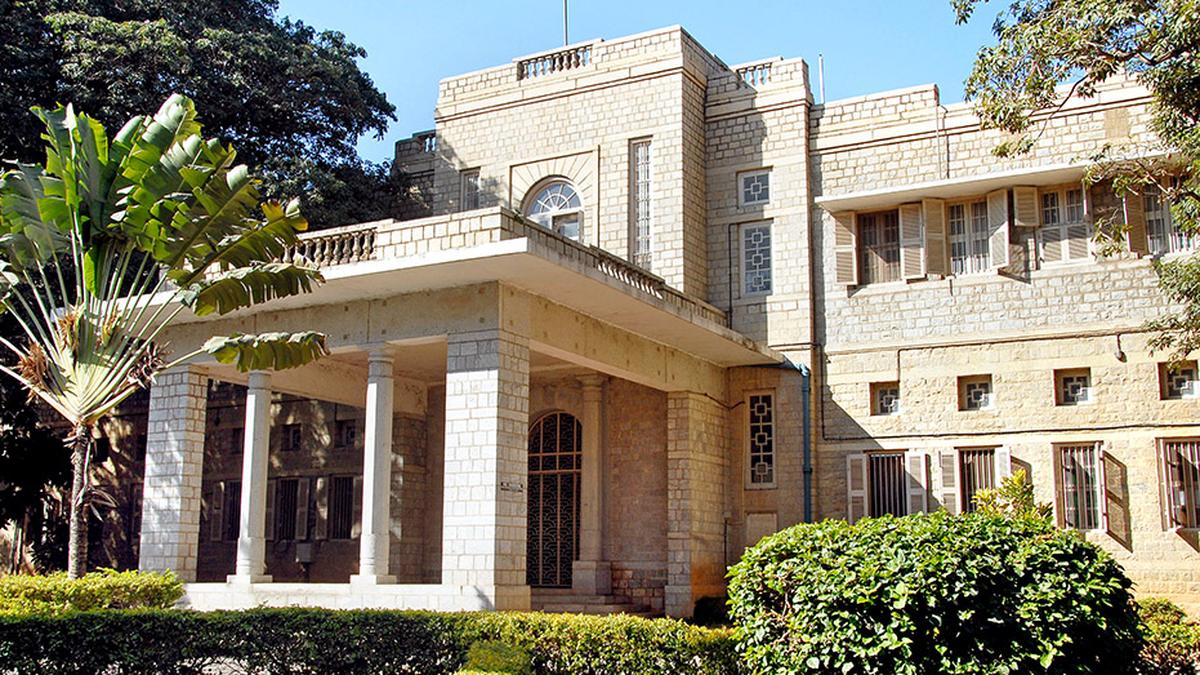
NIMHANS study illustrates use of statistical quality control methodology in stroke intervention programme
The Hindu
LSS is a widely adapted process improvement methodology in the industry, combining two quality improvement methodologies, Lean and Six Sigma. Lean involves a set of tools aimed at reducing ‘wastage’ or ‘non-value-added’ activities in the process.
A study by researchers from NIMHANS has illustrated the use of a statistical quality control methodology, known as Lean Six Sigma (LSS), in the development of an acute stroke intervention programme in the Emergency Department of the institute. The paper was recently published in the International Journal of Quality and Reliability Management.
LSS is a widely adapted process improvement methodology in the industry, combining two quality improvement methodologies, Lean and Six Sigma. Lean involves a set of tools aimed at reducing ‘wastage’ or ‘non-value-added’ activities in the process. “The adaptation of Lean methodology is intended to improve process efficiency and reduce costs,” explained P.R. Srijithesh Additional Professor of Neurology at NIMHANS, who is the lead author of the paper.
Acute ischemic stroke occurs due to sudden occlusion in brain arteries. It causes sudden onset of paralysis, facial deviation, speech, visual or balance abnormalities. If not treated on time, it will lead to permanent disability.
“Artery opening treatment (acute revascularisation) is effective if it is instituted before brain tissue gets damaged. The window of opportunity between the onset of occlusion in the artery and irreversible damage to brain tissue is quite narrow. It varies with each patient, and the first few hours are the golden hours. As time lapses, the degree of brain tissue undergoing damage increases in an exponential manner,” Dr Srijithesh told The Hindu.
“To optimally use resources, one needs to have a systematic protocol and workflow. At NIMHANS, prior to 2017, the number of acute stroke revascularisation (ASR) was limited due to multiple factors. In this study, carried out between March 2018 and March 2020, we report the application of principles and methodology of LSS in working through the issues that hindered acute stroke workflow,” the doctor said.
Pointing out that ASR increased five-fold during the study period, the doctor said that patients with favourable clinical outcomes improved to 65% of 131 patients treated.
“This study — conducted in association with the Statistical Quality Control Unit of Indian Statistical Institute — is unique in that LSS principles are used in a core area of medicine. The application of LSS is a time-consuming process. But once applied, it integrates well into the system, appearing as though it is always embedded in the system,” he said.


Residents of Tambaram express concern over inadequate infrastructure amid rapid urban growth, highlighting traffic, drainage, and waste management issues.

Explore the defining moments and developments of Tamil Nadu's 16th Assembly, marked by political confrontations and administrative innovations.

Kerala CM Pinarayi Vijayan defends his remarks on G. Sudhakaran, labeling him a 'class traitor' amid election tensions.

Social media rumors spark panic buying of petrol in Belagavi, causing long queues and temporary fuel shortages at stations.

Delhi Budget 2026 LIVE: Follow live updates from The Hindu on the Delhi state budget for 2026-27, on March 24, 2026

Shorts News:WatchNetanyahu says Trump sees chance of striking deal with Iran

The facility in New Colony will benefit over 17,000 consumers, say officials

Water pipeline leak causes traffic congestion and waterlogging in Miyapur, Hyderabad, prompting detours and delays for commuters.

VCK exits the DMK-Congress alliance in Puducherry, deciding to contest alone due to dissatisfaction with seat allocation.

Bomb threat email prompts security response at Delhi Assembly ahead of budget presentation amid concerns over Khalistan references.

"Dhurandhar: The Revenge" exemplifies how films propagate a violent nationalism, reshaping Indian identity and undermining democratic values.

BJP’s junior ally in Assam, AGP, gets the same number of seats to contest as last time, but a granular analysis reveals slipping ground

Parliament Budget Session LIVE: Follow The Hindu for the latest updates on the Budget Session on March 24, 2026.