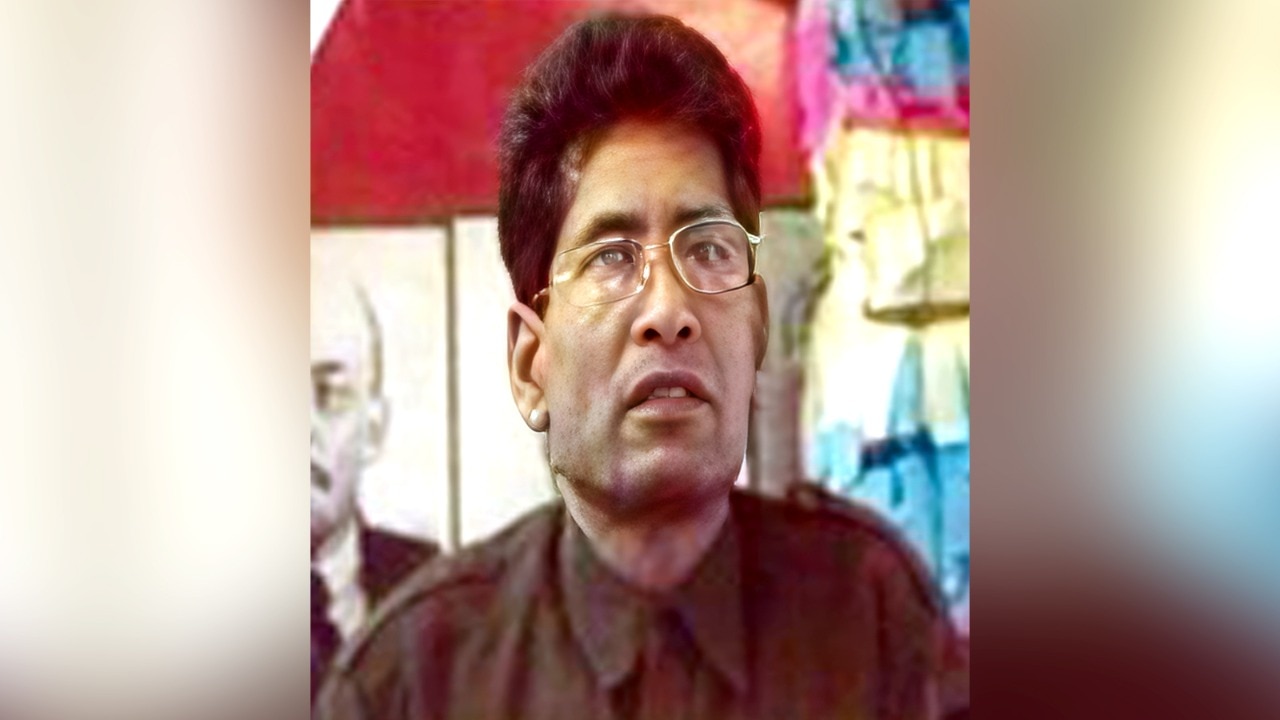
Maoist leader Ganapathy's possible surrender sparks debate over end of Naxalism
India Today
The development comes amid sustained counter-insurgency operations, recent eliminations and surrenders of top Naxal leaders, and a sharp decline in the organisation's leadership and cadre strength, particularly in the Bastar–Dandakaranya region.
Speculation over the possible surrender of senior Maoist leader Muppala Lakshmana Rao, better known as Ganapathy, has triggered intense discussions within security and political circles, with officials weighing whether such a move could signal the beginning of the end for Left-wing extremism in India.
The debate gained momentum after Union Home Minister Amit Shah said during a visit to Odisha on March 6 that the country could witness an “unprecedented” development this month in the fight against Naxalism. His remarks came nearly two weeks after senior Maoist leader Devji surrendered in Telangana, fuelling speculation that more top cadres could follow.
Ganapathy is regarded as one of the most influential figures in India’s Maoist insurgency. He spent nearly four decades underground and played a key role in shaping the ideological and strategic direction of the movement.
Having embraced Naxalite ideology in the 1970s, he rose through the ranks to become the general secretary of the Communist Party of India (Maoist) after the merger of major Maoist groups in 2004. He held the post until 2018, when he stepped down citing age and health concerns, though he remained associated with the organisation’s leadership and ideological framework.
Security agencies say Ganapathy faces more than 150 serious criminal cases across several states, including charges of murder, bomb blasts, sedition and offences under the Unlawful Activities (Prevention) Act. Authorities have announced rewards totalling around Rs 3.5 crore for information leading to his capture, including Rs 1 crore in Chhattisgarh and Rs 25 lakh in Telangana.
If confirmed, Ganapathy’s surrender would mark one of the most significant setbacks for the Maoist movement since the formation of CPI (Maoist) in 2004.


India depends on imports to meet its demand for urea, one of the most widely-used fertilisers in India.

India Today's OSINT team identified at least 22 Indian-flagged vessels operating in the Gulf region, including seven LPG carriers, seven oil tankers, four container ships, two bulk carriers, one tug and one dredger.

India on Monday said it has not held bilateral talks with the United States on deploying naval vessels to secure merchant shipping in the Strait of Hormuz. The clarification came after US President Donald Trump urged countries to send warships to keep the strategic waterway open amid tensions with Iran.

After attacking his wife, Nafees attempted suicide by inflicting injuries on himself with the same scissors. Neighbours intervened after hearing the commotion and stopped him from taking his own life.

The victim, identified as Naitik Kumar, allegedly rammed his speeding Bullet motorcycle into a scooter near Janeshwar Mishra Park in Lucknow, triggering a crash that left him dead and two others injured.

RJD MLA who skipped Bihar Rajya Sabha poll voting cites mother's illness

West Bengal Chief Minister Mamata Banerjee led a protest march in Kolkata against the alleged LPG shortage, accusing the PM Narendra Modi-led Centre of failing to ensure adequate supply.

Himayani Puri, daughter of Union Minister Hardeep Singh Puri, has moved the Delhi High Court over "false and malicious" reports linking her to convicted sex offender Jeffrey Epstein.

The family, a resident of Thyagaraju Street in Punganur town, had recently repaired the engine of their two-wheeler vehicle. A local mechanic advised the family to keep the engine running overnight to "set" the newly installed parts. However, this turned out to be fatal for the family.

The Supreme Court closed criminal proceedings against Ashoka University professor Ali Khan Mahmudabad after the Haryana government said it would not grant sanction to prosecute him over social media posts related to Operation Sindoor.

Three Congress MLAs in Bihar are reportedly out of contact as voting for five Rajya Sabha seats is underway, with the INDIA bloc and the BJP-led NDA locked in a tight contest for the fifth seat that could hinge on cross-voting.

Bunty Solanki stabbed his wife to death following a quarrel at their residence in Vadodara's Bakrawadi area. Rita died on the spot.

The girl's family members were angered over the friendship, and as a result, they called Jadhav last Saturday evening and allegedly beat him.