Late Bronze-Age hair reveals recreational drug use in Western Mediterranean Premium
The Hindu
In this week’s Science For All newsletter, Priyali Prakash explains how an analysis of late Bronze-Age hair reveals recreational drug use in the Western Mediterranean.
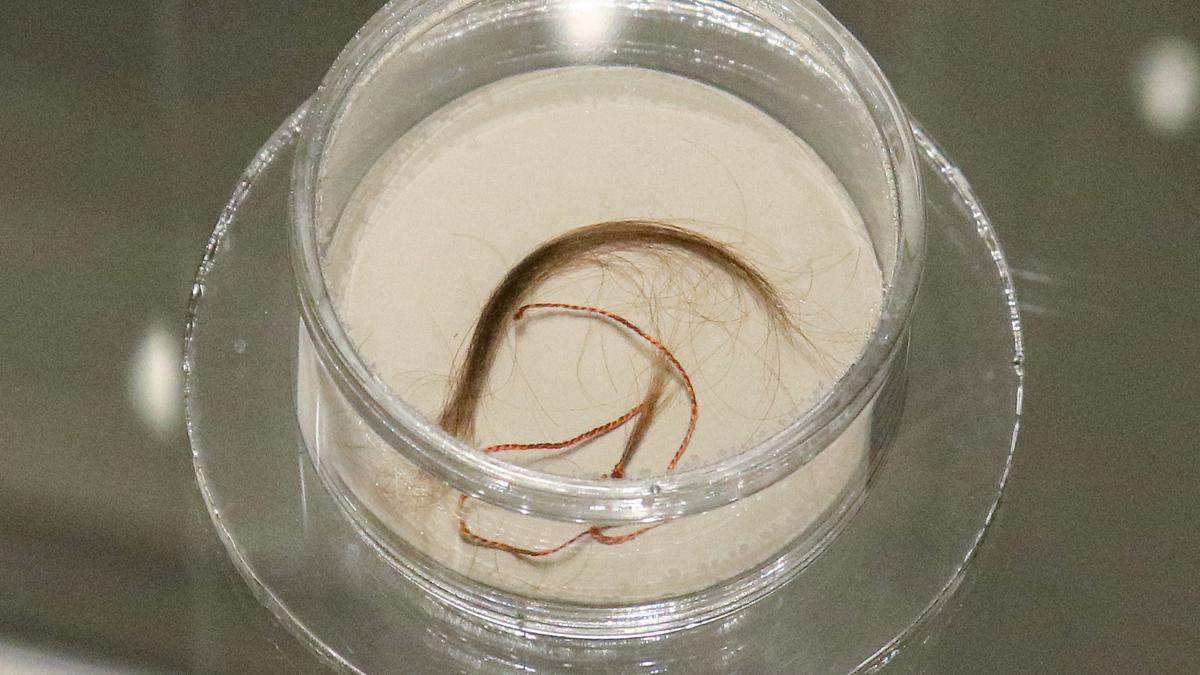
A study published on April 6, 2023, analysing hair specimens from Es Càrritx, a cave in Menorca, in the Balearic Islands of Spain, has revealed possible recreational drug use during the late Bronze Age, the oldest record of this activity in the Western Mediterranean region.
Scientists from Spain and Chile found hair strands in a single funerary site in Menorca and analysed them using an advanced technique that identifies the sample’s composition. The result of the analyses confirmed that the local communities of the Western Mediterranean island were using alkaloid-bearing plants by the beginning of the first millennium BC.
Researchers have already found evidence of human consumption of plant-based hallucinogens, psychoactive substances etc. in prehistoric times. Opium alkaloids have been detected in Late Bronze Age containers in the Eastern Mediterranean, while hallucinogenic compounds have been documented in pre-hispanic artefacts from the Americas. Psychoactive compounds of cannabis have been found in wooden braziers from China.
The new discovery of human hair from the Late Bronze Age in the Western Mediterranean provides scientists an opportunity to study its alkaloid content from as many as 3,000 years ago.
Speleologists Pere Arnau and Josep Márquez discovered the Es Càrritx site in 1995. Es Càrritx is in the Algendar ravine and is one of the most important Late Bronze Age sites on the island. According to the study, it is a type of cave that began appearing as a funerary structure – whose entrance was closed with the same type of cyclopean walls as used to build domestic boat-shaped habitational structures – around 1450 BC.
The study indicates that the hair of the deceased were treated in a similar way at the Es Càrritx cave as well as other burial sites in Menorca. The strands of hair the researchers found had been intentionally dyed at the site, presumably by other community members. Some locks of hair had been preserved in tubular wooden or antler containers.
Their analysis indicated the presence of the psychoactive plant species Datura stramonium, Hyoscyamus albus and Mandragora autumnalis in the hair. These compounds contain atropine and scopolamine. Researchers also found signs of Ephedra fragilis, which contains ephedrine.


The BMW X3 30 xDrive M Sport Pro blends sporty performance with everyday luxury, powered by a 258 hp 2.0-litre TwinPower Turbo engine and BMW’s xDrive all-wheel-drive system. With bold M Sport styling, a high-tech Curved Display running Operating System 9, advanced driver assistance features, and genuine off-road capability, the latest X3 delivers a versatile premium SUV experience that excels on city roads, highways, and beyond.

Explore the concept of 'snowball earth' and recent findings on climate variability during this ancient icy period.

A riot of capes, corsets, and carefully crafted armour took centrestage as Chennai Comic Con wrapped up at the Chennai Trade Centre, with cosplay emerging as the undisputed showstopper. From anime icons and gaming legends to beloved Indian comic characters, over 500 fans transformed the venue into a living, breathing multiverse, showcasing how Chennai’s fandom culture has evolved, placing the city on India’s pop culture map.

Warmer oceans and depleting food have affected the ubiquitous loggerhead turtle’s reproductive and migratory patterns — and even its size.

Toyota Urban Cruiser Ebella review: Explore design, range, features, ride comfort and safety of Toyota’s new electric SUV for India. Expected price ₹14–18 lakh, with up to 500 km claimed range and practical urban usability.

Explore India's potential in bio-based chemicals and enzymes, highlighting industry leaders and challenges in sustainable manufacturing.

Astronomers discover an unusual planetary system with a rocky planet formed outside its gaseous neighbors, challenging existing formation theories.

Four new astronauts arrive at the ISS to replace a crew evacuated due to a serious health issue.

Neurobehavioural therapy can transform brain connectivity in functional neurological disorders, highlighting the link between cognition, emotion, and behavior.

The centuries-long quest for synthetic diamonds, also known as lab-grown diamonds or human-made diamonds, came to an end in 1954-55. On February 15, 1955, the creation of the first synthetic diamonds were announced, and it was quickly picked-up by newspapers around the world. A.S.Ganesh tells you more about these diamonds and the man who first made it happen…

Kadhambari S. Viswanathan highlights online education's evolution and its coexistence with traditional methods at The Hindu Tech Summit 2026.

The Hindu science quiz on Charles Darwin on February 13 2026

Explore the immersive art exhibit "A Story in Red" in Fort Kochi, featuring 13 installations celebrating memory, culture, and emotion.