Karnataka’s ₹391 crore plan to dump pollution from Bengaluru on farmers in Kanakapura
The Hindu
Karnataka's ₹391 crore Byramangala reservoir revival plan fails to address the root causes of Vrishabhavati river pollution, reports Mapping Malnad.
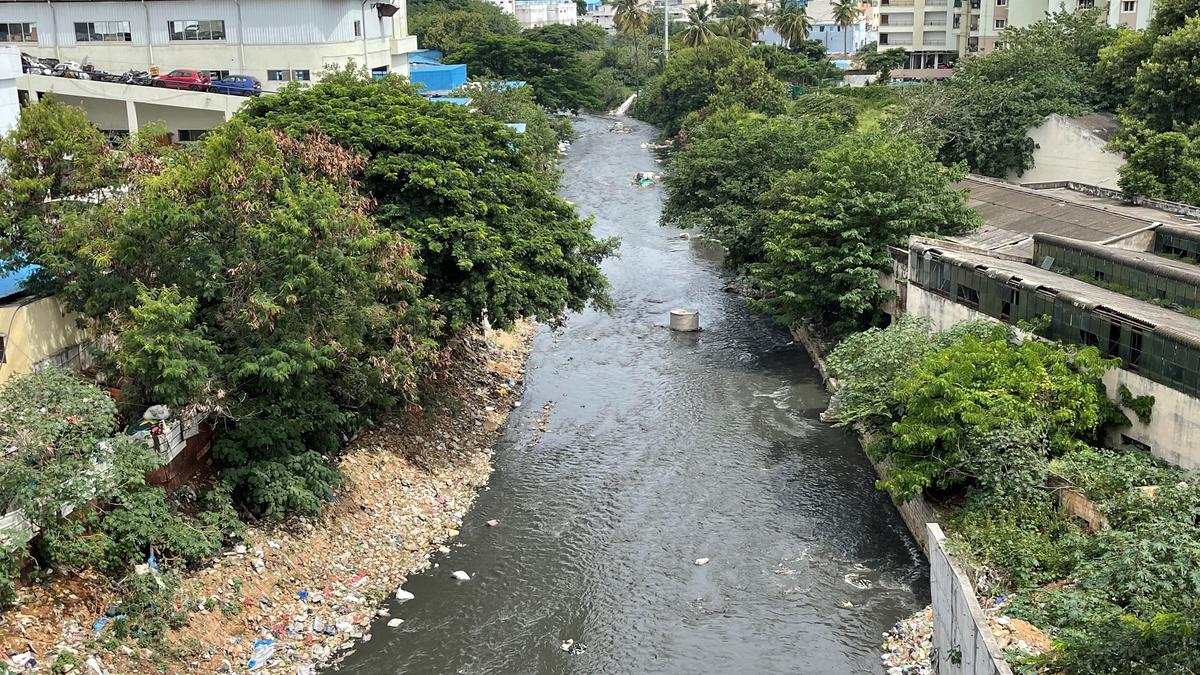
A recently released report alleges that the Karnataka government’s proposal of a ₹391 crore plan to revive the long-contaminated Byramangala reservoir reveals a fundamental disconnect from pollution reality, and fails to address the source of the pollution that has turned into a Vrishabhavati river toxic stream.
Published by Mapping Malnad, a citizen-led platform for research, advocacy and dialogue to protect the Western Ghats, the report throws light on the river’s worsening condition, and how the river’s pollutants also make their way into vegetables, feed, and even animal and human bodies, turning it into a public health crisis.
The Vrishabhavathi today is not a river in the conventional sense — it is an urban channel of waste and wastewater,” states the report.
According to the researchers, the approximately 69 km-long river collects nearly 500 MLD of toxic wastewater along with massive quantities of solid waste from urban, industrial, and rural settlements before being impounded behind the Byramangala dam near Bidadi.
In 2019, the government of Karnataka began efforts to execute a ₹110-crore project to construct a diversion weir and channel to direct water from Vrishabhavati to Arkavati river without entering the Byramangala reservoir.
Byramangala reservoir reduces the pollution load of the Vrishabhavati by naturally filtering several pollutants. The government’s diversion project would have eliminated this step. The diversion project was being pushed even as the recommendations of a 2018 CPCB report and a 2019 KSPCB Action Plan to address the root cause of the problem remained largely unimplemented.


BJD and Congress urge MLAs to stay in Bhubaneswar until March 16 amid concerns over Rajya Sabha election cross-voting.

LPG shortage leads to the closure of over 100 hotels in Kochi, with remaining eateries limiting menu options amid the crisis.

Sasikala announces her new party, All India Puratchi Thaliavar Makkal Munnetra Kazhagam

LPG shortage in Kannur threatens 40 hotels with closure, amid allegations of black marketing and soaring prices.

Hyderabad restaurants face LPG shortages, leading to temporary closures and limited menus as supply disruptions escalate.

Telangana's Civil Supplies Minister assures no LPG shortage for domestic users, with sufficient stock and measures against black marketing.

Lok Sabha adjourned amid opposition protests over LPG price hike, as Minister Rijiju criticizes Rahul Gandhi's leadership.

Activist Syed Bilal faces house arrest ahead of Telangana CM's Musi River rejuvenation presentation, prompting MJA's boycott.

Karnataka's ₹391 crore Byramangala reservoir revival plan fails to address the root causes of Vrishabhavati river pollution, reports Mapping Malnad.

Supreme Court warns that mandatory paid menstrual leave could harm women's careers while supporting voluntary initiatives for menstrual pain relief.

The LPG crisis is impacting the Malayalam film industry, threatening food supply and production schedules for ongoing movie shoots.

Sun TV Network sues Chennai Super Kings for copyright infringement over unauthorized use of songs in jersey promo for IPL.

Supreme Court addresses illegal sand mining in National Chambal Sanctuary, threatening endangered gharials and aquatic wildlife conservation efforts.