In a first, US Postal Service to add fuel surcharge amid soaring energy prices
India Today
This will be the first time in its 55-year history that the organisation will impose such a fee on its customers, signifying the rising cost of the ongoing war on US businesses.
People in the United States will have to shell out more for their packages as the US Postal Service will impose an eight per cent surcharge to cover the rising cost of fuel amid the war in West Asia.
According to a report in The Guardian, the surcharge will take effect on April 26 and remain in place until January 17, 2027. The report added that packages under Priority Mail Express, Priority Mail, USPS Ground Advantage and Parcel Select will become costlier after the surcharge.
This will be the first time in its 55-year history that the organisation will impose such a fee on its customers, signifying the rising cost of the ongoing war on US businesses.
In a statement, the US Postal Service defended its decision, blaming the hike on rising transport costs. "Our competitors have reacted with a number of surcharges. This charge is less than one-third of what our competitors charge for fuel. Even with this change, the Postal Service continues to offer great value in shipping with some of the lowest rates in the industrialised world," it said.
The organisation, which is an independent agency of the executive branch of the US government, added that the change in prices will support its ability to continue providing a "nationwide, integrated network for the delivery of mail and packages at least six days a week."
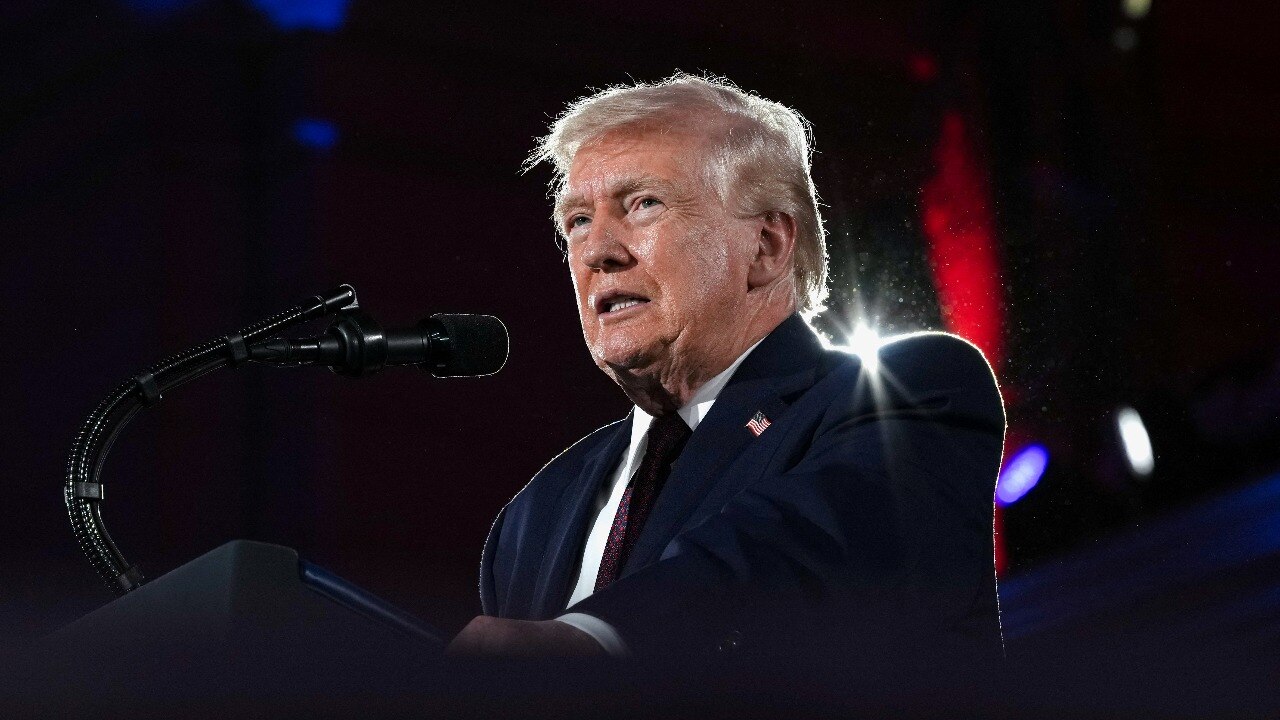
The price hike attracted criticism from Democrats, who blamed US President Donald Trump for the rising cost of living as the war with Iran enters its fifth week.


A heartwarming video of the moment where the woman got the proposal of her dreams from her boyfriend has now delighted the internet.

The video briefings are fuelling concerns that Trump "may not be receiving -- or absorbing -- the complete picture of the war," NBC News quoted two current officials and one former official as saying.

Iran's Islamic Revolutionary Guard Corps (IRGC) Navy says that all vessels must coordinate with Iran's maritime authorities before entering the waterway. According to Iranian officials, this requirement has become stricter in recent weeks as security concerns grow in the region.

Pakistan, a country struggling to contain violence within and around its own borders, now wants to broker peace between the US and Iran. The contradiction is glaring.

According to the passenger, the auto driver was not just occasionally glancing at his phone, but "locked in," continuously watching short videos while driving.

Legal immigration to the US in 2025 has seen one of its sharpest declines since the pandemic. About 2,50,000 fewer visas in total were issued compared to 2024, reported The Washington Post. The drop has been global, but India stands out as one of the worst affected, alongside China. Visa approvals for the two countries fell by a combined 84,000.

Shradha Saini from Bengaluru has gone viral after sharing a detailed breakdown of her monthly expenses, calling it her "Gen Z lifestyle".


As reports suggest Saudi Arabia is pushing for a tougher stance on Iran, Trump's public praise of Gulf allies reveals shifting dynamics, and raises questions over how far the conflict could escalate.

Yogesh Yadav, climbed nearly 40 feet up the tower on Tuesday morning and refused to come down for several hours. He was later taken into custody.

Snubs, sarcasm and shifting power play - Iran's choice of JD Vance over Trump's trusted aides reveals a deeper mistrust, raising questions over who really controls the path to ending the war.

The video, originally shared on Rakesh Kumar's Facebook profile, shows him dragging a snake-like object tied to a rope across a platform that triggered fear and confusion among passengers present at the station.

From shutting US bases to controlling a key global oil route, Iran's demands in response to Trump's proposal set a steep stage for talks, but hints of flexibility quietly emerge behind the scenes.