Column | Seth Rogen’s The Studio and its ambitious usage of the ‘oner’
The Hindu
Explore the innovative use of 'oners' in TV shows like The Studio, Daredevil, and Adolescence for a unique viewing experience.
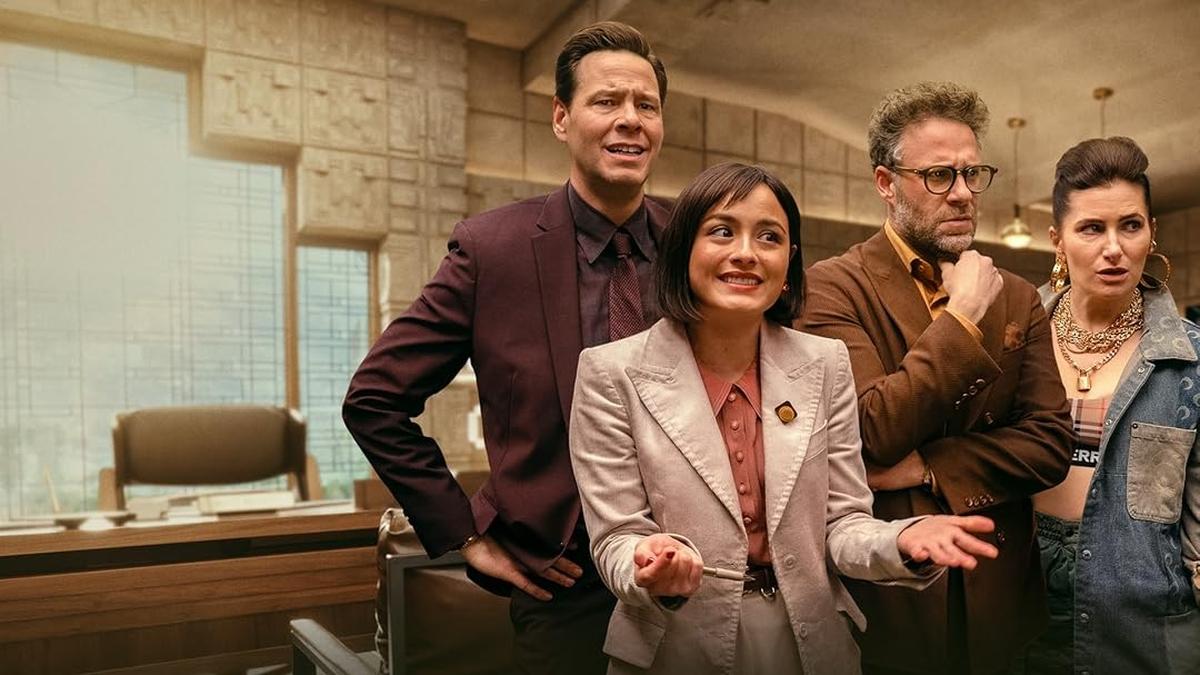
In a promotional behind-the-scenes interview conducted on the sets of the Apple TV+ comedy series The Studio (co-developed by and starring Seth Rogen), actress Kathryn Hahn says, “Seth (Rogen) and Evan (Goldberg) had this really ambitious plan to shoot most of the show as ‘oners’, y’know, one-shots, long uninterrupted takes with no cuts. As an actor, it makes everything more challenging but also more beautiful because with every scene you feel like you’re in a play.”
Rogen plays the lead character Matt Remick, a perpetually hassled studio head. He is genuinely in love with the movies but tries to balance that impulse with the bottom line-driven demands of his corporate paymasters. The show has been universally acclaimed not only for its satire but also, as Hahn points out, the ambitious usage of ‘oners’.
Essentially, Rogen and Co. have expanded the scope of the Aaron Sorkin-esque ‘walk-and-talk’ sequences popularised by 2000s TV mainstays such as The West Wing, Scrubs and Boston Legal (all ‘workplace stories’ like The Studio). The walk-and-talk typically takes place in a narrow corridor (at the hospital, law firm, etc.) and focuses on the lead characters. As they walk towards the camera, other characters flit in and out of the frame.
The Studio executes the same idea, only the camera isn’t right in the leads’ faces, like it would be in a classic ‘walk-and-talk’ 20 years ago. The camera is equally interested in showing us the world around Matt and whoever he is talking to in a scene, weaving and bobbing in and out of the characters’ immediate vicinity. After all, a movie set is a more colourful workplace than a hospital or a law firm or, well, the White House.
The Studio’s oners utilise this rather well, all the way through the show’s 10 episodes. The second episode, in fact, is called ‘The Oner’, and follows Matt as he attempts to help Sarah Polley (playing herself) shoot a oner for her (fictional) film in the show.
The oner has, historically speaking, been a point of prestige for filmmakers and actors, a show of strength that underlines the technical skills of everybody involved. Alfred Hitchcock’s Rope (1948) is considered one of the first major films to deploy the oner. In those days, a single reel of film was only capable of carrying around 20 minutes of footage.
Four reels, four oners — Hitchcock used lighting and editing tricks to make it look like the film consisted of four long takes. The story follows two friends who kill a mutual acquaintance and then host a dinner party with the corpse hidden in the house. The oners elevate the sense of tension the audience feels, watching two murderers trying to get away with it, while the corpse rests right under their noses.


CM announces Cabinet Sub-Committee on Musi rejuvenation; rehabilitation for all displaced

Ramanathapuram identifies 145 polling stations as sensitive, ensuring security with paramilitary forces ahead of assembly elections, says DEO.

BJP Puducherry president V. P Ramalingam files nomination for Raj Bhavan, joined by Union Minister Mandaviya and Khushbu Sundar.

History-sheeter 'Thoppai' Ganesh shot dead by police in Chennai after attacking officers during attempted escape.

The government plans to amend the FCRA, introducing new regulations for NGO asset management and accountability for key functionaries.

The draft policy for “Responsible Digital Use Among Students”, released on Monday by the Department of Health and Family Welfare, has recommended that parents set structured routines with clear screen-time rules and prioritise privacy, safety, and open conversation with children on digital well-being.

Police Observer Sushant Kumar Saxena conducts surprise inspection at Shencottai police station, reviewing warrants and security arrangements ahead of elections.

Andhra Pradesh government to launch key projects in April, focusing on industrial growth and infrastructure development, says Nara Lokesh.

Lok Sabha refers the Corporate Laws (Amendment) Bill to a JPC amid opposition concerns over CSR provisions dilution.

SHG members in Kanniyakumari use snakes and ladders to raise election awareness and boost voter turnout.

Government accelerates consultations for early implementation of the Women’s Reservation Act to ensure women’s representation in 2029 elections.

CM A. Revanth Reddy distributes ₹1 crore insurance cheques to families of deceased Electricity department employees, enhancing financial security for workers.

The Bengaluru Traffic Police (BTP) registered 634 cases of drunk driving during a week-long special enforcement drive conducted across the city between March 16 and March 22.