‘Bengaluru’s wet waste has potential to meet 20% of gas consumed by restaurants’
The Hindu
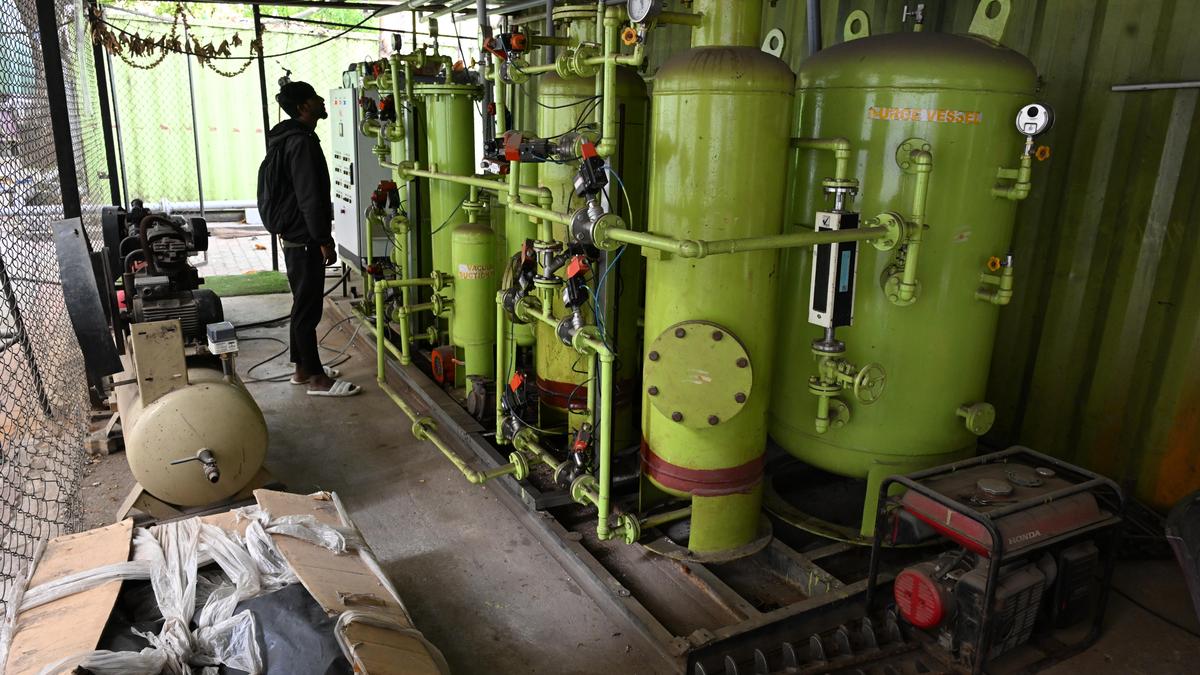
Bengaluru's wet waste could supply 20% of restaurant gas needs, as proposed by Carbon Masters' director during a recent inspection.
Wet waste generated daily in Bengaluru has the potential to produce about 200 tonnes of biogas, accounting for nearly 20% of the total gas consumed by restaurants in the city.
This idea was put forth by Som Narayan, co-founder and director of Carbon Masters, which operates a biomethanisation plant in Koramangala. He made the suggestion during an inspection of the facility by M. Maheshwar Rao, Chief Commissioner of the Greater Bengaluru Authority (GBA), on Saturday, pitching the idea of setting up more such units across the city.
Mr. Rao emphasised that the plan is ambitious and appears promising on paper, but implementation challenges will be inevitable. He directed officials to set up more biomethanisation centres in the city.
“A comprehensive study will be undertaken to produce biogas from wet waste in the city and to establish biogas plants in the GBA limits,” he said.
Bengaluru produces about 3,000 to 3,500 tonnes of wet waste every day, according to data from Bengaluru Solid Waste Management Limited (BSWML). Mr. Narayan said that about 200 tonnes of biogas can be produced if the entire amount of wet waste is processed using the biomethanisation technique.
“Even if we assume Bengaluru needs 1,000 tonnes of gas every day, we have a great opportunity to produce 20% of the requirement. However, we have to develop such infrastructure,” Mr. Narayan told The Hindu.


LPG shortages impact mid-day meal programs in Indian schools, forcing menu cuts and affecting children's nutrition amidst ongoing fuel crises.

BNP highlights serious discrepancies in Bengaluru's civic electoral rolls, urging the Election Commission to implement proper ward sectioning.

Explore Tamil Nadu's rich wildlife and ecological diversity in the newly launched coffee table book by The Hindu Group and Tourism Department.

Samajwadi Party criticizes Uttar Pradesh government for exaggerated employment claims, highlighting one-third of youth are NEET.

Bengaluru's wet waste could supply 20% of restaurant gas needs, as proposed by Carbon Masters' director during a recent inspection.

Udupi SP externs three crime accused to different districts.

Karnataka's Labour Minister supports a national menstrual leave policy, emphasizing women's interests and the need for broad consultations.

Telangana's commercial LPG supplies meet only 20% of demand, prompting a request for increased cylinder allocations from the Centre.

Karnataka's Transgender Amendment Bill faces backlash for threatening rights, identity, and legal protections of the marginalized transgender community.

When a biology lesson on organ systems generated immense interest among Class VIII students of The Pupil International School, the biology teacher Mathura saw an opportunity for an extended class, one about organ donation helmed by subject matter experts from Mohan Foundation. The session eventually led to the formation of Organ Donation Awareness Club led by 25 Class VIII students.

Residents of Coimbatore allege storm drain work started without clearing road encroachments, risking future traffic congestion issues.

NSO ADG Sunitha Bhaskar inaugurates Kakinada's first owned Sub-Regional Office building, showcasing cultural performances and local engagement.

A documentary celebrating Tamil poet Nandalala's life and contributions premiered in Tiruchi, featuring interviews and cultural insights.