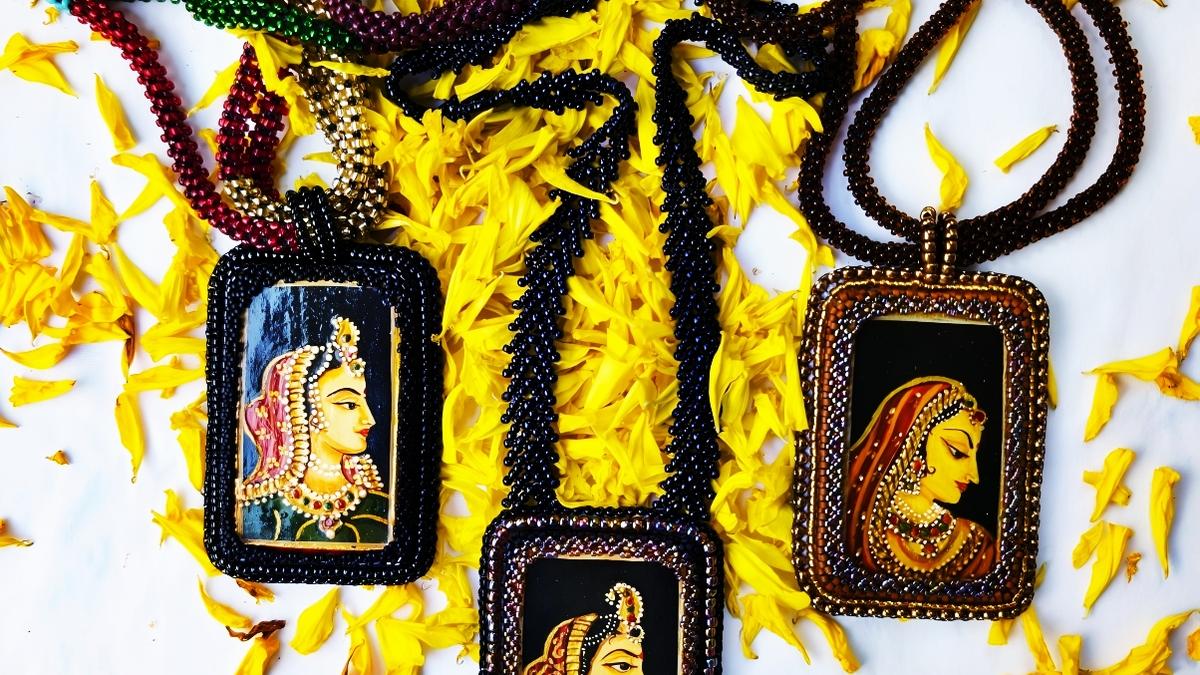
Bengaluru’s 100 Hands is back, steered by their motto of ‘Better Together’
The Hindu
The 15th edition of the Festival of Handmade by 100 Hands is back in Bengaluru this week
Year after year, the 100 Hands fair is eagerly anticipated by all those who have a penchant for one-of-a-kind, specially crafted curios, fabrics, home décor and accessories.
Founded by sisters Sonia and Mala Dhawan, the Festival of Handmade also called 100 Hands by regular visitors, began in 2010 as a initiative to give artisans across the country a platform to become financially viable. According to Mala, their aim has been to foster “a sense of collective and a community of people whose livelihood depends on handmade.”
“It is also about learning from each other and developing symbiotic relationships within the collective, irrespective of 100 Hands’ involvement,” says Mala, adding, “The idea is for artisans to grow, create and support each other at a larger level.”
One of the hallmarks of this year’s edition is the revival of their Me2We concept which was introduced around 10 years ago. “Most craftsmen work in isolation. Our idea was to bring them together, because when you brainstorm, ideate and collaborate, it boosts your sense of creativity — both in terms of design as well as by looking at ways to create better. ‘Together We Create Better’ is the Me2We theme.”
According to Mala, this can be achieved by integrating two different crafts to create a new product altogether — one that could be sold by both parties. She elaborates with an example, “There was a line of painted lampshades and another of crocheted flowers. Under Me2We ideation, we have integrated crochet flowers on to the lampshade creating a new offering that neither party would have been able to do on their own.’
These lampshades will be available at the festival this year. Some other examples of collaborative work include the use of West Bengal’s Gamcha and Assamese weaves to create ready-to-wear dresses, applique work on Kanjeevarams, adding smocking and crochet squares to make dresses for little girls, board games crafted out of Lambani embroidery with Channapatna dice and pegs, and Shibori tie-n-dye fabric with handpainted Gond work, among others.
“We are showcasing around 50 such collaborations this year. For such teamwork to be successful, one has to be able to break barriers of discipline, language and traditional thinking; one should get out of their comfort zone and meet the challenge of competitive work. Such thinking pushes boundaries,” says Mala.


Congress criticises Modi government, citing reports about Pakistan's diplomatic role amid U.S.-Iran tensions, labelling it a setback for India.

Folk music with the Barmer Boys that crosses all boundaries

Tamil comic blockbuster Thaai Kizhavi releases on JioHotstar this week, as actress Radikaa Sarathkumar rewrites rules on pay, age, and women in Tamil films

"The jury has difficulty coming to a consensus regarding one defendant, do you have any advice on how to move forward?" the jurors told Judge Carolyn Kuhl

Maharashtra relocates 25 leopards to Gujarat's Vantara facility amid rising leopard and tiger populations, says Forest Minister Naik.

Assembly polls 2026: Follow updates from The Hindu on the upcoming elections in five States on March 24, 2026

Delhi's per capita income is projected to grow 7.09% by 2025-26, highlighting the city's economic progress and infrastructure challenges.

Review meeting held in Dharmapuri with election observers and nodal officers to discuss upcoming Assembly elections.

Execution of development projects, infrastructure augmentation to occupy centre stage in electioneering

Telangana Cabinet approves Hate Speech and Parents Support Bills, ensuring accountability for neglecting elderly and curbing hate-driven offences.

EU and Australia finalize a free trade agreement and establish a new defense partnership to enhance economic and military cooperation.

U.S.-Israeli war on Iran LIVE: Iran faces deadline of US President Donald Trump warning to open Strait of Hormuz. Follow The Hindu for more LIVE updates on March 23 2026 on Iran-Israel war.

KPCC chief Sunny Joseph emphasizes UDF's focus on Sabarimala and corruption while expressing confidence in winning Kerala's upcoming Assembly elections.