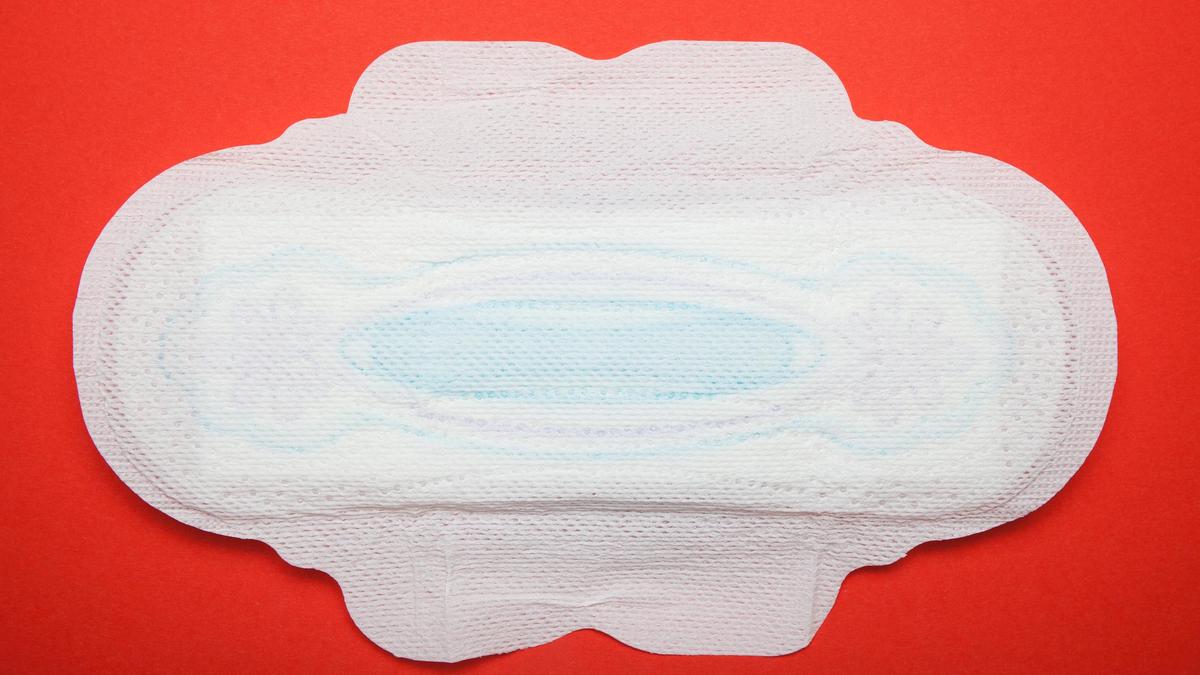
Ban use of toxic chemicals in sanitary pads, baby diapers: PIL plea in Madras High Court
The Hindu
Madras High Court hears PIL to ban toxic chemicals in sanitary pads and diapers, seeking government response on health regulations.
The Madras High Court on Thursday (March 26, 2026) sought the response of the Centre to a public interest litigation (PIL) petition filed for prohibiting the use of carcinogenic and other hazardous chemicals in the manufacture of sanitary napkins, tampons, panty liners, and baby diapers.
The First Division Bench of Chief Justice Sushrut Arvind Dharmadhikari and Justice G. Arul Murugan ordered notices to the Union Ministries of Health and Family as well as Textiles after being convinced with the arguments advanced by senior counsel T. Mohan for the PIL petitioner.
S. Subadra, an advocate based in Chennai, had filed the case also seeking a direction to the Centre to frame appropriate rules/regulations mandating full disclosure of raw materials used in the manufacture of sanitary napkins, menstrual products, and baby diapers sold in the country.
The litigant told the court that a person who menstruates ends up spending about 60,000 hours of their lifetime on menstrual periods and that unlike products used on other skin surfaces, it was essential to use absolutely non-toxic substances in sanitary pads to prevent the toxins from entering the body.
Stating that sanitary pads had undergone several changes over the years, she said, initially, they were made mostly of flannel or woven fabric. Thereafter, sanitary pads were made with gauze and cotton and later, they were manufactured using cellulose, which had a higher absorption power than cotton pads.
“These superabsorbent pads underwent further modification. First came the belt pad, which was soon replaced by beltless pad with adhesives. More recent additions to sanitary pads include fragrance,” she said. The petitioner added the plastic upsurge, too, changed the way the sanitary pads were designed and manufactured.


Leopard captured after livestock attacks in Erode, now receiving veterinary care following its relocation to a dense forest area.

Tension in Shaikpet as crowd attempts to snatch LPG cylinders from a tempo; police restore order.

Shorts News:Planning to watch RCB in Bengaluru? Here’s what you need to know

Telangana CM announces Arogyasri patients will be referred to teaching hospitals and plans to release funds for improved healthcare services.

Minister S.S. Sivasankar criticises Edappadi K. Palaniswami's comments on DMK's seat-sharing, highlighting AIADMK's dependence on BJP.

KSPCA calls for strict action against noise-polluting vehicles in Bengaluru, targeting illegal silencers and loud horns to protect public health.

Telangana Government plans to engage overseas doctors for patient care during their visits, supported by a dedicated online platform.

Shorts News:Melania Trump presents humanoid AI robot that speaks Bengali, 10 other languages

Explore the historical and industrial significance of Ariyalur constituency, highlighting its challenges, agriculture, and political landscape.

SDPI withdraws candidate in Manjeswaram, easing vote-splitting concerns for UDF amid Kerala Assembly polls.

Madras High Court hears PIL to ban toxic chemicals in sanitary pads and diapers, seeking government response on health regulations.

Air India's A350 aircraft returns to Delhi due to technical issues after a seven-hour flight to London.

Get essential traffic and parking info for IPL matches at Chinnaswamy Stadium in Bengaluru; plan your visit now!