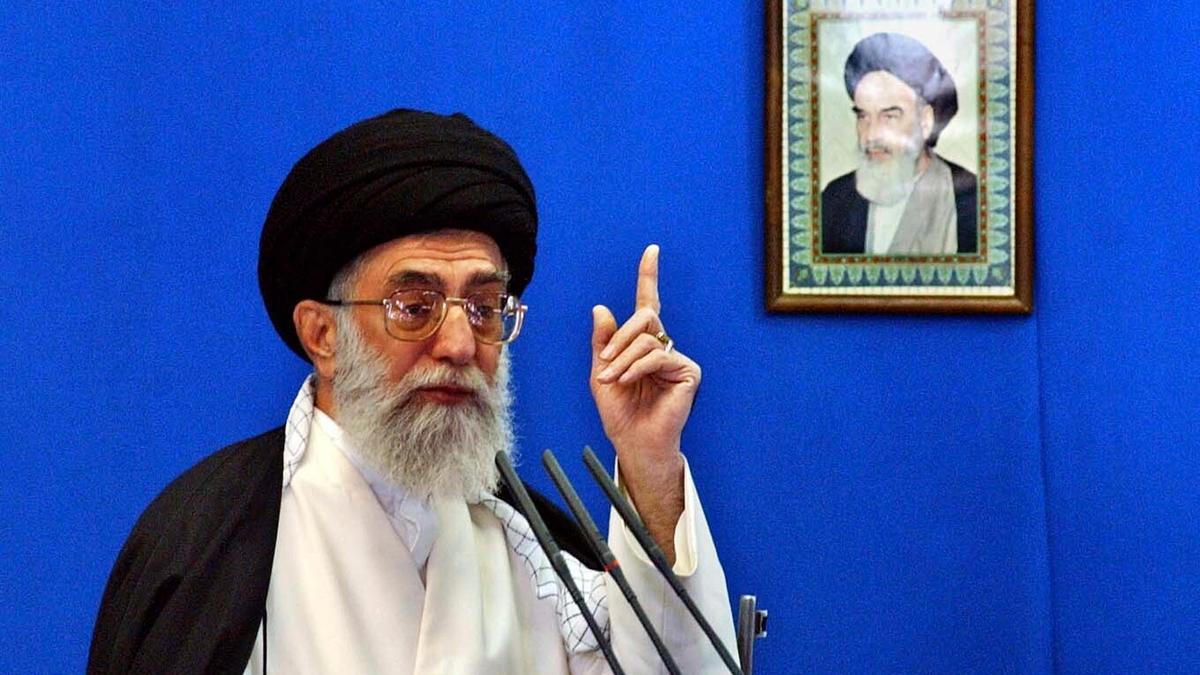
Ayatollah Ali Khamenei: The cleric who reshaped Islamic Iran Premium
The Hindu
Explore the life and impact of Ayatollah Ali Khamenei, the cleric who shaped modern Islamic Iran and its turbulent politics.
In Tehran’s Ebrat Museum, once a notorious prison for political detainees under the Shah, a narrow corridor is lined with photographs of former inmates. Among them, in a brown wooden frame, is the image of a middle-aged man with a bearded face and thick rectangular glasses. The name beneath, written in Farsi, reads: Ayatollah Seyyed Ali Khamenei.
Preserved by the revolutionary regime as a grim reminder of the brutality of the Shah’s secret police, SAVAK, Ebrat displays torture chambers and documents torture methods. One tiny, dimly lit cell, with a single barred window, has been left intact – it is where Khamenei was held. Inside stands a life-size wax figure of the Ayatollah, older than he appears in the photograph. Dressed in a black turban, which suggests lineage to the Prophet Mohammed, round spectacles, and a brown robe, the statue evokes both suffering and resolve. “Khamenei was imprisoned six times by the Shah’s police. He was brought here in 1974,” a museum official told this writer during a visit in February 2022. “In autumn 1974, he endured the most brutal and savage torture for eight months in there,” reads a short biography posted outside the cell. “The Shah wanted to break him. But God wanted him as the country’s rahbar (leader),” said the museum official.
Iran-Israel conflict LIVE updates
Khamenei, who had been the rahbar of the Islamic Republic since 1989, was assassinated in a joint Israeli-American strike on February 28. U.S. President Donald Trump, who called Khamenei “one of the most evil people in history”, said he gave the Iranians their “greatest chance” to “take back” their country. In a rapidly escalating war, Iran has retaliated with strikes against U.S. bases in the region as well as Israel.
Khamenei, one of the most consequential figures in Iran over the past half a century, built a theocratic system that stayed loyal to him. He was the Supreme Leader, the jurist of the guardians. A conservative cleric, he led Iran through political and economic upheavals, and survived both reformist and hardliner Presidents. But in recent years, on Khamenei’s watch, unrest spread across the country. In recent months, Iran’s influence abroad has dramatically waned, particularly after Israel started attacking the so-called ‘axis of resistance’, the Iran-backed militia network in West Asia.
Born in 1939 in royalist Iran, Ali Khamenei grew up in the holy city of Mashhad, which hosts the shrine of Imam Reza, the eighth Imam of Twelver Shiism. Like many clerics of his generation, his political views were influenced by the 1953 coup, a covert operation orchestrated by the CIA and the MI6, against the elected Prime Minister Mohammad Mosaddegh.


Opposition raises concerns over electoral roll irregularities in Gujarat Assembly, prompting limited discussion on the special revision exercise.

India anticipates a hotter-than-normal summer with increased heatwave days, impacting temperatures and agricultural yields.

The Hindu cartoon delhi hc on delhi excise policy case on March 1, 2026

Ivan D’Souza seeks ₹1,500 crore from CM Siddaramaiah for Mangaluru's underground drainage repairs and other development projects.

UN chief António Guterres condemned U.S.-Israeli airstrikes on Iran, calling for immediate negotiations to prevent regional escalation.

Experience the vibrant cultural showcase of 24 states and international performances at VIT's Riviera 2026 event, Akiya.

Karnataka government initiates recruitment for 56,432 posts without internal reservation, disappointing Dalit Left communities seeking equity.

Congress govt. pushed Hyderabad to lows in all sectors: KTR

AIDWA backs Anganwadi workers' strike in Ongole, demanding higher salaries and better support for the Integrated Child Development Services.

Tamil Nadu inaugurates its first eco-tourism campsite in Anamalai Tiger Reserve, promoting regulated trekking and community livelihoods.

Forensic scientist K.P.C. Gandhi emphasizes the importance of science and moral courage in nation-building at ALC's 72nd annual celebrations.

MCEME Secunderabad's seminar focuses on robotics and autonomous systems to enhance India's future-ready defense capabilities.

Chief Minister Naidu announces ₹20 lakh ex gratia for firecracker blast victims, suspends officials, and plans safety reforms.