Amid Delhi’s winter air woes, plans to curb pollution stuck in second gear
The Hindu
Delhi air quality panel enforces Stage 2 of GRAP as AQI likely to turn 'very poor'. Measures include increasing parking fees, enhancing CNG/electric buses & metro services, sprinkling water on roads, using anti-smog guns & proper disposal of construction & demolition waste.
With Delhi’s air quality likely to turn ‘very poor’ over the coming days, the Commission for Air Quality Management in NCR and Adjoining Areas (CAQM) announced the imposition of Stage 2 of the Graded Response Action Plan (GRAP) on Saturday. The GRAP is a set of emergency measures taken to reduce air pollution.
As part of GRAP’s Stage 2, authorities in the NCR have been asked to increase parking fees and enhance the services of CNG/electric buses and metro trains to discourage people from using private transport.
Delhi’s 24-hour average Air Quality Index (AQI) on Saturday was 248, which falls in the ‘poor’ category.
A reading between zero and 50 on the AQI is considered ‘good’, 51 and 100 ‘satisfactory’, 101 and 200 ‘moderate’, 201 and 300 ‘poor’, 301 and 400 ‘very poor’, and 401 and 500 ‘severe’.
In its Saturday order, the air quality panel said forecasts by the India Meteorological Department and the Indian Institute of Tropical Meteorology suggest that the city’s overall air quality is likely to dip to the ‘very poor’ category on October 23 and 24, owing to unfavourable meteorological and climatic conditions.
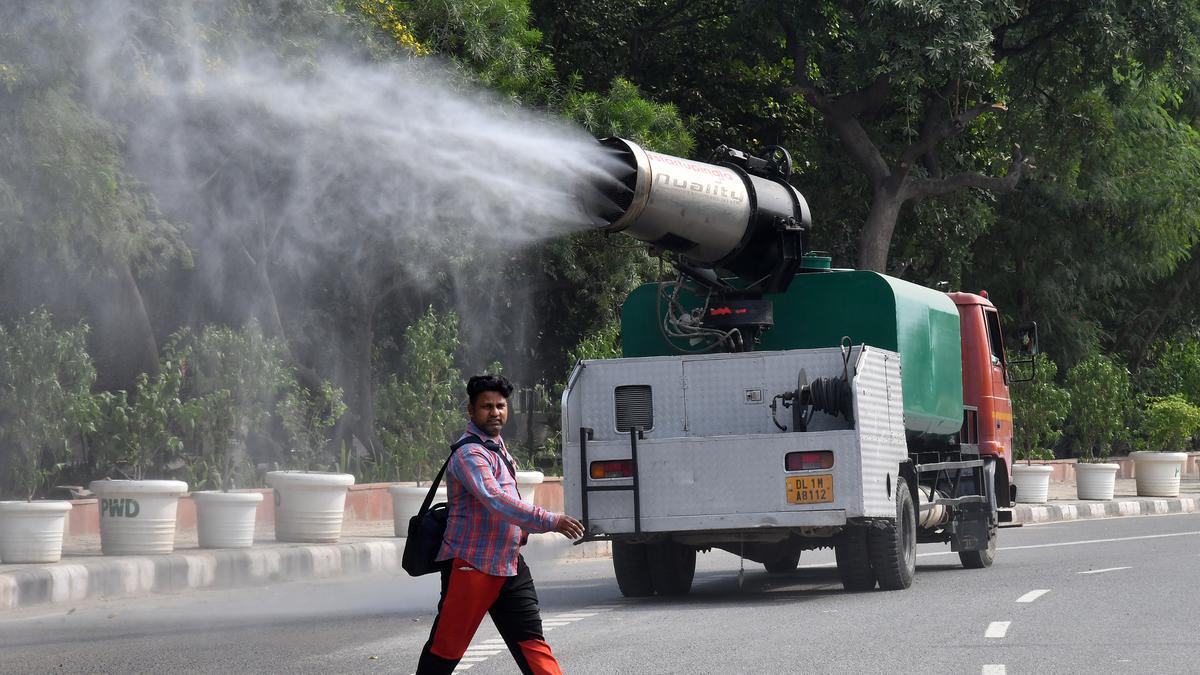
The GRAP’s Stage 1, which includes sprinkling water on roads, using anti-smog guns, and ensuring proper disposal of construction and demolition waste, was enforced on October 6.
Meanwhile, sources said that at least four plans announced by the Delhi government since 2022 to curb the rising pollution are yet to take off.


Explore the evolution of cooking fuels in Madras, from wood and coal to the rise of LPG, amid recent shortages.

Protests against the Sharavathi Pumped Storage Hydroelectric Project in the Western Ghats just got new life

51 couples take thebig plunge at Udaipur mass wedding event

A bridge collapse in Roop Nagar kills a woman; Delhi government forms a probe panel amid rising safety concerns.

Tribunal halts Colonel Purohit's retirement, pending promotion decision after his acquittal in the 2008 Malegaon blast case.

Pinarayi Vijayan launches his election campaign in Dharmadam, aiming for a third consecutive term amid tightening competition.

Delhi Speaker Vijender Gupta has written to Lieutenant-Governor Taranjit Singh Sandhu seeking directions to instal audible signals at traffic intersections across the city to ensure the safety of mobility-impaired individuals and senior citizens.

GVMC council concludes its five-year term, highlighting significant development projects and global events that enhanced Visakhapatnam's recognition.

Karnataka SC/ST Commission discusses internal reservation issues amidst confusion over reduced quotas for Scheduled Castes and Tribes.

President Droupadi Murmu serves Akshaya Patra’s 5 billionth meal, highlighting child nutrition and education at Rashtrapati Bhavan.

PM Modi and UAE President agree on ensuring safe navigation through the Strait of Hormuz amid regional tensions.

JNU student leaders face severe repercussions for activism, risking their academic futures amid allegations and online abuse.

India Post launches 24-hour and 48-hour Speed Post services in Bengaluru, ensuring urgent delivery across major metro cities.