A wildlife association that helped conserve the Nilgiris’ biodiversity Premium
The Hindu
Explore the Nilgiri Wildlife and Environment Association's vital role in conserving biodiversity and protecting wildlife in Tamil Nadu.
With discussions under way to revive one of the oldest conservation associations, the Nilgiri Wildlife And Environment Association (NWEA), conservationists have highlighted the group’s contributions to preserving not just the biodiversity of the Nilgiris, but that of India, through its pioneering efforts in maintaining animal populations in the hills.
The NWEA came into existence in colonial India, when British colonists discovered a “hunters’ paradise” in the Nilgiris. According to N. Mohanraj, a Nilgiris-based conservationist and one of the NWEA’s longest-serving members, restrictions on hunting existed in England but they were non-existent in India.
“The Nilgiris, soon connected by the railways, became a magnet for European hunters from across the region. This influx, combined with the advent of more accurate breech-loading rifles, rapidly led to the decimation of local wildlife populations. Just 65 years after the first Europeans set foot in the Nilgiris, the decline in game numbers became alarming – even among the hunting community,” said Mr. Mohanraj.
It was during this distressing observation that General Richard Hamilton, an early advocate for wildlife protection, persistently urged the government to take action, by proposing a closed season for hunting and drafting what formally became the Nilgiris Game and Fish Preservation Act, 1879. Prior to this landmark piece of legislation, a key meeting was held in the Nilgiri library in Udhagamandalam, where the “Nilgiris Game Association,” the precursor to what would eventually become the NWEA, was born.
Mr. Mohanraj said the Act marked the beginning of structured wildlife conservation in the region, and in fact, served as a blueprint for conservation across India. “Thanks to this early initiative, the Nilgiris remains one of India’s most ecologically vibrant regions, even amid modern development,” he said.
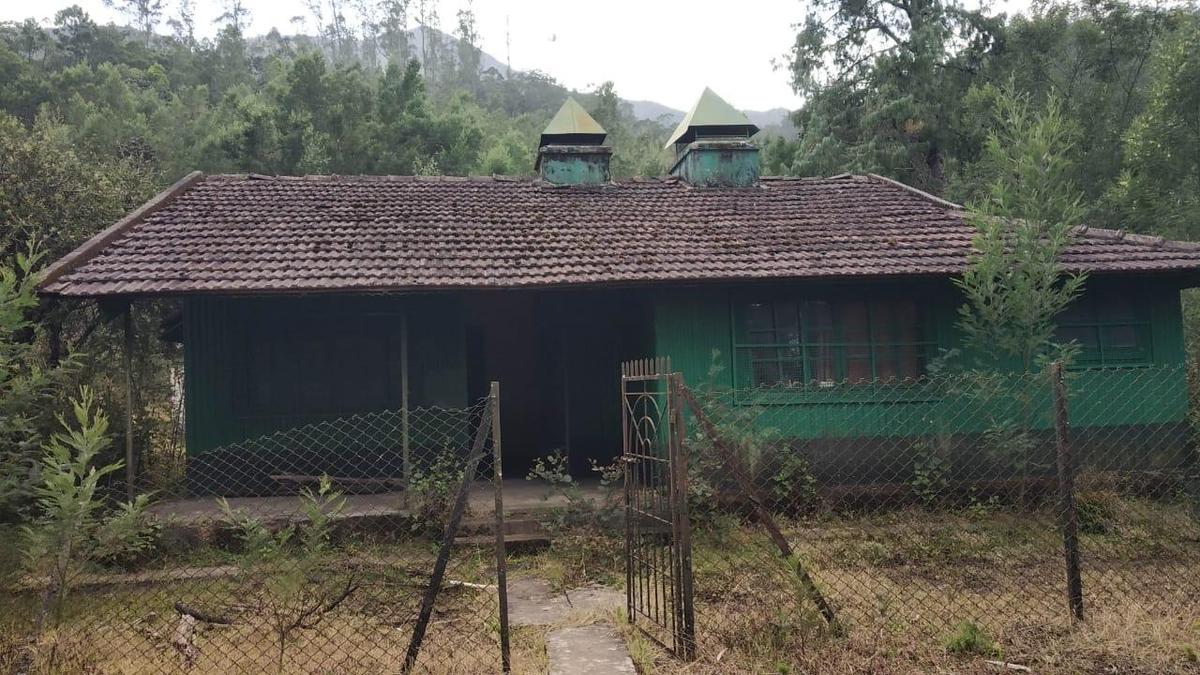
The association also had watchers to help enforce the restrictions on hunting, with up to 17 watchers in its heyday. They also had four bungalows in the Nilgiris, which over the years have been handed over to the Forest Department in Mudumalai, two being submerged by hydroelectric projects, and only the one in Mukurthi National Park still with the association.


CM Naidu seeks Central support for irrigation, infrastructure, and organic farming initiatives in Andhra Pradesh during meetings in New Delhi.

Explore the need for political change in India to support and retain women in STEM fields effectively.

M.G. Ramachandran's journey from hospitalisation in the U.S. to a triumphant homecoming in Tamil Nadu after recovery.

Kochi Corporation seeks a new agency to manage loss-making ro-ro services, potentially partnering with KMRL for operations.

CID launches a manhunt for former MLA Byrathi Basavaraj after High Court denies him anticipatory bail in murder case.

Residents along Rajiv Gandhi Salai oppose road height increase, fearing flooding and accessibility issues during monsoon without cold milling.

The draft Defence Acquisition Procedure-2026 aims to modernize India's defense procurement to enhance strategic alignment and domestic manufacturing.

Court summons complainant in jewellery theft case linked to Sivaganga custodial death, with 10 police personnel accused.

Punjab Governor Gulab Chand Kataria, who on Monday began a four-day march to raise awareness against drug abuse, was joined by Shiromani Akali Dal president Sukhbir Singh Badal in Ferozepur on Tuesday. The move prompted the Congress to question whether a potential reunion of the BJP and the Akali Dal is on the cards ahead of next year’s Assembly election.

Minister for Labour V Sivankutty on Tuesday launched ‘Rakshakavacham,’ a new accident insurance scheme aimed at providing financial security to private sector workers in the state. Describing it as a “major labour welfare initiative,” Mr Sivankutty said the scheme would offer crucial protection to workers and their families during times of crisis. Inaugurating the scheme here, he said ‘Rakshakavacham’ would provide protection and assurance to lakhs of private sector workers, describing the labour force as the backbone of Kerala’s development.

Tamil Nadu is poised to become a $150 billion electronics hub by 2030, contributing significantly to India's exports and manufacturing.

Somaskanda Murthy paraded on Simha Vahanam during the vibrant Kapila Theertham festival in Tirupati, captivating devotees.

Over 6,222 applications for former Devadasi recognition remain unresolved in Karnataka, amid concerns over a significant decline in numbers.