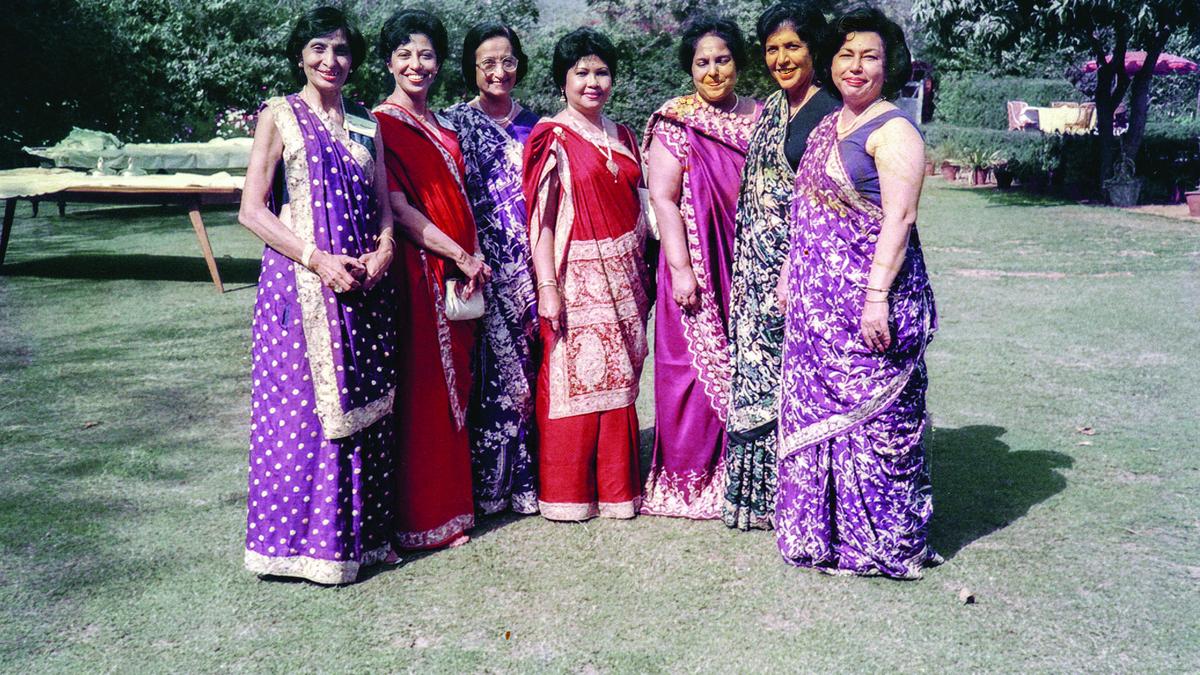
A century in the capital: How Delhi’s Parsis mark 100 years of community, faith and philanthropy
The Hindu
Delhi's Parsi community celebrates a century of heritage, faith, and philanthropy, honoring its rich history and enduring legacy.
The Parsi community shares a deep-rooted relationship with Mumbai (then Bombay), where much of its history unfolded. Concentrated largely in older neighbourhoods such as Colaba, Parsis were among the city’s earliest builders and traders. “Several streets were named by Parsis, who were instrumental in shaping the city. There was a time when the community’s population ran into a few lakhs, with Bombay emerging as a natural hub because of its port,” says Adil Nargolwala, president of Delhi Parsi Anjuman (DPA).
Delhi, however, rarely figures in conversations about Parsi heritage — perhaps because of numbers. While Mumbai is home to nearly 40,000 to 50,000 Parsis, Delhi’s community stands at roughly 500. Yet the capital’s connection with the community is older than many realise.
Nargolwala notes that during Emperor Akbar’s reign, the Mughal court became aware of the Parsi community. Known for his curiosity about different faiths to create the Din-i-Ilahi, Akbar is believed to have met Meherji Rana of Navsari, the community’s chief priest. “He invited him to his courts in Delhi and Agra and granted a royal charter of several hundred acres of land,” he adds.
About 1,300 years ago, facing persecution in Persia (now Iran), the Parsis had migrated in order to protect both themselves and their faith. Their journey eventually led them to settle across Gujarat, Karachi, and Bombay.
0 R
By the time Delhi was established as the capital — first under Shah Jahan and later consolidated during British rule — the Parsis were already present in India. While there is no formal documentation of their interactions with Delhi’s residents during this period, oral histories and community narratives suggest their presence and engagement in the city.


The government plans to amend the FCRA, introducing new regulations for NGO asset management and accountability for key functionaries.

The draft policy for “Responsible Digital Use Among Students”, released on Monday by the Department of Health and Family Welfare, has recommended that parents set structured routines with clear screen-time rules and prioritise privacy, safety, and open conversation with children on digital well-being.

Police Observer Sushant Kumar Saxena conducts surprise inspection at Shencottai police station, reviewing warrants and security arrangements ahead of elections.

Andhra Pradesh government to launch key projects in April, focusing on industrial growth and infrastructure development, says Nara Lokesh.

Lok Sabha refers the Corporate Laws (Amendment) Bill to a JPC amid opposition concerns over CSR provisions dilution.

SHG members in Kanniyakumari use snakes and ladders to raise election awareness and boost voter turnout.

Government accelerates consultations for early implementation of the Women’s Reservation Act to ensure women’s representation in 2029 elections.

CM A. Revanth Reddy distributes ₹1 crore insurance cheques to families of deceased Electricity department employees, enhancing financial security for workers.

The Bengaluru Traffic Police (BTP) registered 634 cases of drunk driving during a week-long special enforcement drive conducted across the city between March 16 and March 22.

GHMC intensifies action against property tax defaulters, seizing properties and offering a One Time Settlement scheme for payments.

CCB arrests three drug peddlers in Mangaluru, seizing ₹2.5 lakh worth of MDMA and other valuables.

TVK's 28 candidates in Puducherry include former BJP MLAs, a sitting Independent, and a retired police IG.

BRS submits notice on private member bill to Speaker