Your go-to snacks could be fuelling chronic inflammation – here’s why Premium
The Hindu
Convenient snacks contribute to chronic inflammation, leading to various diseases; anti-inflammatory diet and lifestyle changes can help prevent this.
Convenient and affordable snacks like chips, soft drinks and quick microwave meals have become a staple in the diet of many people today. However, beneath their appealing flavours and ease of access lies a concerning health issue: chronic inflammation. This persistent, low-grade inflammatory state is not merely a trendy health buzzword but a significant factor contributing to a wide range of chronic diseases, including cardiovascular disease, diabetes, intestinal inflammation, autoimmune disorders and even mental health conditions such as depression and anxiety.
Inflammation is a natural and essential biological response that protects the body from injury and infection. For example, when you sustain a cut, the resulting swelling and redness signify inflammation working to heal the wound. However, the problem arises when this immune response remains persistently active without a genuine threat, leading to chronic inflammation. Unlike acute inflammation which resolves after healing, chronic inflammation continues silently, often for months or years, causing slow, and potentially serious damage to tissues and organs.
This prolonged inflammatory state is linked to a spectrum of diseases, including heart disease, Type 2 diabetes, chronic liver disease, chronic kidney disease, inflammatory bowel disease certain cancers and several other autoimmune disorders. It can lead to a poor nutritional state and to general deterioration in physical health. Moreover, chronic inflammation affects mental health by altering brain function through pro-inflammatory cytokines, which disrupt neural circuits related to mood and perception, contributing to mood disorders in the short term and cognitive impairments in the long term.
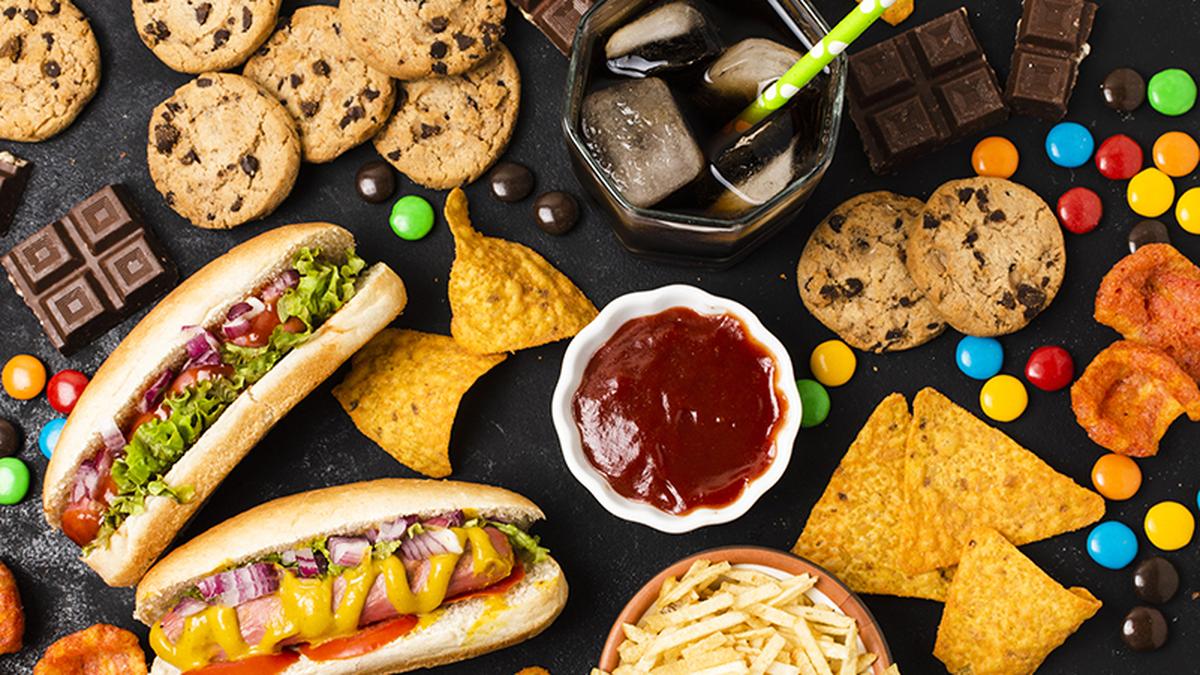
There are many potential triggers for chronic inflammation, and the reasons for this sustained state are multi-factorial and remain a subject of ongoing research. However, it is known that a substantial contributor to chronic inflammation is diet, particularly the consumption of highly processed and ultra-processed foods rich in refined carbohydrates, sugars, unhealthy fats, and artificial additives. Some common examples of such foods include packaged snacks, sugary drinks, instant noodles and ready-to-eat meals that are industrially prepared and often contain emulsifiers, preservatives, artificial flavours and colours.
Research shows that diets high in ultra-processed foods (UPFs) are consistently associated with elevated inflammatory markers and linked to an increased risk of cardiometabolic diseases, obesity, Type 2 diabetes, mental health issues, and higher mortality rates too. One key mechanism through which this happens is that these foods displace fibre-rich whole foods, disrupting gut microbiota balance. This disruption in the microbiota balance (dysbiosis) along with other factors can, in turn, lead to intestinal inflammation and increased intestinal permeability, often called ‘leaky gut’. This allows toxins to breach the protective barrier in the gut, triggering an inflammatory cascade.
Additionally, high sugar content in these foods causes blood sugar spikes, further fuelling inflammatory processes linked to metabolic diseases. The liver is also burdened due to the complex mechanisms of dealing with food additives, and the excessive burden of calories causes obesity. This could lead to Metabolic Syndrome-Associated Steatotic Liver Disease (MASLD), commonly known as fatty liver disease. The liver is a significant organ affected by sustained chronic inflammation.
A significant reduction in the intake of fresh fruits and vegetables, which are rich sources of antioxidants, and important source of prebiotics that maintain a healthy gut microbiota, is also a cause of concern. The anti-inflammatory benefits of these diets are thereby lost, leading to an added risk of sustained chronic inflammation.


Perundurai's industrial growth faces challenges of pollution, water scarcity, and healthcare, impacting residents ahead of the 2026 elections.

The Travancore Devaswom Board asserts that courts should respect community beliefs in its Supreme Court submission on Sabarimala's entry issue.

Karnataka cancels Deendayal Upadhyay event at KSOU due to protocol violations, citing inconsistency with university objectives.

Illegal pickle unit busted in Hyderabad, one arrested; unhygienic stock worth ₹3 lakh seized

Karnataka has entered a state of demographic transition where a large working-age population will no longer be enough to drive economic growth, and future gains will depend on how productively people are employed, the ‘State of Working India 2026’ report said.

Key demands in Sulur Assembly constituency include reviving the powerloom sector, addressing farmers' needs, and protecting River Noyyal.

Kodihalli urges Karnataka CM to allocate ₹10,000 crore revolving fund for seamless procurement of farm products under MSP scheme.

Kerala's political parties continue to marginalize women candidates, highlighting a troubling disconnect between gender demographics and representation.

The High Court of Karnataka on Tuesday ordered the issue of a notice to the State government on a PIL petition, which had complained about disturbances caused to people residing in the localities around the National Public School situated in Rajajinagar 5th block due to use of loudspeakers with high volume in the school and parking of school buses in residential areas.

China is extensively mapping ocean floors to enhance submarine warfare capabilities against the U.S. and allies across key oceans.

AIADMK's 2026 manifesto promises free rations, women's benefits, education reforms, and economic growth initiatives for Tamil Nadu.

The vehicle towing drive will soon resume in the city to ease traffic congestion. The Bengaluru Traffic Police (BTP), in coordination with the Greater Bengaluru Authority (GBA), is set to relaunch the vehicle towing drive across the city shortly to tackle traffic congestion and illegal parking.

Panic buying, not shortage, is leading to long queues at Hyderabad petrol pumps.