Why can't Iran afford a long war?
India Today
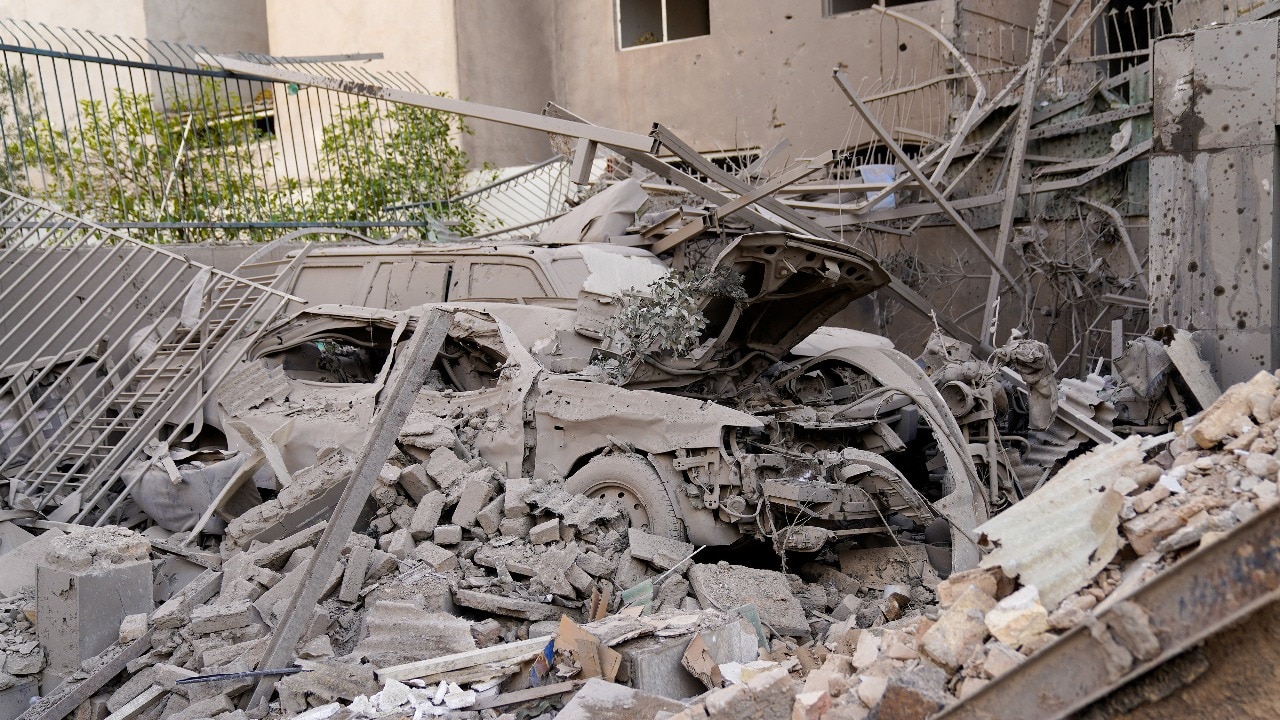
Iran, which is being attacked by US and Israel through airstrikes, faces escalating pressure as economic challenges and military limitations raise serious questions about its ability to sustain a prolonged conflict amid recent regional escalations.
The US–Israel strikes that killed top Iranian leaders and officials, including Supreme Leader Ayatollah Ali Khamenei, have dramatically escalated tensions in the Middle East, sparking travel chaos in the region and uncertainty over Iran's future.
Yet despite its fierce rhetoric and retaliatory actions, a prolonged, high-intensity war is something Iran can ill afford, according to a broad consensus among security and economic experts.
Iran’s ability to sustain a long conflict is constrained first and foremost by its economy. The country has been under severe US sanctions since the Donald Trump administration withdrew from the Joint Comprehensive Plan of Action in 2018.
Oil exports, Iran’s main revenue source, have fluctuated sharply with sanctions enforcement, while currency volatility and persistently high inflation remain deep structural weaknesses. A drawn-out war would intensify these pressures, heightening public discontent and economic instability.
Iran possesses formidable missile and drone manufacturing capabilities and boasts the largest missile arsenal in the Middle East. Estimates from US defence briefings and independent military think tanks suggest a stockpile of roughly 2,000–3,000 ballistic missiles, alongside hundreds of cruise missiles and thousands of drones, including loitering munitions.
However, experts caution that sustained, high-tempo warfare would rapidly strain Iran’s air-defence networks, ballistic missile reserves, command-and-control nodes and energy infrastructure.


Over the past week, social media has been abuzz with rumours claiming that Israeli Prime Minister Benjamin Netanyahu was killed in an Iranian missile strike. However, there remains no credible evidence. It coincided with his reported absence from cabinet meetings. However, Israel has released videos and images to assert that Netanyahu is alive.

Norwegian Ambassador May-Elin Stener shared pictures of her travelling on the Delhi Metro for the first time in a now-viral post on social media.


Trump claimed Iran's retaliatory strikes on Gulf nations were unexpected. But intelligence reports and experts had warned in advance that Tehran could escalate by targeting regional countries.

Sri Lanka has moved to a four-day work week to conserve fuel as the Middle East war disrupts oil supplies through the Strait of Hormuz, while Bangladesh has begun rationing fuel and Pakistan has shifted offices to remote work to ease an emerging energy crunch.

The story began with America as Iran's saviour but ended with America as its Satan. The rivalry written over decades in oil and blood is catastrophically being settled with fire that can singe the world.

According to a report by The Telegraph, Israeli ballistic missiles struck the compound soon after Mojtaba left the building, killing Ali Khamenei along with dozens of senior officials and relatives.

Trump demanded warships. He threatened allies. He warned NATO of a very bad future. The whole world watched, nodded politely, and walked away. Here is exactly what that means.

An incident involving a promotional robot in Macau has raised safety concerns after a woman was startled, prompting police intervention and renewed focus on robotics in public spaces.

Laylatul Qadr is considered one of the holiest nights in Islam. The Night of Decree, when Muslims keep up late into the night for prayers, is different this year. It is a sombre Laylatul Qadr night amid fears for life and safety amid the US-Israel-Iran war in the Middle East.

A group of Rajasthani folk artists delivered an impromptu musical performance during a security screening at Jodhpur Airport.

The newspaper, citing officials familiar with the conversations, said the Saudi leader has been in frequent contact with Trump during the conflict and encouraged him to "keep hitting the Iranians hard" as the fighting intensifies across the region.

A video showing a woman holding a child near a moving train window for him to urinate has gone viral, stirring public outrage over safety risks.