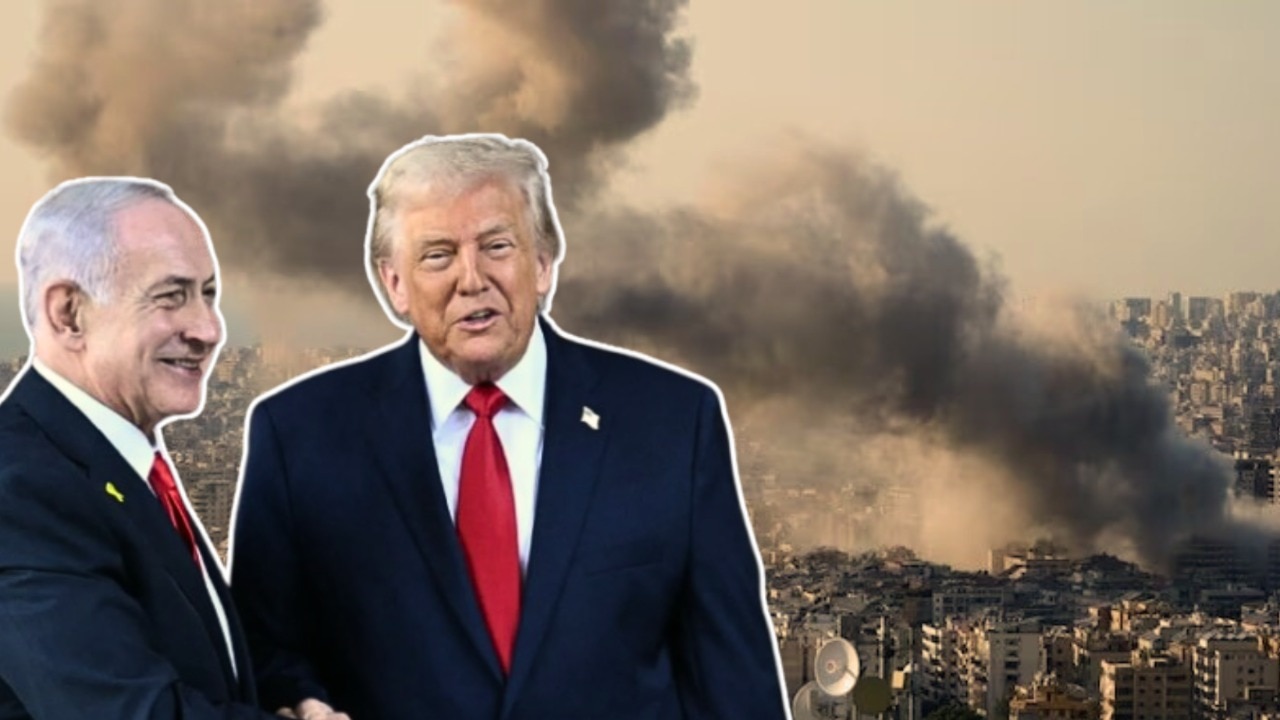
Who's winning the US-Israel-Iran war and how does it end?
India Today
With the Israel-US-Iran war in its 18th day, the natural question is who's winning it. It is a difficult question to answer in an asymmetric war. However, we look at the targets of both sides and try to give a perspective of who is ahead in this war.
US President Donald Trump declared American victory over Iran at least five times within just 13 seconds during an address last week. The Iranians, however, have given a very different feel of the war. Leaders in Tehran have spoken of a "proud" resistance, adding that they have been taught a "good lesson". The Iranians have insisted they are ready to fight "as long as it takes".
The US-Israel war on Iran has now entered its third week. There are no signs of mediation. No side is backing down. In such an "asymmetric" war, answering who is "winning" is not a straightforward or simple ask. The answer is mostly layered and nuanced. It depends on what benchmarks are used. Military damage? Political outcomes? Economic disruption? Or survival itself?
If one closely examines the original objectives that drove the United States and Israel into this war, the picture becomes clearer. Have Washington and Jerusalem achieved their core targets? Not really.
Last week, Trump, speaking at a rally in Kentucky, said "we won" the war. Then he abruptly pivoted, saying, "We don't want to leave early, do we? We've got to finish the job".
The Iran war, which began with the joint US-Israeli strikes on February 28, entered its 19th day on Wednesday. The top leadership of Iran, including Supreme Leader Ali Khamenei, were killed. But, to the surprise of Israel and the US, Tehran has not folded up. The Ayatollah regime is very much in control, and there's a new Supreme Leader in Tehran now. They have escalated and are retaliating hard. Missiles and drones continue to target US and Israeli-linked assets across the region. Among the Gulf countries, the UAE has been hit the hardest.
Iran has even signalled readiness for a prolonged war, with officials saying it can sustain a fight lasting almost six months. Irrespective of claims and counterclaims, everyone agrees on one thing. The war, like all others, will eventually end. But how, when, and on whose terms? These remain the big questions.


A Brazilian woman and her friends' wedding dance to a Bollywood song has gone viral, with her calling it "the one Indian song every Brazilian knows," sparking curiosity about its popularity in Brazil.

The UAE has faced the most intense barrage of Iranian attacks among the Gulf countries since the US-Israel war on Tehran began. Civilian and business infrastructure in Dubai and other hubs have been targeted. But why has the UAE been targeted more than its Gulf neighbours? Here's what's driving Iran's aggression against it.

Israel shared a photo of Prime Minister Benjamin Netanyahu ordering strikes on Iran's leadership, even as authorities pushed back against viral but unverified claims about his death. The post comes amid escalating hostilities with Iran and a parallel information war marked by misinformation and official rebuttals.

A woman from Delhi is transforming plastic waste into a resource through "Plastic Banks" in schools and awareness drives. Keep reading to find out more about her initiative.

Israel targets Iran security chief Ali Larijani, says might be killed or injured

Several eyewitnesses told Reuters that the strikes hit hospital rooms when the patients were completing their evening prayers. The building soon caught fire, and several patients were burned.

A photograph of a passenger with his bare feet resting on a food tray table on a Vande Bharat Express has prompted widespread criticism across social media platforms.

Over the past week, social media has been abuzz with rumours claiming that Israeli Prime Minister Benjamin Netanyahu was killed in an Iranian missile strike. However, there remains no credible evidence. It coincided with his reported absence from cabinet meetings. However, Israel has released videos and images to assert that Netanyahu is alive.

Norwegian Ambassador May-Elin Stener shared pictures of her travelling on the Delhi Metro for the first time in a now-viral post on social media.


Trump claimed Iran's retaliatory strikes on Gulf nations were unexpected. But intelligence reports and experts had warned in advance that Tehran could escalate by targeting regional countries.

Sri Lanka has moved to a four-day work week to conserve fuel as the Middle East war disrupts oil supplies through the Strait of Hormuz, while Bangladesh has begun rationing fuel and Pakistan has shifted offices to remote work to ease an emerging energy crunch.

The story began with America as Iran's saviour but ended with America as its Satan. The rivalry written over decades in oil and blood is catastrophically being settled with fire that can singe the world.