What your tongue says about your health Premium
The Hindu
Discover why doctors examine your tongue during check-ups; it reveals vital clues about your overall health.
Have you ever wondered why doctors often ask you to stick out your tongue during a routine check-up? While it may seem like a small, almost trivial request, this simple act serves as a crucial diagnostic tool.
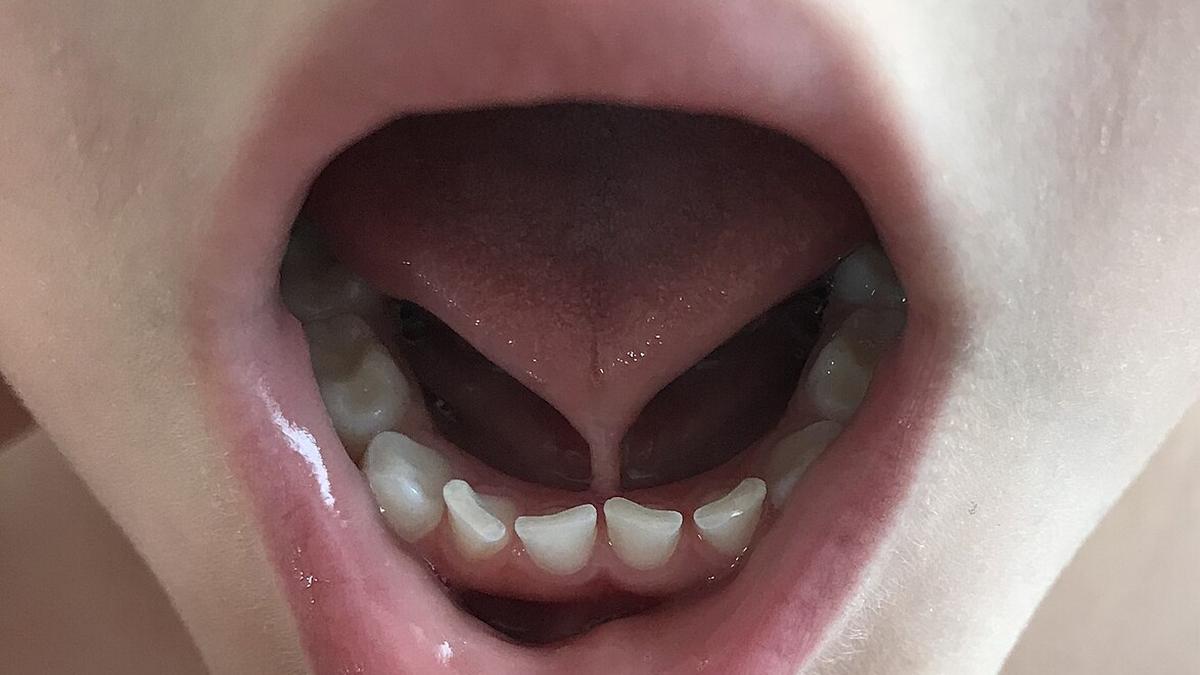
The tongue is a muscular organ made up of four main parts: the tip, body, root, and underside. The tip helps with speech and tasting sweet flavors. The body aids in chewing and tasting, while the root connects to the throat and assists with swallowing. The top surface (dorsum) has tiny bumps called papillae, which contain taste buds, while the smooth underside reveals blood vessels and helps absorb certain medicines. The tongue’s movement and shape come from its strong muscles, making it essential for talking, eating, and tasting.
There are several conditions that can affect the tongue -- such as tongue cancer, glossitis, thrush and other oral health issues which may impact its appearance or function. And beyond its essential roles in taste, chewing, and swallowing, the tongue can provide invaluable insights into health conditions, many of which may not yet show visible symptoms. Its appearance, texture, and coating can reveal key clues about your nutritional status, oral hygiene and even systemic health issues. Doctors across specialties emphasis that paying close attention to the condition of the tongue can serve as an early warning system for a wide range of underlying health issues.
Lokesh Mahajan, Head of Pediatrics at Marengo Asia Hospitals, Faridabad, explains, “The tongue is not just a local indicator of oral health; it reflects broader systemic conditions. Conditions like vitamin deficiencies, thyroid disorders and even infections can manifest through noticeable changes in the tongue’s appearance.”
For example, a red, smooth tongue could indicate a deficiency in vitamin B12 or folic acid, while a white coating may point to a fungal infection such as candidiasis. Dr. Mahajan emphasises, “A pale tongue may signal anemia, while an unusually red tongue could point to inflammation or systemic infection. These are subtle but important signals the body is giving us.”
In paediatric care, changes in the tongue are also critical. P. Priyatharshini, consultant in Paediatric Critical Care at SRM Global Hospitals, Chennai, says, “For children, conditions like Kawasaki Disease -- a syndrome, mainly affecting children under five, that causes a high fever and inflammation of the blood vessels, including the coronary arteries -- often present with a ‘strawberry’ tongue -- red, swollen, and with a bumpy texture. This is a critical sign that requires immediate attention.” She also points out that even systemic conditions like hypothyroidism can alter the tongue’s appearance, with signs ranging from swelling to a glossy appearance.
Dr. Priyatharshini adds, “Certain rare diseases like sarcoidosis or rheumatoid arthritis can cause ulcers in the mouth, including the tongue, which can be mistaken for minor irritations if not examined closely.”


Lorry owners in Andhra Pradesh reject government proposal to reduce vehicle fitness test fees by up to 50%.

Watch the thrilling trailer for 'Dune: Part Three,' showcasing epic battles and Paul Atreides' struggle with power and resistance.

TMC announces candidates for 2026 Bengal Assembly elections, contesting 291 seats; BGPM to handle three Darjeeling hill seats.

DMK finalizes a seat-sharing deal with CPI for Tamil Nadu elections, allotting five seats amid ongoing discussions with CPI(M).

Parliament Budget Session LIVE: Follow The Hindu's latest updates on the Parliament Budget Session on March 18, 2026.

Severe storms cause over 1,100 flight cancellations and 7,300 delays across the U.S., exacerbating travel chaos amid a government shutdown.

Three MBBS students tragically died in a scooter accident in Kozhikode, Kerala, early Wednesday morning.

Microsoft said on Tuesday it is reorganising its Copilot teams by unifying its commercial and consumer versions, as the tech giant rushes to improve its artificial intelligence assistant to drive better adoption.

Poco has launched the new X8 Pro series smartphones in India, consisting three phones: the Poco X8 Pro Max, Poco X8 Pro, and the special edition Poco X8 Pro Iron Man Edition

Morocco is crowned African football champion after Senegal forfeits the final due to a controversial walk-off protest.

Israeli tank fire reportedly hit a U.N. base in Lebanon, wounding Ghanaian peacekeepers amid rising tensions with Hezbollah.

LPG shortages in India force schools to revert to firewood, increasing burdens on women workers in mid-day meal schemes.

Discover the dramatic history and significance behind Tamil Nadu's name change from Madras on January 14, 1969.