What is waste-to-energy technology? Premium
The Hindu
Discover waste-to-energy technology, transforming non-recyclable waste into fuel while balancing environmental benefits and drawbacks.
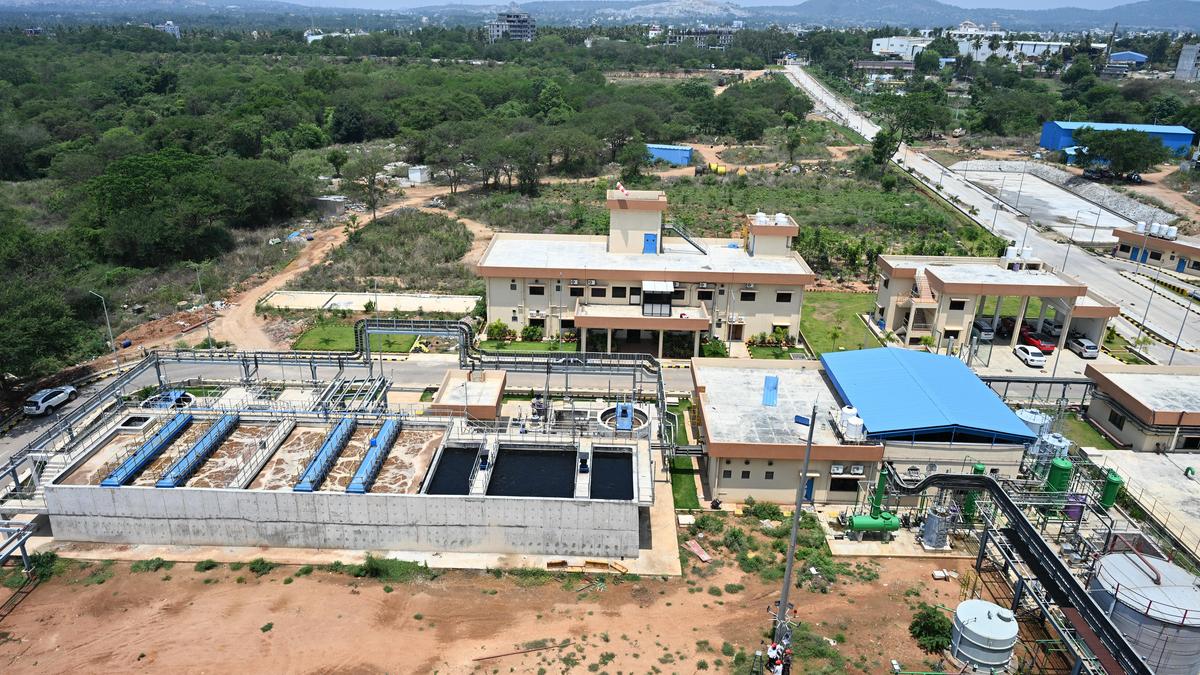
A: Waste-to-energy (WtE) is a technology to convert non-recyclable waste materials into usable fuel, typically heat or electricity. A common method is incineration in which trash is burned at a high temperature to boil the water off, creating steam that turns a turbine to generate power. Other methods include gasification, which uses a large quantity of heat with little oxygen to turn waste into gas, and anaerobic digestion, where bacteria break down organic waste to produce biogas.
The impact of WtE on the environment involves both benefits and drawbacks and is a subject of ongoing debate.
Waste reduction facilities can reduce the volume of waste by around 90%, significantly extending the life of existing landfills and reducing the need for new ones. By diverting organic waste from landfills, WtE can also prevent the release of methane, a potent greenhouse gas, into the atmosphere.
On the flip side, burning waste releases carbon dioxide and — especially in poorly controlled environments — pollutants like dioxins, furans, and heavy metals. Some contemporary facilities use advanced scrubbing and filtration systems to trap these toxins. Critics have also argued that WtE may discourage more sustainable practices like recycling and composting by creating a constant demand for trash.
India currently has at least 21 WtE plants in operation and 133 biogas facilities. The plants come under the purview of the Solid Waste Management Rules 2026, which mandate waste segregation and encourage refuse-derived fuel (RDF) in order to reduce the burden on landfills.


Srinagar youth share their aspirations and challenges in a PDP initiative, inspiring hope amid silence and despair, says Mehbooba Mufti.

State Highways Dept. begins ₹17.65-crore bridge project over Viruthasiri river, benefiting 28 villages in Ranipet district.

National Fibre scheme to integrate various schemes for natural and man-made fibres under Textiles Ministry

Mamata Banerjee is set to meet CEC Gyanesh Kumar to discuss concerns over the controversial Special Intensive Revision in West Bengal.

The Union Budget 2026-27 skips specificities and maintains continuity over short-term policy stimuli

Kerala CM Pinarayi Vijayan urges society to resist unscientific practices and promote rational thinking at the 38th Kerala Science Congress.

German innovation enhances Auroville's water supply with Atmosbox, a groundbreaking system extracting clean water from air.

Delhi Capitals secure playoff spot by defeating UP Warriorz, while Mumbai Indians are eliminated from the tournament.

BRS leaders criticize the Union Budget 2026-27 as unjust, claiming Telangana continues to be neglected by the central government.

Kerala urged to enhance neuro-inclusive travel through community support, certification, and resources for families with special needs.

Union Bank prioritizes home and education loans in Vizianagaram, supporting its growth as an educational and economic hub.

Infrastructure proposals in the Union Budget, including freight and industrial corridors and tourism projects, have triggered a political clash in West Bengal ahead of Assembly elections, with the BJP pitching development and the TMC calling the announcements political signalling.

To spread awareness of blood donation, educate people about its importance and encourage them to come forward to donate blood, Blood Donors Club of Madurai Medical College conducted a marathon, ‘Uthiram 26,’ in the city on Sunday.