What is mineral water and how does it naturally contain dissolved minerals?
The Hindu
Mineral water comes from a protected underground reservoir and retains the natural minerals it has acquired from geological processes over years, decades or even centuries; in India, tap water is drawn from rivers and borewells and disinfected with residual chlorine
Millions of people around the world drink mineral water every day because their tap water is unsafe or because they prefer the taste. It’s packed with naturally occurring minerals that support bone and muscle health and governments and health organisations promote it as a clean, reliable source of hydration.
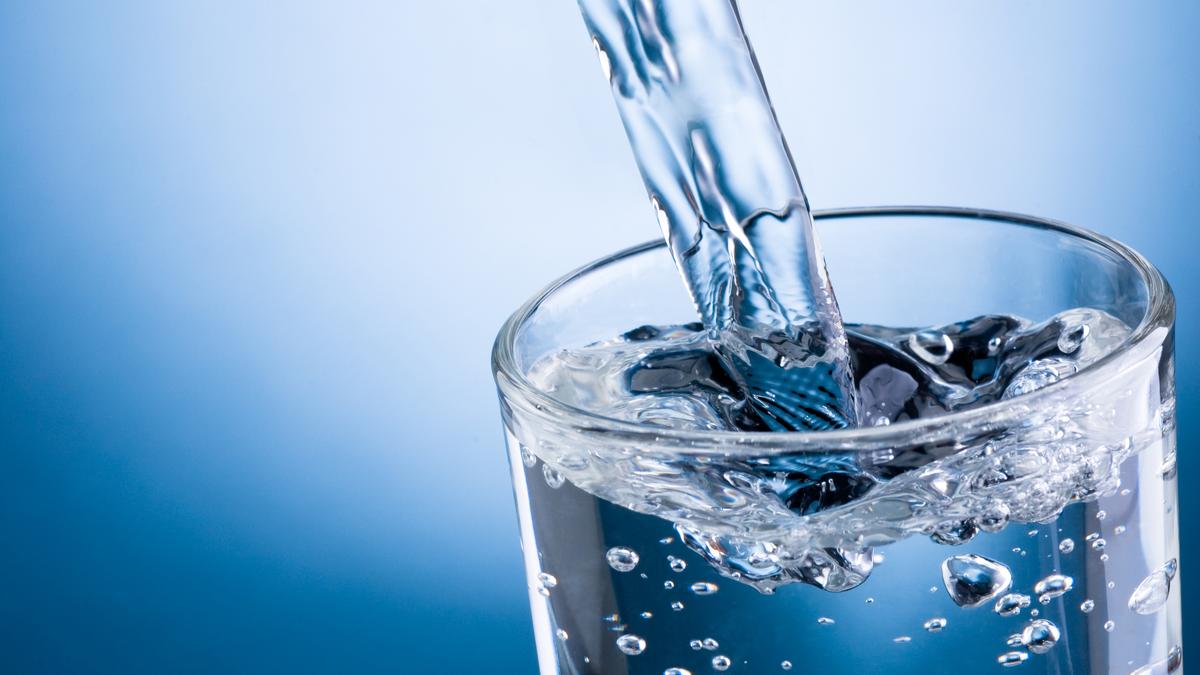
Mineral water is water that naturally contains dissolved minerals and trace elements. It comes from a protected underground reservoir, like a spring or aquifer, and has a specific composition of minerals. Unlike ordinary tap water, which treatment plants produce by filtering and purifying water drawn from rivers or groundwater, mineral water retains the natural minerals it has acquired from geological processes it has been a part of over years, decades or even centuries.
Also Read | Packaged water turns costly as raw material prices rise due to West Asia conflict
As rainwater and snowmelt slowly percolate through layers of limestone, granite, sandstone or volcanic basalt, the minerals from the surrounding rocks dissolve in the water, and the differences in pressure underground push this enriched water back towards the surface, where it emerges as a spring or collects in a subterranean reservoir. Producers then drill wells or tap natural springs and flow the water into containers, using pumps if required.
The U.S. Food and Drug Administration (FDA) and the European Parliament and the Council both have regulations that stipulate that mineral water must come from a geologically stable source, which producers must undertake to protect; that separate batches of the same water must have the same profile of minerals; and that producers must not chemically treat it to alter its mineral composition.
In India, the Food Safety and Standards Authority of India (FSSAI) and the Bureau of Indian Standards (BIS) stipulate that natural mineral water must come from underground sources such as natural springs and borewells, must be protected by various formations that ensure the water is free from pollution, and should ideally be collected in conditions that guarantee the original bacteriological and chemical composition.


76-year-old Kurian Jacob from Kerala triumphs with seven medals, including five golds, at the Open Masters Games in Abu Dhabi.

Can nations unite to protect the endangered Hudsonian godwit and address the challenges of climate change and habitat loss?

Discover the Minor Planet Centre, the key hub for tracking and verifying observations of small solar system bodies.

Discover the Minor Planet Centre, the key hub for tracking and verifying observations of small solar system bodies.

In this week's Science for All newsletter, XX explains

Test your knowledge with the quiz on Science films at the Oscars through history

Set between the Siwalik hills and the plains, Butwal offers travellers a mix of regional cuisine, pilgrimage trails to Lumbini and the comfort of Hyatt’s new hospitality landmark

Explore 2026's wallpaper trends in India, highlighting botanicals and handmade designs that enhance modern homes with nature-inspired aesthetics.

Mercedes-Benz CLA 250+ with EQ Technology review: design, performance, range and features explained. Discover how the new electric CLA combines advanced AI, long range, fast charging and futuristic styling for the next generation of luxury EVs.

AI tool for sparrow conservation

BTS’s comeback with ‘Arirang’ marks a major global music event. When does the album release, and where can you watch their concert live stream? We have all the details

The 2026 U.S. cholesterol guidelines urge starting screening and treatment at 30 to prevent cardiovascular disease effectively.

Olam Festival 2026 in Thiruvananthapuram returns March 27-29 with 120+ vendors, music, art, and cultural zones.