Troll toll
The Hindu
Gender Agenda newsletter: Troll toll
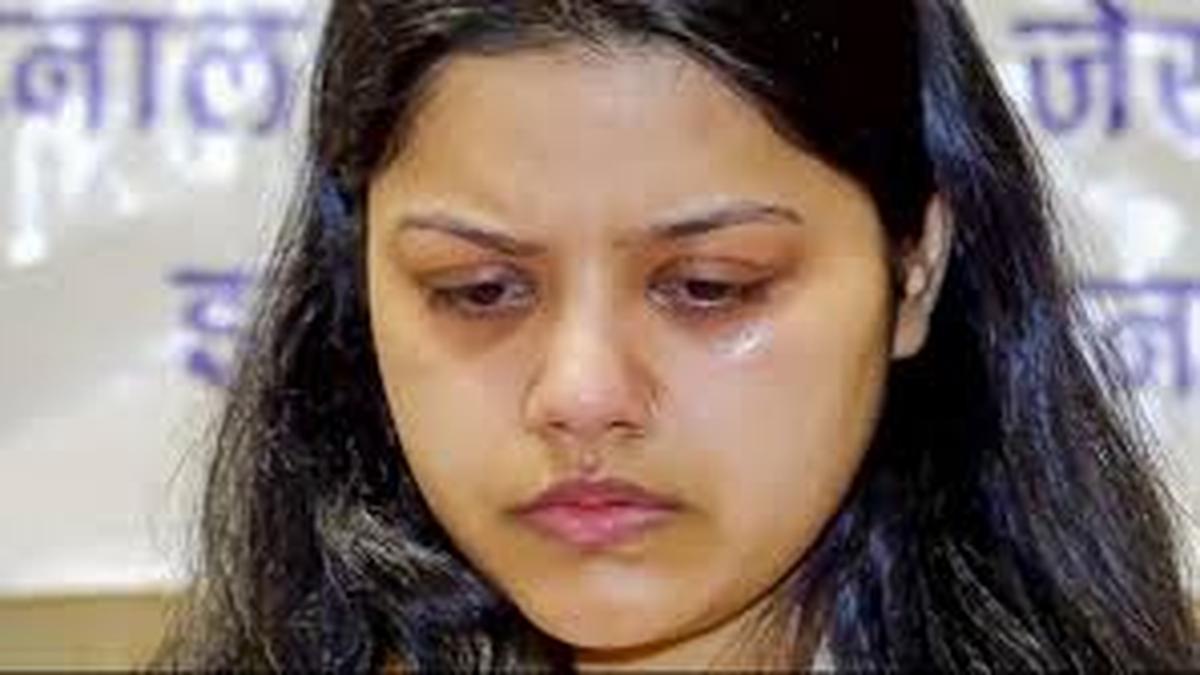
In just the course of a week, Himanshi Narwal has received an outpouring of love as well as a groundswell of hate from many Indians. Himanshi became the face of the Pahalgam tragedy after she was clicked sitting beside the body of her husband, 26-year-old Lieutenant Vinay Narwal, moments after he was shot dead by terrorists in the Baisaran meadows. The couple had been married for less than a week and were on their honeymoon. Her stunned face became a symbol of the carnage on April 22.
But days later, the sympathy quickly turned into rage. The attack in Pahalgam, which had been targeted at Hindu men, triggered Islamophobia and anti-Kashmiri sentiments — some Hindu right-wing groups attacked Muslim shawl sellers in Kashmir and some threatened Kashmiri vendors and students in other regions across India. Himanshi, resisting the weaponisation of her husband’s death, asked people not to target Muslims and Kashmiris. For pleading for peace, she was viciously trolled.
Around the same time, following the alleged sexual abuse of a minor girl, communal tensions spread in Nainital and protesters began vandalising the shops of the Muslim community. As a Newslaundryreport pointed out, after a brave woman, Shaila Negi, stood in the midst of the mob pleading for peace while also protesting against the “misogynistic slogans being raised against the victim”, she began to be targeted on social media.
The patriarchy toolkit dictates that when a woman says something unpalatable, inconvenient, or contrary to an aggressive narrative, she must be personally attacked. And so on cue, abusers swarmed over social media, accusing Himanshi of “being Hindu woke pro max” and of “having many Kashmiri M friends”; and demanding that Shaila be raped. With the storm of hatred only growing, the National Commission of Women put out a statement in support of Himanshi saying, “It is not right to troll a woman on the basis of her ideological expression or personal life.”
While men too get abused online, the nature of abuse of women is different and seeks to dehumanise them. As Manish Tiwari points out here, “While men may encounter misinformation and disinformation regarding their actions or duties, women face objectification, sexually explicit content and body shaming.” This has been the case for years, yet Big Tech’s continuing failure to curb the deluge of abuse against women is dismaying. As a result, even though the digital gender divide has narrowed in India, “a surge in gender-based violence (GBV), particularly tech-facilitated GBV, threatens to overshadow gains,” points out this piece.
Writer and Karla Mantilla called this the “gender trolling” of women. In her book Gendertrolling: How Misogyny Went Viral, she says it is becoming an increasingly common strategy of right-wing movements to keep women “in their place”.
But Himanshi and Shaila refused to be cowed down. Supported by countless women and men, they sought to double down on what they said and prevent the fanning of flames. As Gurmehar Kaur, the author of Small Acts of Freedom, said to Himanshi in an open letter: “In your darkest moment, you have protected what is most sacred about India: its soul.” And India’s soul is feminine: emotionally responsive, nurturing, and collaborative.


TMMK hosts special Eid prayers in Chennai, emphasizing peace amid ongoing West Asia conflicts and supporting those in need.

Telangana CM Revanth Reddy to inaugurate oil palm factory and release ₹3,590 crore for farmers on March 22.

Maharashtra aims to lead India's orange economy, positioning esports as a viable career for youth, says CM Fadnavis.

Civic group urges BMTC to tackle air and noise pollution from buses in Bengaluru, calling for immediate corrective measures.

Air India mistakenly deployed an unapproved aircraft for Vancouver, prompting a seven-hour return to Delhi.

Explore how murals in Kochi transform streets into vibrant canvases reflecting community, politics, and art beyond the Biennale.

Mamata Banerjee alleges unofficial President's rule in West Bengal, claiming a plot to strip citizenship and divide the state.

Man arrested for allegedly molesting a Malayalam actor in Kochi after repeatedly sending unwanted messages on social media.

Delhi experiences a temperature drop to 13°C with returning fog, while air quality remains satisfactory at AQI 94.

PM Modi and President Murmu extend Eid-ul-Fitr greetings, promoting unity, harmony, and compassion for a progressive nation.

Security forces in Manipur seized 29 firearms and 50 IEDs during operations amid ongoing ethnic violence.

A data jam on March 28 by OpenCity will have participants studying how the Assembly constituencies in and around Chennai are faring on a set of parameters

Matheesha Pathirana will miss the start of IPL 2026, while Harshit Rana's participation remains uncertain for KKR.