‘Tighee’: How Jeejivisha Kale shaped her Marathi debut feature
The Hindu
Filmmaker Jeejivisha Kale and producer Suhrud Godbole speak about ‘Tighee’, what inspired Jeejivisha to tell the story of siblings, her process of shooting emotional scenes, why Suhrud feels the need for more women filmmakers and more
It has been an emotional moment for debutante filmmaker Jeejivisha Kale as her Marathi feature, Tighee, is having a strong theatrical run. After a slow start when it was released on March 6, the film picked up momentum in the subsequent weeks as it was discussed, deconstructed and recommended across social media. Jeejivisha was overwhelmed when she was present during the film’s first houseful show. “To be able to see audiences reactions feels like a huge validation after the amount of hard work put into making the film. I hope every passionate filmmaker gets to experience this,” Jeejivisha says.
Producer Suhrud Godbole feels that the response to the film has been encouraging. “It shows that people are not interested in only one kind of cinema. Different stories can co-exist as well. The fact that Tighee is running successfully alongside Dhurandharis very reassuring,” he says.
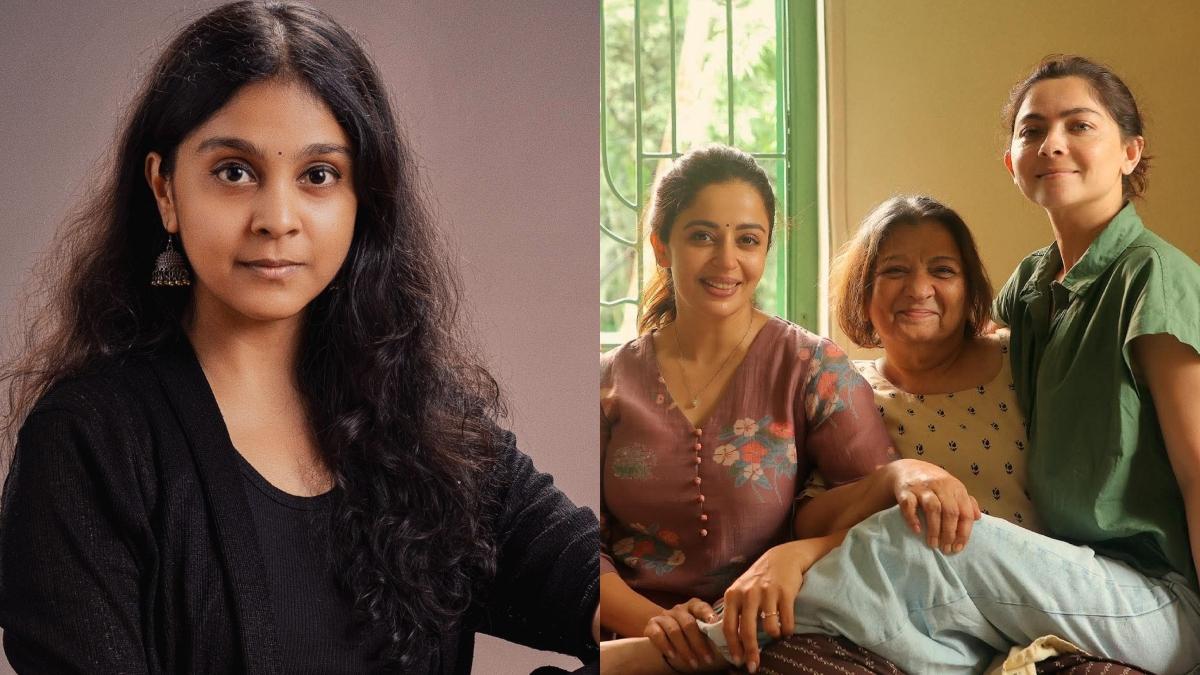
From left: Jeejivisha Kale, Neha Pendse and Sonalee Kulkarni | Photo Credit: Special Arrangement
At the heart of Tighee is a stirring relationship between two estranged siblings, Swati (Neha Pendse) and Sarika (Sonalee Kulkarni) and the tumultuous bond they share with their ailing mother, Hemlata (Bharti Achrekar). The screenplay, written by Nikhil Mahajan (also co-producer) with dialogues by Prajakt Deshmukh, delves into the ugly complexities of adult life as the daughters come to terms with the conflicted shadows of their past. Jeejivisha got the initial idea for the film when she was on her first solo trip in 2024. This was a time when she was actively thinking of stories to tell, after having assisted in Marathi films like, Jaundya Na Balasaheb, Vazandar: Biggie and Vaalvi. There was a sense of “readiness” that she felt within.
“Somewhere I knew that I wanted to explore the story of siblings because I am a single child myself and so is Nikhil. So, our gaze towards siblings is that of observation. I have been able to witness a lot of siblings up close, as they lived their lives while I looked along from the outside. I would also often think what if I had a sibling, an elder sister, in my life too?”, Jeejivisha says.
The story of the siblings is told with a moody reverberance as the gloomy bearings of rain becomes part of the film’s aesthetics, reflecting the emotional out-pours of the characters, who find themselves consumed with the burdens of being. “We knew that rain was part of the film from the screenplay stage as it features cloudy relationships with the story moving towards clarity. Further, all the crew, whether it was the cinematographer or sound designer, were on the same page with respect to the emotional exploration of the story. And once we all know what we are trying to say, the job is just to execute it,” says the fimmaker.


Disney's live-action Moana trailer reveals Dwayne Johnson as Maui, showcasing iconic moments ahead of the film's July release.

Aamir Khan’s sports comedy-drama Sitaare Zameen Par will be released on Sony LIV on April 3, the streamer announced on Monday, March 23, 2026. Directed by RS Prasanna, the film was released in theatres on June 20 last year.

Artist Kapila Nahender explores notions of belonging, growth and memories in her show Pockets of Resistance

BTS's comeback concert in Seoul drew over 100,000 fans, featuring their new album "ARIRANG" and a global livestream.

Prasads Multiplex Hyderabad unveiled one of India’s largest HDR cinema auditoriums, the PCX HDR by Barco

From staged funerals to rented fatherhood, Brendan Fraser turns rented intimacy into something disarmingly real in Hikari’s poignant Tokyo fable

Meet Nivrritii Mahesh, a Bharatanatyam dancer who dances with Cochlear implants

In a surprising turn of events, Urvashi theatre, one of Bengaluru’s iconic single screens, has re-opened, with the much-talked-about Dhurandhar: The Revenge running to a full house in the theatre. After the expiry of the 45-year lease, it seemed like curtains would come down on the king-size theatre but for now, it’s good news for fans.

The thrilling ‘Peaky Blinders’ finale is a farewell tour tailored for Tommy Shelby, while passing the baton to a new generation

BTS's comeback concert in Seoul drew over 100,000 fans, featuring their new album "ARIRANG" and a global livestream.

Khalid Rahman is reuniting with Malayalam superstar Mammootty after Unda (2019). The Thallumaala director has teamed up with the veteran for Mattancherry Mafia.

Bollywood actor Akshay Kumar paid tribute to the martial arts grandmaster and Hollywood’s action star, Chuck Norris, who passed away on Thursday, March 19, 2026.

Renowned Odissi dancer Madhumita Raut, aged 59, dies of cardiac arrest, leaving behind a legacy of artistic achievements.