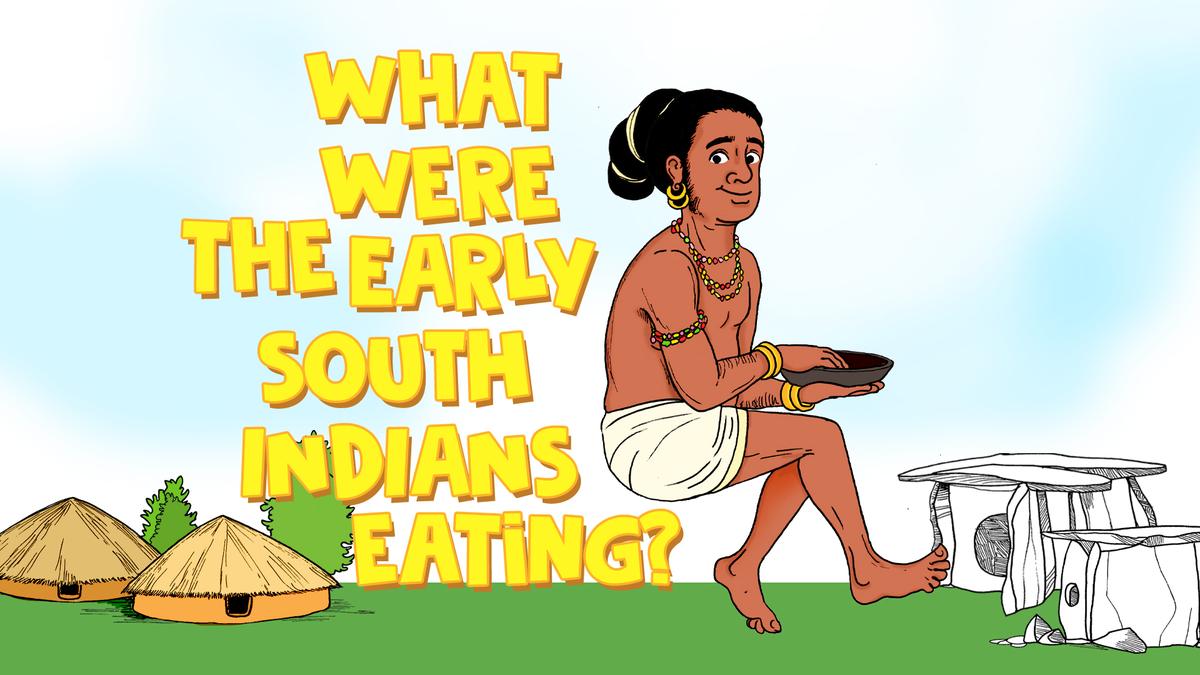
This new video series explores India’s past through food
The Hindu
Indian History, Thali by Thali, an initiative of the Historically Tempered Collective, allows experts to talk about a number of things food touches on, including gender, class, caste and hierarchies
What were the people of Harappa possibly eating over four-and-a-half thousand years ago? Evidence suggests millets, garlic, ginger, brinjal, peas, lentils, bananas, grapes, mangoes, turmeric, walnuts, meat and fish, say archaeologists Supriya Varma and Jaya Menon in the first episode of a new video series titled Indian History, Thali by Thali.
The series, an initiative of the Historically Tempered Collective, is an attempt to “start a conversation about history with something as basic as what you are eating,” says Meera Iyer, convenor at INTACH Bengaluru chapter, who is part of the collective with historian Janaki Nair, author and educator Saisudha Acharya and educator Ajay Cadambi.
The 15-episode series, which was formally launched last week at Sabha BLR, closely examines how food shapes culture, hierarchies, religious rituals, and global trade, given that India is “this madhouse about food. It is so complex, hierarchised and divided, that one can talk endlessly about a large number of themes, just using food as the peg,” says Nair.
Ruins of the Harappan city, Dholavira | Photo Credit: Getty Images/iStockphoto
The idea for this video series sparked around two years ago, after Iyer, Cadambi and Acharya attended a course that INTACH had organised with Janaki titled ‘Understanding Contemporary India’. “It was Ajay Cadambi who kicked off that conversation because he said we have so many interesting materials and resources for teaching American and European history, but we don’t have them in India. So, I said, let us make them,” recalls Nair. And turning to videos was an obvious choice because “we felt the video form was accessible,” says Cadambi.
The videos also seek to shift the discourse away from viewing India’s ancient history almost exclusively through the lens of a glorious ancient India, something Nair finds tiresome. “Both anti-colonial nationalism and current-day ethno-nationalism need history in particular ways, but we are not interested in nationalist discourses,” she says, pointing out that there are ways of thinking about the history of ordinary people in lively and interesting ways, which is history as an argument about the past.


Assembly polls 2026: Follow updates from The Hindu on the upcoming elections in five States on March 24, 2026

Delhi's per capita income is projected to grow 7.09% by 2025-26, highlighting the city's economic progress and infrastructure challenges.

Review meeting held in Dharmapuri with election observers and nodal officers to discuss upcoming Assembly elections.

Execution of development projects, infrastructure augmentation to occupy centre stage in electioneering

Telangana Cabinet approves Hate Speech and Parents Support Bills, ensuring accountability for neglecting elderly and curbing hate-driven offences.

EU and Australia finalize a free trade agreement and establish a new defense partnership to enhance economic and military cooperation.

U.S.-Israeli war on Iran LIVE: Iran faces deadline of US President Donald Trump warning to open Strait of Hormuz. Follow The Hindu for more LIVE updates on March 23 2026 on Iran-Israel war.

KPCC chief Sunny Joseph emphasizes UDF's focus on Sabarimala and corruption while expressing confidence in winning Kerala's upcoming Assembly elections.

A military plane crash in Colombia leaves 125 aboard, with at least 48 survivors rescued amid ongoing recovery efforts.

‘Symposium’, a new platform to promote lifelong learning and counter misinformation among youth, was launched in Hyderabad.

By using TB as an entry point, integrated healthcare delivery can optimise and improve public health efficiency

Residents of Chettichavadi express concerns over deteriorating groundwater quality due to long-standing garbage dumping issues in Salem West.

Community Health Officers in Vijayawada protest for reduced workload and continued incentives amid growing dissatisfaction over salary changes.