The Shahed Problem: Mapping Iranian Breaches across US Defences
India Today
India Today's OSINT team maps the damage to communication and radar-related infrastructure across at least seven countries in the region that host US military bases by Iranian strikes.
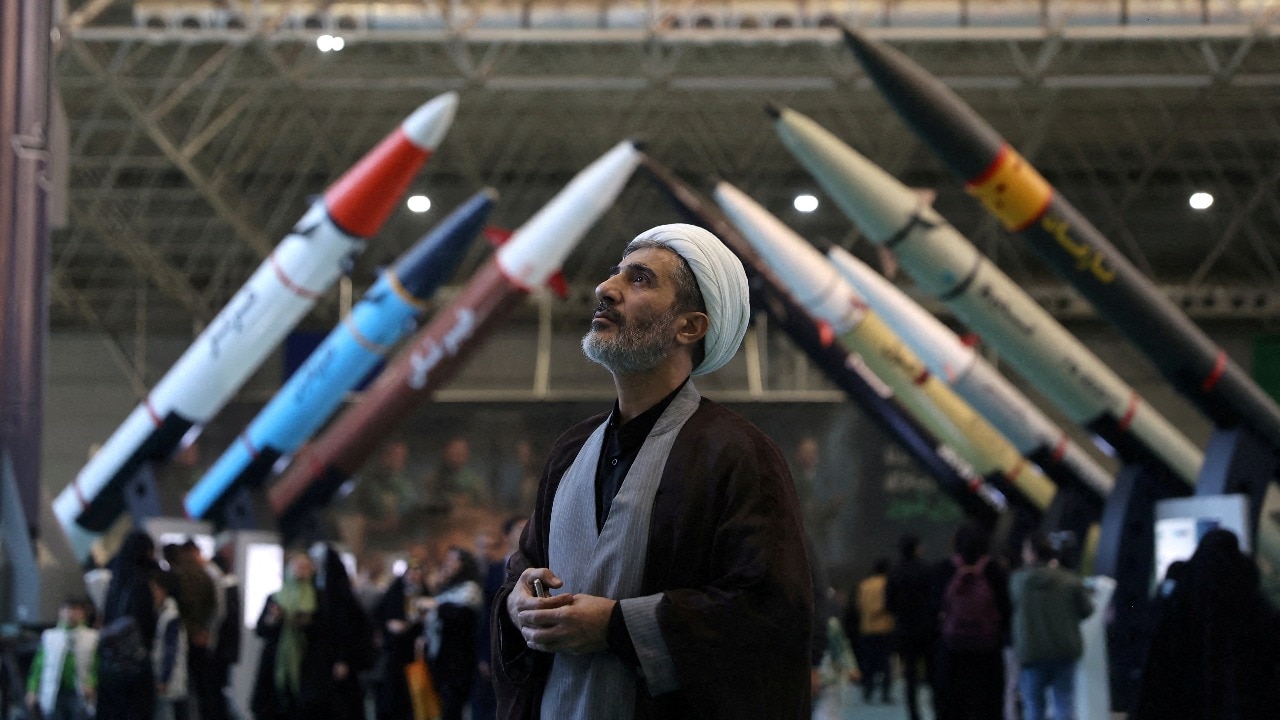
Despite sustaining heavy losses at sea, Iran's offensive in the ongoing West Asia conflict continues to rely heavily on projectile saturation, particularly through the use of Shahed 136 drones. These loitering munitions have emerged as a central component of Tehran's strike pattern, repeatedly testing the air defence networks operated by the United States and its regional allies.
Western media reports suggest that Iranian strikes have damaged communication and radar-related infrastructure across at least seven countries in the region that host US military bases.
An examination of these claims by India Today's Open Source Intelligence (OSINT) team, using satellite imagery, geolocation data, and publicly available assessments, indicates visible damage to structures linked with radar domes, satellite communication terminals, and related support infrastructure at several Gulf-based facilities.
The findings point toward a pattern of strikes that appears designed less for "precision destruction" and more for stressing the communications backbone that enables regional air defence coordination. The repeated use of relatively low-cost Shahed 136 drones highlights a broader contest between inexpensive mass-deployed systems and high-value interceptor-based defence networks.
How Iranian Drones Are Stressing US Air Defence
Although US President Donald Trump has claimed that America’s munitions stockpiles have "never been higher or better" and even suggested that wars could be fought 'forever' using these supplies, reports, analysis, and expert assessments suggest otherwise. Interceptors used in systems such as THAAD, Patriot, and Aegis are already under significant strain amid the ongoing wave of drone and missile attacks. If the current pace of engagements continues, the question may increasingly arise whether the United States could exhaust its air defence interceptors before Tehran runs out of drones and missiles.


Over the past week, social media has been abuzz with rumours claiming that Israeli Prime Minister Benjamin Netanyahu was killed in an Iranian missile strike. However, there remains no credible evidence. It coincided with his reported absence from cabinet meetings. However, Israel has released videos and images to assert that Netanyahu is alive.

Norwegian Ambassador May-Elin Stener shared pictures of her travelling on the Delhi Metro for the first time in a now-viral post on social media.


Trump claimed Iran's retaliatory strikes on Gulf nations were unexpected. But intelligence reports and experts had warned in advance that Tehran could escalate by targeting regional countries.

Sri Lanka has moved to a four-day work week to conserve fuel as the Middle East war disrupts oil supplies through the Strait of Hormuz, while Bangladesh has begun rationing fuel and Pakistan has shifted offices to remote work to ease an emerging energy crunch.

The story began with America as Iran's saviour but ended with America as its Satan. The rivalry written over decades in oil and blood is catastrophically being settled with fire that can singe the world.

According to a report by The Telegraph, Israeli ballistic missiles struck the compound soon after Mojtaba left the building, killing Ali Khamenei along with dozens of senior officials and relatives.

Trump demanded warships. He threatened allies. He warned NATO of a very bad future. The whole world watched, nodded politely, and walked away. Here is exactly what that means.

An incident involving a promotional robot in Macau has raised safety concerns after a woman was startled, prompting police intervention and renewed focus on robotics in public spaces.

Laylatul Qadr is considered one of the holiest nights in Islam. The Night of Decree, when Muslims keep up late into the night for prayers, is different this year. It is a sombre Laylatul Qadr night amid fears for life and safety amid the US-Israel-Iran war in the Middle East.

A group of Rajasthani folk artists delivered an impromptu musical performance during a security screening at Jodhpur Airport.

The newspaper, citing officials familiar with the conversations, said the Saudi leader has been in frequent contact with Trump during the conflict and encouraged him to "keep hitting the Iranians hard" as the fighting intensifies across the region.

A video showing a woman holding a child near a moving train window for him to urinate has gone viral, stirring public outrage over safety risks.