Spotlight: Sandalwood: An expensive fragrance
The Hindu
Explore the challenges and potential revival of India's sandalwood industry amidst high demand and economic shifts.
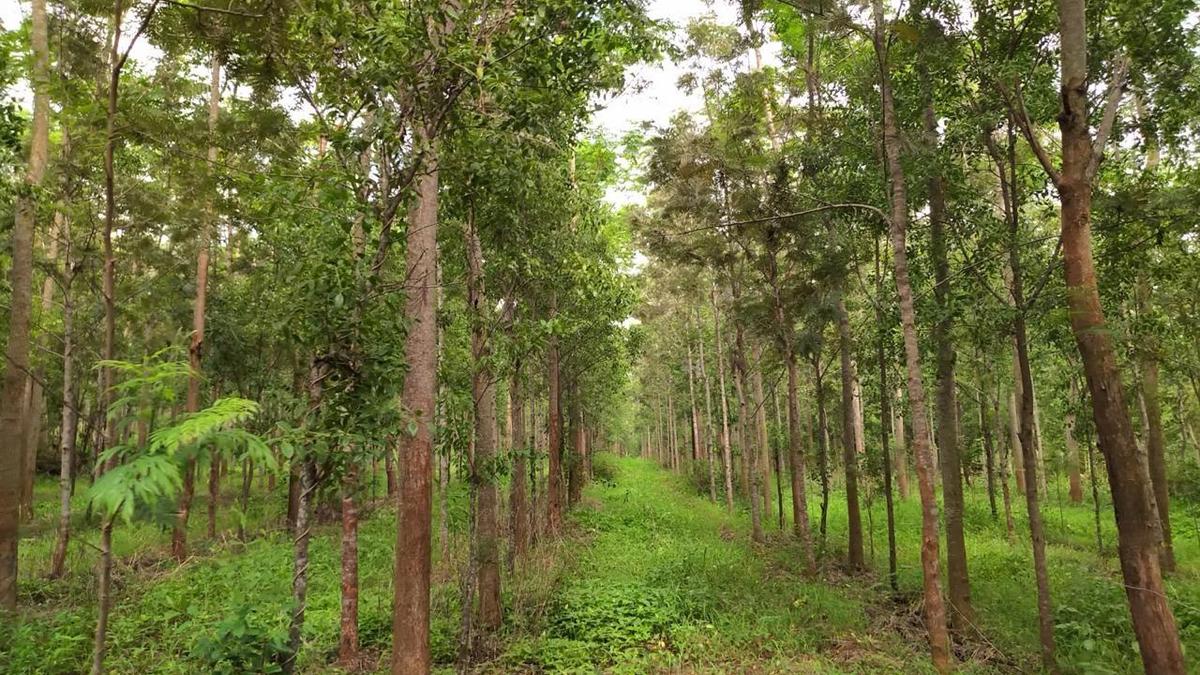
On February 10, high drama ensued near Vidhana Soudha when a farmer from Chikkamagaluru, T.N. Vishu Kumar, carried a machete and severed a few branches of sandalwood trees planted near the legislative building.
The act was a form of protest against the National Highways Authority of India (NHAI), which had begun felling sandalwood trees cultivated by Vishu at Haliyur in Tarikere taluk of Karnataka. The land had been notified for clearance to build National Highway 206 (Shivamogga–Tumakuru).
“It is unbearable for authorities to see a few branches being cut, but, at my home, they killed over 100 trees that I nurtured for 14 years. How must I feel then?” Vishu asked.
He further stated that while the NHAI had notified the clearance of 2,148 trees on his farm, the compensation had not been decided fairly. He claimed that he ought to be compensated over ₹100 crore, whereas he was being offered only ₹1 crore.
His argument is based on the sustained and steadily rising demand for sandalwood over the decades.
Globally, the estimated annual demand for sandalwood stands at 5,000 to 6,000 tonnes, according to a recent report by the sandalwood development committee (SDC) set up by the Union Government. Meanwhile, global data indicates that sandalwood prices increase by at least 20% annually.


PSMO College hosts a historic reunion of 57 alumni serving as political leaders, celebrating their contributions to public service.

Explore Periyar's controversial views on Tamil as a "barbaric language" and their implications for cultural identity and progress.

Explore the importance of early dental visits in preventing tooth decay and fostering lifelong oral health in children.

Gang of four arrested for stealing ₹40 lakh worth of silver ornaments from a jewellery merchant in Tirupattur.

Karnataka travel operators urge tax relief and cess rollback to boost tourism and transport sectors in pre-budget memorandum.

Students showcased over 150 scientific exhibits at Bharatiya Vidya Bhavan's fair, celebrating National Science Day and Sir C.V. Raman.

Delhi HC seeks lawyer's response on Mahua Moitra's plea for shared custody of her pet dog, Henry.

Explore the role of AI in healthcare, emphasizing patient rights, health equity, and the importance of human care.

Deceased policeman's family receives ₹1 crore insurance claim in Coimbatore

448 students from Tamil Nadu's Government Model Schools qualify for JEE Mains, showcasing exceptional academic achievements and support.

The Kapaleeswarar Temple's gopurams are now illuminated in vibrant colors, enhancing its architectural beauty for visitors.

Ongole celebrates Chhatrapati Shivaji Maharaj's 396th birth anniversary with tributes and speeches honouring his legacy and bravery.

The International City Parade in Vizag attracts thousands to Beach Road, showcasing stunning aerial displays and international naval performances.