Sickle Cell patients growing in tribal pockets of undivided Visakhapatnam district, says expert
The Hindu
Sickle Cell Disease research in tribal areas aims to raise awareness and improve treatment facilities for affected individuals.
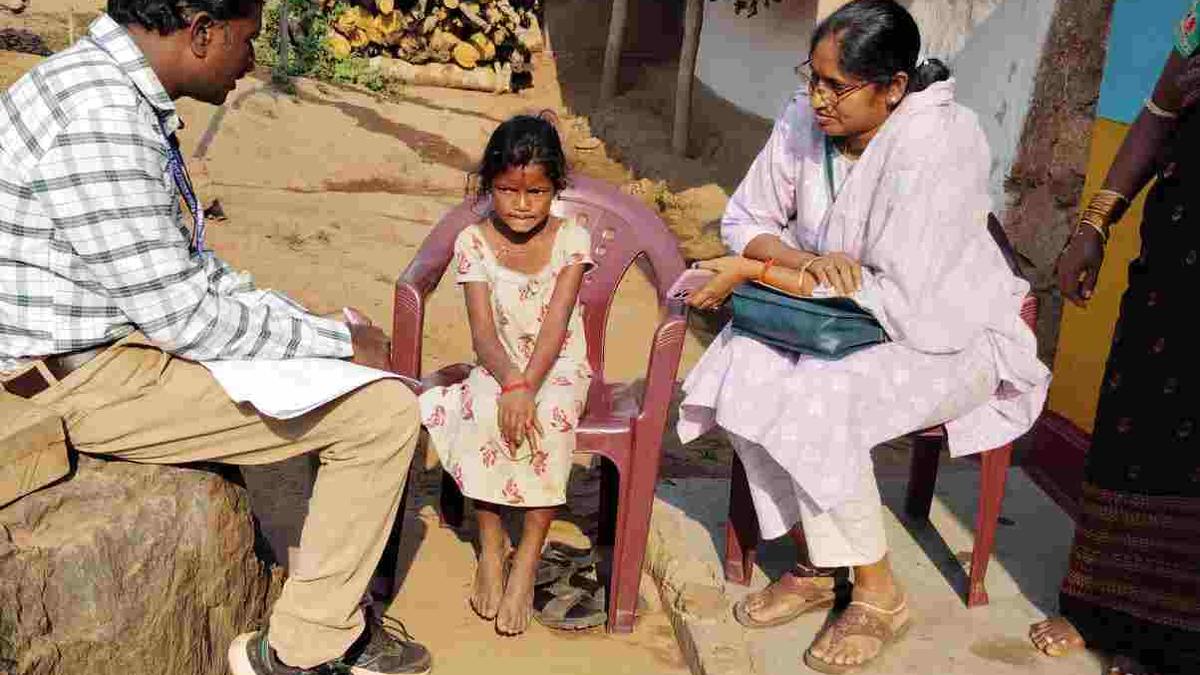
Sickle Cell Disease is prevalent among the tribal people, particularly those living in the Agency areas of Alluri Sitharama Raju district, according to Paripandla Sridevi, an Associate Professor in the Central Tribal University, Vizianagaram.
An estimated 1% of the total population has SCD, and 4% are carriers of the sickle cell trait, Prof. Sridevi said on the eve of World Sickle Cell Day, which is observed on June 19 every year.
Prof. Sridevi has been conducting research in the tribal areas of the undivided Visakhapatnam district in the North Andhra region, for the past three years.
The research is being conducted as part of the ICMR–National Task Force Project, which has been going on for the past seven years.
The SCD is caused by sickle cell gene, a defective one which looks like a sickle.
People affected with the disease are born with two sickle cell genes—one from each parent. Those born with one sickle cell gene, called sickle cell trait, are generally healthy, but they can pass on the defective gene to their children, she said.
“Initially, Prof. Sudhakar of the Department of Human Genetics, Andhra University, has worked on the project. Then I worked on the same project in Madhya Pradesh. I have been working on the project for the past three years at Gannela, Madagada and Paderu of ASR district,” Prof. Sridevi told The Hindu.


Explore the Gandhi Bunakar Mela in Vijayawada, showcasing traditional textiles and supporting handloom weavers until March 31.

MDMK leader Vaiko announces a movement to remove Prosopis juliflora trees in Tamil Nadu following a landmark High Court directive.

Lok Sabha Speaker Om Birla emphasizes the importance of Question Hour over meetings and urges decorum during obituary references.

Karnataka approves 300-bed Puttur Government Medical College Hospital project, enhancing healthcare in the coastal region.

Explore the court challenge to MGR's Andipatti election, focusing on the legality of his oath-taking process.

Forest, Ecology and Environment Minister Eshwar Khandre on Wednesday instructed forest department officials to ensure maintenance of elephant trenches and hanging solar fences, which have been installed in Kodagu district to control human-elephant conflict.

Humayun Kabir's Aam Janata Unnayan Party will contest 182 seats, challenging Mamata Banerjee in Bhabanipur with a Muslim candidate.

Justice Swaminathan adjourns contempt hearing until April 9, expressing frustration over manipulation in the Thirupparankundram case.

Hyderabad's LGBTQIA+ community protests against the Transgender Persons Amendment Bill, advocating for trans rights and human dignity.

Sharmila criticizes Avinash Reddy's remarks on Viveka’s murder, calling Jagan a disgrace and questioning his leadership and support.

All the three major political fronts appear to be drowned in indecision when it comes to officially declaring their candidates for the prestigious Thiruvananthapuram Assembly constituency.

BJP protests for MCC council elections, claiming mismanagement and corruption, threatens to escalate protests if demands are unmet.

Hyderabad Collector assures no LPG shortage, urges residents to avoid panic booking and trust available supplies.