‘People are doing a lot of unethical and damaging things in the name of biohacking’
The Hindu
Dr Prarthana Venkatesh, the founder of nutraceutical brand Longevita, talks about the inspiration behind the brand, why the longevity discourse is now exploding and how modern medicine is tackling aging
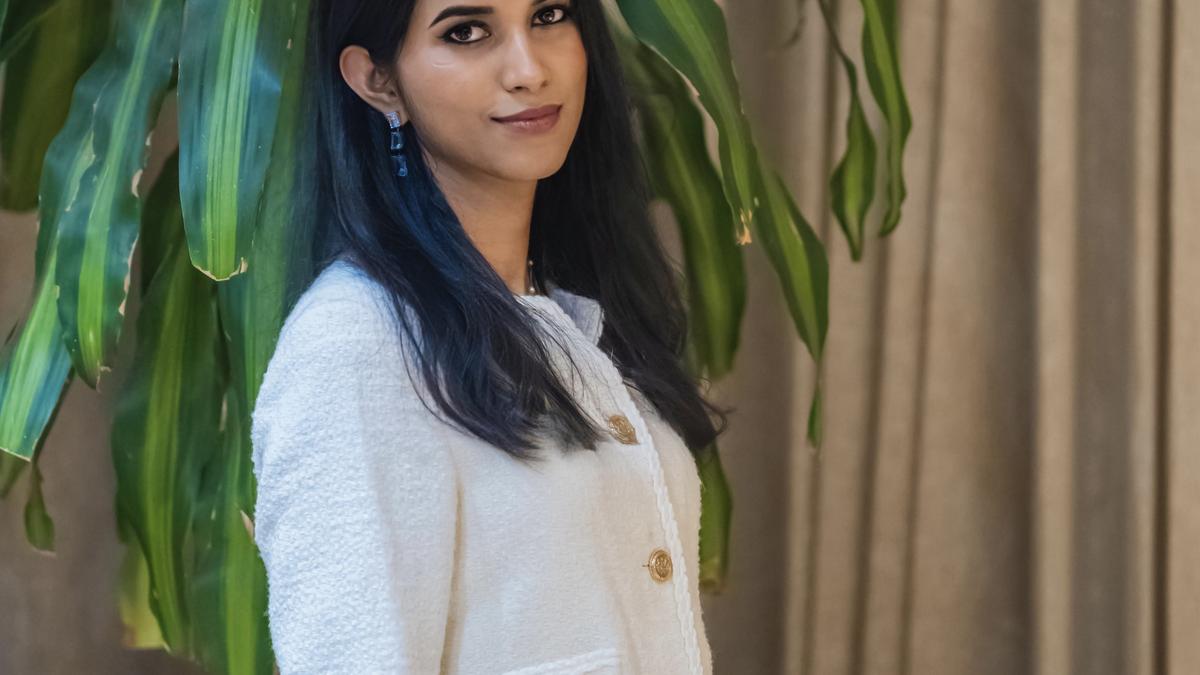
Dr Prarthana Venkatesh describes the first year of her work, right after she graduated from med school back in 2020, as “a life-changing time.” Still only 22 back then, she would find herself constantly confronted with “a lot of preventable deaths,” says Prarthana, who shuttles between Chennai and the UK and has recently launched Longevita, a health and wellness start-up rooted in longevity science.
This experience, she says, got her thinking about issues in the larger healthcare system and what could be done about it. “That is when my research and interest in longevity started…with the principle that any preventable deaths or deterioration in health should be something we focus on before it gets to this point.”
According to Prarthana, to get to the root of any health issue, the focus must be at the cellular level. “Everything that deteriorates on a cellular level, as you age, is linked to cancer, to neurogeneration, to cardiometabolic issues.” The time-tested way to live a healthier life—eating mostly whole foods, exercising regularly, getting adequate sleep, and having strong social networks—remains the same. “What I have learnt in the last few years of my longevity practice is, yes, the basics are lifestyle,” she agrees.
Having said that, she also feels that this is the first generation to know so much about ageing pathways and ageing science. “That is partly why longevity science is blowing up so much right now. We have such a great understanding of these mechanisms, and so the question becomes how are you fixing and targeting that,” she says, adding that it is extremely difficult to target these specific pathways and prevent degeneration with lifestyle alone. “Once you understand the science, it is very intuitive to want to target these scientifically-proven pathways. Also, there is a lot of safe research around these molecules,” she says.
Prarthana spent her early years in Myanmar, where her parents, both doctors from Chennai, had moved to around 30-odd years ago. Growing up in “a country with one of the worst healthcare systems in the world” kick-started her interest in healthcare, she says. “Doctors in Burma have very poor training as a result of political and social circumstances. So, from a very young age, I observed how anyone who could afford it left the country for healthcare.”
Prarthana went on to pursue medicine in the UK, graduating at the top of her class and began training in cardiac surgery at St Thomas’ Hospital in London. “I was progressing at a pretty fast rate and had great surgical mentors, but I also realised that it would be another eight to 10 years of doing the same operations again and again,” she says. Additionally, the limitations of the NHS system began bothering her. “It was inefficient, and so I began thinking about prevention instead. I thought of doing something that had a wider impact on people’s health via preventative medicine.”


Bengaluru police launch a special drive to curb reckless riding after doctors' alcohol-fueled road incident raises concerns.

Five queer activists discuss the repercussions of the Trans Amendment Bill 2026 on dignity and identity within the community.

Former Chief Minister Narayanasamy opts out of Puducherry Assembly elections to maintain alliance harmony amidst seat-sharing talks with DMK.

Dr Prarthana Venkatesh, the founder of nutraceutical brand Longevita, talks about the inspiration behind the brand, why the longevity discourse is now exploding and how modern medicine is tackling aging

Ponmudy seeks Madras High Court's intervention to dismiss BJP councillor's complaint over alleged derogatory speech against religious groups.

Congress leader K.C. Venugopal alleges corruption in Kerala's bar license renewals, accusing CPI(M) and BJP of unethical collusion ahead of 2026 polls.

Bengaluru police arrest three in a money-doubling fraud, recovering ₹40 lakh and uncovering additional victims.

AIADMK faces perception challenges and electoral setbacks in Tamil Nadu, struggling to maintain its traditional stronghold and voter base.

K. Ashok appointed Executive Director of BHEL Tiruchi, succeeding S. Prabhakar after 36 years of experience in the company.

Garbage collection resumes in Bengaluru amid contractor disputes over payment delays and new waste segregation rules by BSWML.

Delhi High Court rules universities cannot restrict peaceful expression of dissent, emphasizing the importance of independent thought and discourse.

Mettur Dam's water level is at 82.83 feet, with an inflow of 384 cusecs and discharge of 800 cusecs.

Lebanon expels Iran's ambassador, declaring him persona non grata, while maintaining a Charge d'Affaires at the embassy.