No evidence of increased efficiency due to mechanisation of sewer cleaning, Centre tells LS
The Hindu
Centre reports no evidence of increased efficiency from sewer cleaning mechanisation; highlights deaths, complaints, and caste issues in sanitation work.
The Union government is yet to identify any measurable indicators to show the enhanced efficiency or productivity resulting from the mechanisation of sewer and septic tank cleaning, it told the Lok Sabha on Tuesday (March 17, 2026), in response to a question about the progress of the NAMASTE mission to mechanise sanitation work across the country and prevent deaths from hazardous cleaning.
The government added that it had no information about the income rise among sanitation workers since the mission started in 2023-24.
In response to another question, the government said that 622 people across India had died due to hazardous cleaning since 2017. It added that, in 2025, the National Commission for Safai Karmacharis received 842 complaints from sanitation workers about “non-payment of wages, denial of safety equipment and caste-based discrimination”.
The Union Ministry of Social Justice and Empowerment was responding to multiple questions about the progress of the National Action for Mechanised Sanitation Ecosystem (NAMASTE) scheme and the status of those employed to clean sewers and septic tanks.
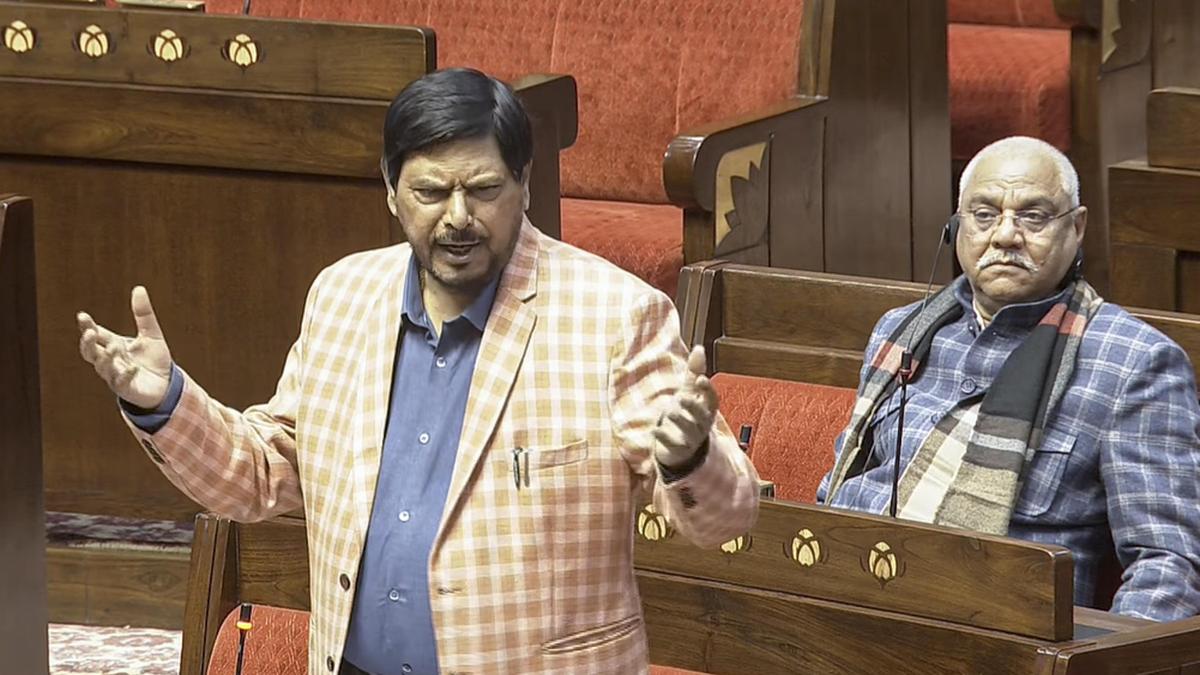
In response to a question from Janata Dal (United) MP Dileshwar Kamait, Minister of State for Social Justice Ramdas Athawale said that over 89,000 sewer and septic tank workers (SSWs) had been identified and validated by various urban local bodies in the country under the scheme. Parliament data from December 2025 showed that 85,473 PPE kits were distributed, and over 71,000 of them had been covered under Ayushman Bharat.
The Ministry of Housing and Urban Affairs is also involved in funding used water treatment operations in urban local bodies with a population under 1 lakh, including support for the mechanisation of sewer and septic tank cleaning operations. Under the Swachh Bharat Mission-Urban 2.0, launched in 2021, the Centre allocated ₹15,926 crore for this, with action plans approved for projects worth ₹13,699 crore.


MLC Kishore Kumar Puttur criticizes the State for poor implementation of the Centre's health scheme for senior citizens.

Karnataka's Health Minister announces redeployment of specialists to taluk hospitals to reduce neonatal mortality rates effectively.

Celebrate IPL's start and Polly Umrigar's legacy, reflecting on cricket's evolution and the enduring impact of its pioneers.

BJP accuses Congress and Rahul Gandhi of endorsing an ‘anti-India’ USCIRF report undermining India's global image.

Education Ministry proposes UGC-like funding under Shiksha Adhishthan, raising concerns about centralization and public university financing.

Shivraj Singh Chouhan defends the new rural jobs Act, dismissing opposition protests as ineffective and highlighting increased funding and worker protections.

Supreme Court questions why heirs can't access unclaimed funds of deceased depositors, urging government to develop a disclosure policy.

Karnataka High Court demands LPG supply details amid state restrictions, threatening Bengaluru's restaurants and livelihoods.

Shorts News:UN body investigating deadly strike on Iranian girls school

Moodbidri police inspector suspended pending inquiry over allegations of misbehaviour and inappropriate conduct towards women.

The State currently hosts more than 880 GCCs, up from around 500 GCCs in 2021.

Transgender and intersex activists march to Lok Bhavan, protesting the regressive Transgender Persons Bill and demanding its withdrawal.

Hyderabad's LGBTQIA+ community opposes the Transgender Amendment Bill, stressing dignity over identity verification and highlighting economic and medical concerns.