No better time to reform RTE Act implementation
The Hindu
Recent delay in opening the RTE Act admission portal sparks discussion on implementation and funding issues in India.
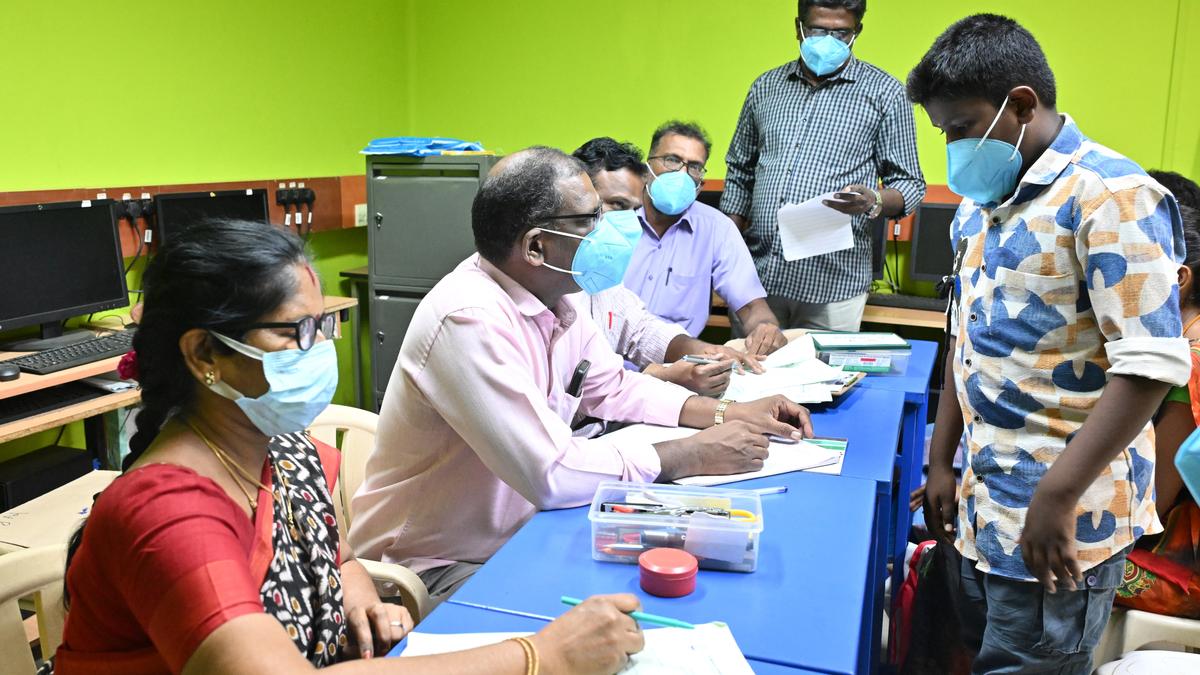
A recent furore over delay in opening the admission portal for Right to Education Act for the academic year 2025-26 has not only informed people about the existence of such an Act but it has also opened up a discussion for the regulation of the Act and its implementation.
The Right to Education (RTE) Act, enacted in India on August 4, 2009, guarantees free and compulsory education for children aged 6 to 14.
While the portal would usually be opened by mid-April and the admission process would end by May, the unusual delay of over a month has put the parents waiting for admission under RTE, at a crossroads.
Despite facing dilutions, under RTE, a considerable number of students looking for education in private schools benefited, but the recent developments in the centre-State conflict in releasing fund meant for school education have directly affected the admission processes.
Though the School Education Minister Anbil Mahesh Poyyamozhi recently said that he had written a letter to the Centre seeking details about the pending dues under the RTE Act, the State announced that it would bear the Centre’s dues too.
As the Madras High Court was hearing a case pertaining to the delay in admissions under RTE Act, based on a petition filed by V. Eswaran, an administrator of the Coimbatore-based organisation Marumalarchi Iyakkam, the court has directed the Union Government to submit details of funds due to Tamil Nadu under the 25% reservation quota mandated by the RTE Act.
Anand Raj, a social activist based in Madurai, said that a Right to Information Act reply from the State government regarding the fund released by the Union government for the RTE Act from 2009-10 till 2018-19 revealed that while ₹20,300 crore was to be released, only ₹8,446 crore was released.


Over 22 lakh job seekers in Rajasthan face no government placements in five years, reveals RTI data.

Conservationists urge the government to halt eco-park development at Ooty Race Course to protect the wetland ecosystem.

Kollam court convicts Sandeep for the murder of Dr. Vandana Das, sentencing expected on March 18, 2026.

Couple arrested for drugging hospital patients and stealing gold by posing as medical professionals in Hyderabad.

United People’s Party Liberal exits NDA, citing ideological differences with BJP, as it prepares for Assam Assembly elections 2026.

Convict Yuvaraj petitions to reopen DSP Vishnupriya's death case, alleging improper investigation by police officials in Namakkal.

Railway recruitment exam postponed due to Karnataka Rakshana Vedike protests demanding inclusion of Kannada language for local candidates.

Jagga Reddy best choice for TPCC chief post, says Komatireddy

Workday on Tuesday (March 17, 2026) announced the global rollout of Sana, a new suite of AI capabilities the company is describing as “superintelligence for work.”

Concerns arise over Chabahar Port's future due to recent developments and U.S. sanctions, warns parliamentary external affairs committee.

Flying squad seizes TVK-stickered utensils in Namakkal; police file case against youth wing secretary Madeswaran

PMK president Anbumani Ramadoss criticises DMK for rising crimes against women and children, urging voters to prioritize safety.

Join the 'Clean Kodagu-Beautiful Kodagu' campaign promoting cleanliness at pilgrimage and tourist spots across Kodagu district.