No Agenda Space: a movement of silent companionship growing across India Premium
The Hindu
Women across India are creating safe, silent spaces for each other to exist without expectations or labor demands.
In late March, Rakshitha A., 32, went to a stranger’s house to read a book. She settled on a sofa next to a sleepy dog, only getting up to make herself a cup of tea. Soon, she was joined by another unfamiliar woman who positioned herself at the desk in the cosy living room. The women occasionally smiled or nodded at each other but rarely spoke. While this may seem strange to most, it is a glimpse into a silent movement where women are creating safe spaces for each other.
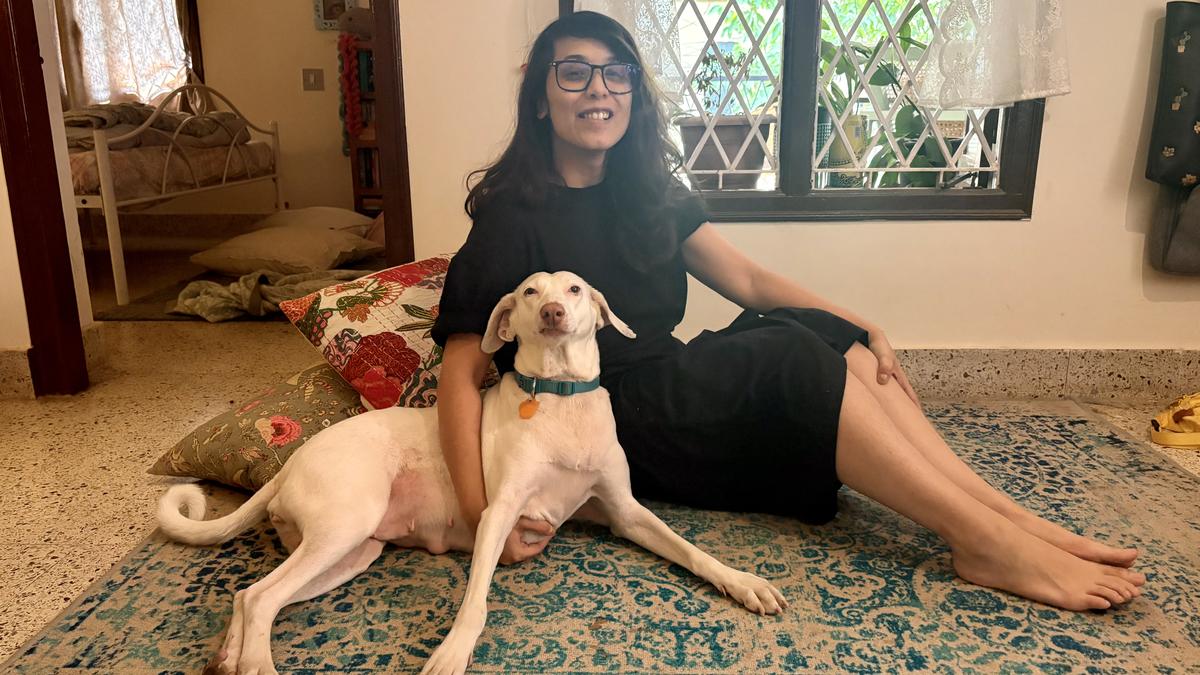
It was in January this year that 36-year-old Meghna Chaudhury, training to be a therapist, decided to open up her home in Indiranagar, Bengaluru, to women and non-binary people, to work, paint, sleep, read, and more importantly, do nothing, if they so wished. Her post about this ‘No Agenda Space’ blew up on social media, and in just a day, 20-30 women had reached out to Chaudhury asking if they could use the space.
The idea for this initiative sparked from an unexpected afternoon of “non-talking companionship” between three of her friends, who were strangers to each other, and happened to come over on the same day in mid-January. Women existing in each other’s company without any expectations, or labour demands, made Chaudhury aware of the lack of such spaces. So, she created one.
“I named it No Agenda Space because it’s just that — a third space that isn’t their home or workplace and doesn’t demand anything, not even a conversation, from anyone who identifies as a woman,” she says. “This space is completely anti-performative small talk. But it’s often expected of women. I wanted to create a space where they can just exist.” Chaudhury’s two-bedroom apartment is open to strangers five days a week from noon to 4:30 p.m., after prior registration online. People are free to use her WiFi, grab snacks from the kitchen or even prepare something for themselves.
Starting this month, she is asking for a contribution of ₹80 per head to cover costs like electricity, water and so on. For safety reasons, Chaudhury has made it mandatory for people to bring an identity proof. She also ensures there are two or three women visiting at the same time. Her dog, Millie, is often a participant at these sessions and can be found cuddling up with a stranger or taking a snooze with another.
One thing Chaudhury is clear about: there will be no hosting. “It’s my rejection of the idea of a woman having to host. I don’t want the responsibility of catering to other people’s needs in my own home. I am tired of that,” she explains.
Increasingly, across India, many people like Chaudhury live in the shadows of urban loneliness and find it exhausting to maintain adult friendships. There is also the constant labour that women, especially, have to do in any space. Be it physical or emotional, something is always asked of their presence. “Among all these responsibilities, you don’t get time for yourself. So, sometimes leisure is just sleeping without answering five phone calls from your children, partner or colleague,” says Chaudhury.


CPI-M accepts DMK's five-seat offer for Tamil Nadu Assembly elections, prioritizing INDIA bloc unity over seat demands.

Ricky Rai, son of former underworld operative Muthappa Rai, on Monday appeared before the Bengaluru Traffic Police for questioning in connection with a case involving a Lamborghini performing dangerous stunts at Anil Kumble Circle on March 21.

The Dispur election heats up as 'CongBJP' defections shape a high-stakes contest between veteran candidates from BJP and Congress.

Bengaluru's M. Chinnaswamy Stadium conducts readiness drill ahead of IPL 2026, ensuring upgrades and technical preparations are complete.

First-level randomisation of EVMs completed in Nagapattinam for upcoming elections, ensuring transparency and security.

A district-level committee in Krishnagiri has been formed to assess and verify seizure claims of goods and cash.

Minister Anam Ramanarayana Reddy pledges government support for local fishermen and farmers facing challenges in Andhra Pradesh.

MP M. Sribharat urges collective efforts to revive Visakhapatnam Steel Plant, highlighting key reforms for crucial recovery and growth.

141 candidates have filed nominations for Kozhikode's Assembly elections, with scrutiny on March 24 and campaigning intensifying.

BJP's Vijayendra accuses Congress of using money to influence Bagalkot bypolls, urging voters to reject their tactics.

First randomization of electronic voting machines completed in Tirunelveli and Tenkasi districts for upcoming Assembly elections.

RPF seizes 10.12 kg of unclaimed cannabis worth ₹5.06 lakh from a train in Mangaluru.

Kolar's groundwater levels rise to 50-100 ft due to the K.C. Valley project, ensuring clean water and improved health outcomes.