N.B. Power, U.S. company pick Tantramar site for natural gas plant
CBC
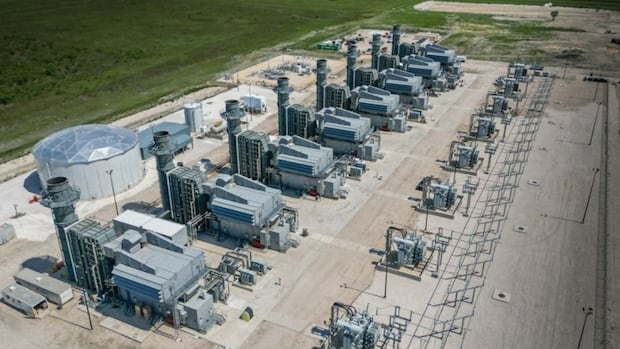
N.B. Power has changed the location of a proposed natural gas plant it wants to see built in southeast New Brunswick, opting for a remote location in the Tantramar area instead of a site in Scoudouc.
The plant would begin operating in 2028 and would be able to generate 500 megawatts of electricity, most of it to meet growing demand caused by population growth.
It would also emit greenhouse gases, though N.B. Power said last year there would be a net reduction in emissions provincially because the new plant would provide backup generation for an increasing share of wind and solar energy on the grid.
"Today, for example, there's 400 megawatts of installed wind energy in New Brunswick and only about 40 megawatts is producing electricity," Brad Coady, N.B. Power's vice-president of business development, said in an interview.
"What we're looking for is nimble machines that can come on, come on quickly and only stay on as long as is needed to integrate that wind energy. It'll fill in the voids when the wind isn't there and the sun isn't there."
The plant would be built by Missouri-based ProEnergy and operated by its subsidiary, Rigs Energy Atlantic, which includes a minority equity investment from the North Shore Mi'kmaq Tribal Council made up of seven First Nations.
John MacIsaac, who is heading the project for private developer ProEnergy Canada, said the plant will allow N.B. Power to reduce its overall greenhouse gas emissions by 250,000 tonnes a year.
The 20-hectare site is in Centre Village, along Route 940, within the municipality of Tantramar.
It's where the Maritimes and Northeast natural gas pipeline crosses paths with an N.B. Power transmission line.
The plant would draw gas from that pipeline to run 10 turbines that would generate power to sell on the grid under a 25-year purchase agreement.
The assessment submission says the Tantramar site was chosen after consultations with the Mi'kmaw council, which said there would be fewer environmental impacts than at the Scoudouc site.
If the plant is approved, preliminary work would start in early 2026, and it would be operating by the third quarter of 2028.
MacIsaac said his figure of a 250,000-tonne net reduction in N.B. Power's greenhouse gas emissions came from ProEnergy's discussions with the utility.
A utility spokesperson gave that figure last year and said the reduction would come from avoiding the use of coal at the Belledune generation station and fuel oil at Coleson Cove — both of which emit more carbon dioxide — to back up renewables.


The government of Saskatchewan has announced plans to reduce the length of non-resident game bird hunting licences to combat illegal guiding.

An 87-year-old Alberta man is fighting extradition to the United Kingdom to stand trial for historical allegations of physical and sexual assault involving minors.

Eight casinos across southwest B.C. have been sold to First Nations in the last two years, with the province's gambling scene set to be reshaped as a result.

Hamilton hosts the Junos Sunday, and the musical awards show is bringing tourists, musicians, concerts and a ton of themed events to the city this week.

The multi-million-dollar deal at the heart of a high-profile fight between the Canadian government and one of the world’s biggest carmakers contains multiple clauses about the company’s footprint in Ontario, according to a copy obtained by CBC Windsor.

In recent months, Calgary police have carried out three day-long safety blitzes, parading out dozens of officers to flood an area with their increased presence — at least, temporarily.

A national organization is seeking people with experience in Canada's forestry sector as they put together a working group that will examine ways to improve forest recovery following wildfires.

Ella Heyder is bracing for a breakup, even though she already moved out decades ago.

Shawne Hopkins never saw it coming.

Politicians return to Queen’s Park Monday for a shortened spring session, as Premier Doug Ford prepares to unveil his eight budget amid heightened global economic uncertainty.

Despite a recent announcement that a water supply pipeline will be build in Oneida Nation of the Thames, some members of the community say that's no excuse for taking water for granted.

As scandal has swirled around former prince Andrew Mountbatten-Windsor, questions and curiosity have also focused on his ex-wife, Sarah Ferguson, and their daughters, Princesses Beatrice and Eugenie.

Friday may have been the first day of spring, but winter storms are not over yet for Newfoundland.