Mathematical rule found to have shaped bird beaks for 200 million years
The Hindu
Discover the hidden mathematical rule governing the growth and shape of bird and dinosaur beaks in nature.
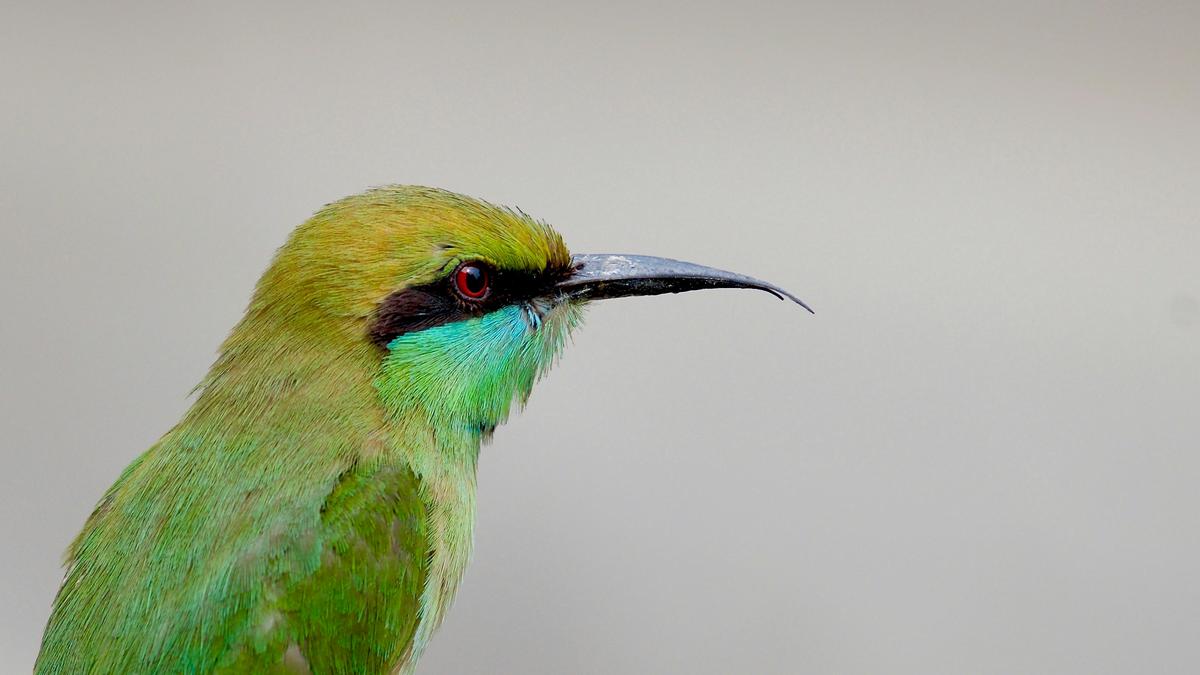
Bird beaks come in almost every shape and size – from the straw-like beak of a hummingbird to the slicing, knife-like beak of an eagle.
We have found, however, that this incredible diversity is underpinned by a hidden mathematical rule that governs the growth and shape of beaks in nearly all living birds.
What’s more, this rule even describes beak shape in the long-gone ancestors of birds – the dinosaurs. We are excited to share our findings, now published in the journal iScience.
By studying beaks in light of this mathematical rule, we can understand how the faces of birds and other dinosaurs evolved over 200 million years. We can also find out why, in rare instances, these rules can be broken.
Finding universal rules in biology is rare and difficult – there seem to be few instances where physical laws are so pervasive across all organisms.
But when we do find a rule, it’s a powerful way to explain the patterns we see in nature. Our team previously discovered a new rule of biology that explains the shape and growth of many pointed structures, including teeth, horns, hooves, shells and, of course, beaks.
This simple mathematical rule captures how the width of a pointed structure, like a beak, expands from the tip to the base. We call this rule the “power cascade”.


CCB arrests three drug peddlers in Mangaluru, seizing ₹2.5 lakh worth of MDMA and other valuables.

TVK's 28 candidates in Puducherry include former BJP MLAs, a sitting Independent, and a retired police IG.

BRS submits notice on private member bill to Speaker

CPI-M accepts DMK's five-seat offer for Tamil Nadu Assembly elections, prioritizing INDIA bloc unity over seat demands.

Ricky Rai, son of former underworld operative Muthappa Rai, on Monday appeared before the Bengaluru Traffic Police for questioning in connection with a case involving a Lamborghini performing dangerous stunts at Anil Kumble Circle on March 21.

The Dispur election heats up as 'CongBJP' defections shape a high-stakes contest between veteran candidates from BJP and Congress.

Bengaluru's M. Chinnaswamy Stadium conducts readiness drill ahead of IPL 2026, ensuring upgrades and technical preparations are complete.

First-level randomisation of EVMs completed in Nagapattinam for upcoming elections, ensuring transparency and security.

A district-level committee in Krishnagiri has been formed to assess and verify seizure claims of goods and cash.

Minister Anam Ramanarayana Reddy pledges government support for local fishermen and farmers facing challenges in Andhra Pradesh.

MP M. Sribharat urges collective efforts to revive Visakhapatnam Steel Plant, highlighting key reforms for crucial recovery and growth.

141 candidates have filed nominations for Kozhikode's Assembly elections, with scrutiny on March 24 and campaigning intensifying.

BJP's Vijayendra accuses Congress of using money to influence Bagalkot bypolls, urging voters to reject their tactics.